SinopseSynopsis
Algarsul, Vilamoura · 1994–2024 · de geração em geraçãoAlgarsul, Vilamoura · 1994–2024 · from generation to generation
ALGARSUL, VILAMOURA
“de geração em geração” ou “um edifício com alma” · por Carlos Quintas
Que também nos conta uma história – tantas histórias! - e nos evoca tantas emoções já vividas. Por 30 anos rumamos ao sul, à procura desse local solarengo onde se sonhou e concretizou uma nova oportunidade de reencontro entre as nossas famílias com gentes locais, com o mar e com a natureza. Vilamoura reserva-nos ainda hoje esse mistério de campo e de ambiente rural, da vida local antepassada com os seus vestígios romanos, mas também nos mostra as marcas equilibradas do seu crescente cosmopolitismo sem, contudo, prejudicar a sua própria identidade.
É nesta integração que reside ainda hoje perante os nossos olhos muito do seu fascínio. É por isso que ainda hoje Vilamoura é o “Sítio”, o verdadeiro, no Algarve, onde melhor se conjugou o desejo de progresso sem abdicar, contudo, das suas raízes e da sua identidade. Há razões para crer que esta magia teve por origem a obra humana do seu fundador Cupertino de Miranda, mas sobretudo do seu organizador do território, o Professor Costa Lobo. Sem eles, sem este momento, sem este encontro, Vilamoura seria hoje mais o perigo que a felicidade, mais a especulação do atropelo imobiliário do que a tranquilidade da sua vivência excecional, mais a ansiedade que o conforto.
Existe em nós um sentimento de muita ansiedade quando a deixamos a cada final de estação: será idêntica daqui a um ano? Mas lá se vai aguentando apesar do que se conhece e se vai ouvindo. Neste contexto, uma vivência familiar é uma realidade extraordinária que deve ser preservada e cultivada. Não se trata de progresso, mas de bem-estar. Não se trata de egoísmo, mas de uma solidariedade com as gentes locais que sabe bem reencontrar cada ano. É o povo de Quarteira a saborear o pôr-do-sol, os vendedores eternos do mercado do peixe, os trabalhadores dos correios, de alguns restaurantes, dos seus jardineiros e das vendedoras de laranjas.
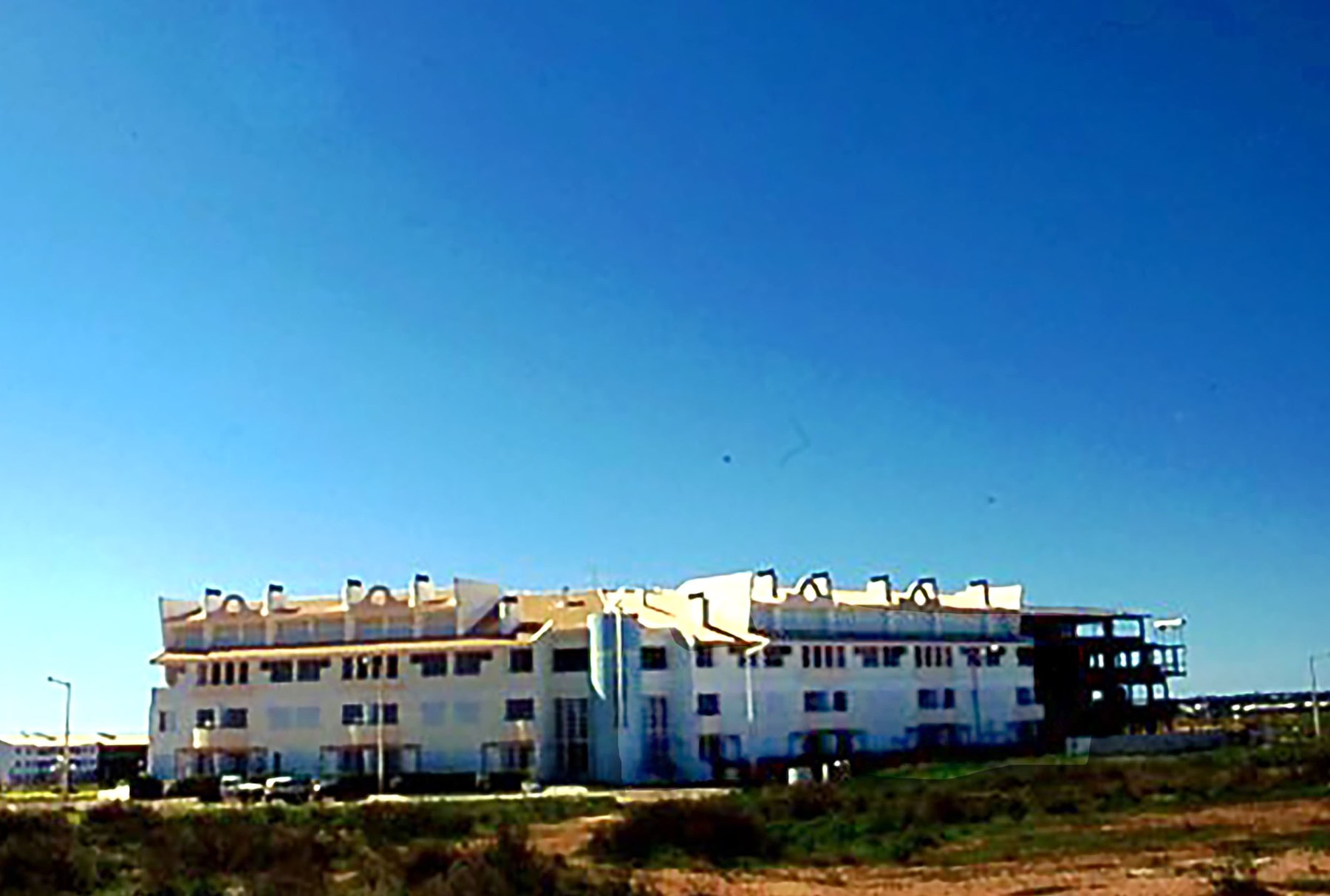
Do extremo de Quarteira ao extremo de Vilamoura, de um lado ao outro, é uma Q geografia regeneradora. É claro que também no seu seio teria de cair aquele bizarro folclore do turista alcoólico, mas Vilamoura – muito mais do que nos habituámos a ver do que naquilo que a querem transformar – mantémse decente apesar do ruído e da gritaria que se entendeu por catarse dos tempos modernos. É melhor para esses irem antes para o campo a dar pontapés nas pedras e que deixem os veleiros dormir. Ao mesmo tempo, imbuídos deste profundo sentimento humano, poderemos dizer que o programa arquitetónico da Algarsul que nos espera desafiou, no melhor sentido, as práticas convencionais da arquitetura local, não destruindo, mas integrando, apresentando um programa pós-moderno dos gloriosos tempos dos finais dos Anos 80 a par do pioneirismo do Old Village - o seu irmão na criatividade.
Aqui um repositório da arquitetura palaciana e vitoriana com as reminiscências locais, mas connosco é a beleza da aventura de um cruzeiro do que se trata. Neste contexto, é importante perceber a arquitetura desenhada pelo Arquiteto José Afonso. Sem dúvida, desde logo, na beleza da sua complexidade interior e na contradição visível das suas formas curvas e pela assimetria que nos sugere. As cores e as texturas não estão aparentemente relacionadas com a estrutura ou função de férias usual de um edifício do Algarve. Há aqui algo diferente.
Há aqui irreverência e vida. Uma estrutura complexa por adotar a solução X para os apartamentos a´s e b´s, uma solução em Z para os apartamentos e´s e a forma Y dos apartamentos c e d´s. XYZ são, pois, as coordenadas rigorosas da matemática e da mestria na organização do nosso território interior. Vemos ainda o recurso a diferentes materiais e também a diversos estilos integrados, de forma eclética, mas sempre com base numa ideia que nos quer transportar a um cruzeiro – o seu motivo condutor, o leitmotiv -, a sua alma.
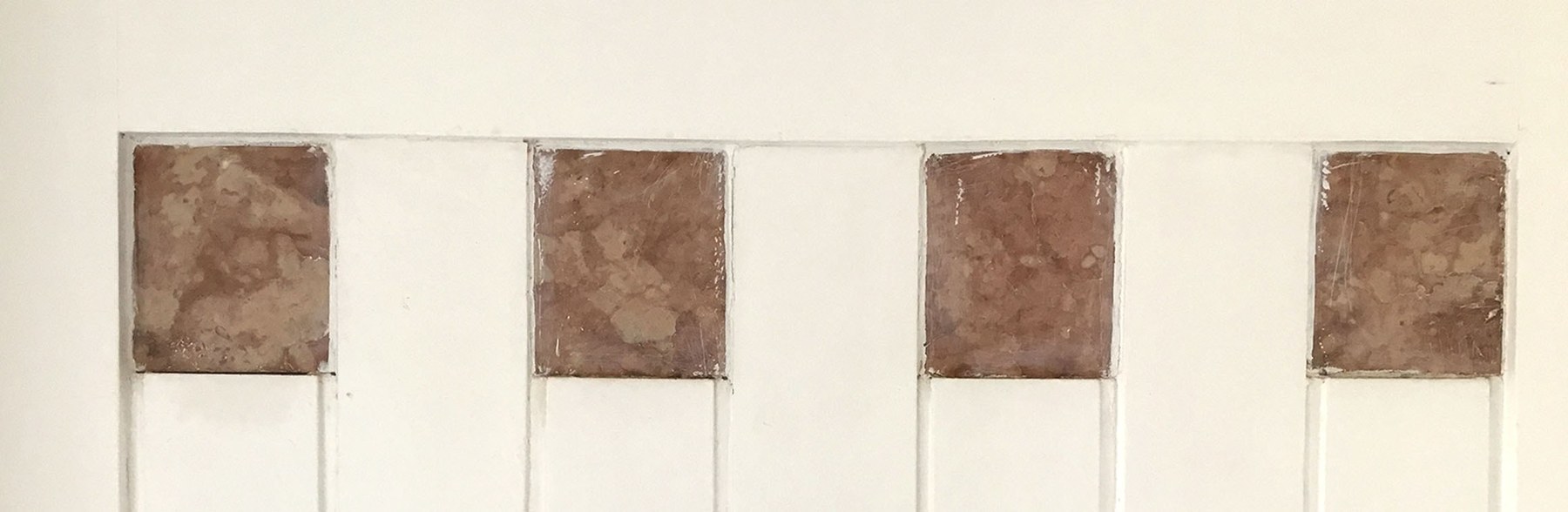
As linhas diagonais exteriores fazem-nos lembrar velas. Os materiais diversos utilizados, como o vidro na garagem, a cerâmica nas varandas, a pedra na fachada, o metal nas chaminés de navios e nos corrimões, todos sustentam este deslumbramento pela novidade. Infelizmente, perdeu-se a madeira que revestia os plafonds interiores das platibandas. As portas pós-modernas – sempre polémicas, mesmo na atualidade – são também em si contraditórias e até provocatórias, mas bem ao gosto do movimento, com os seus blocos de pedra embutidos na madeira.
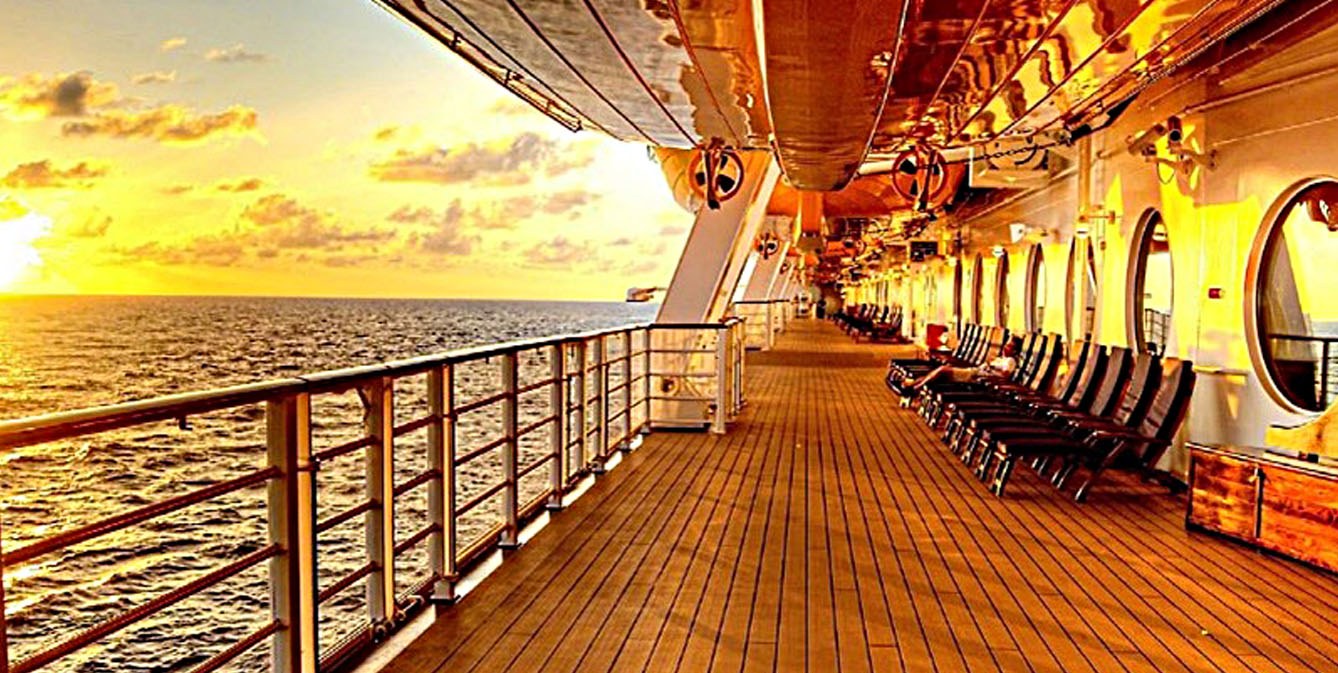
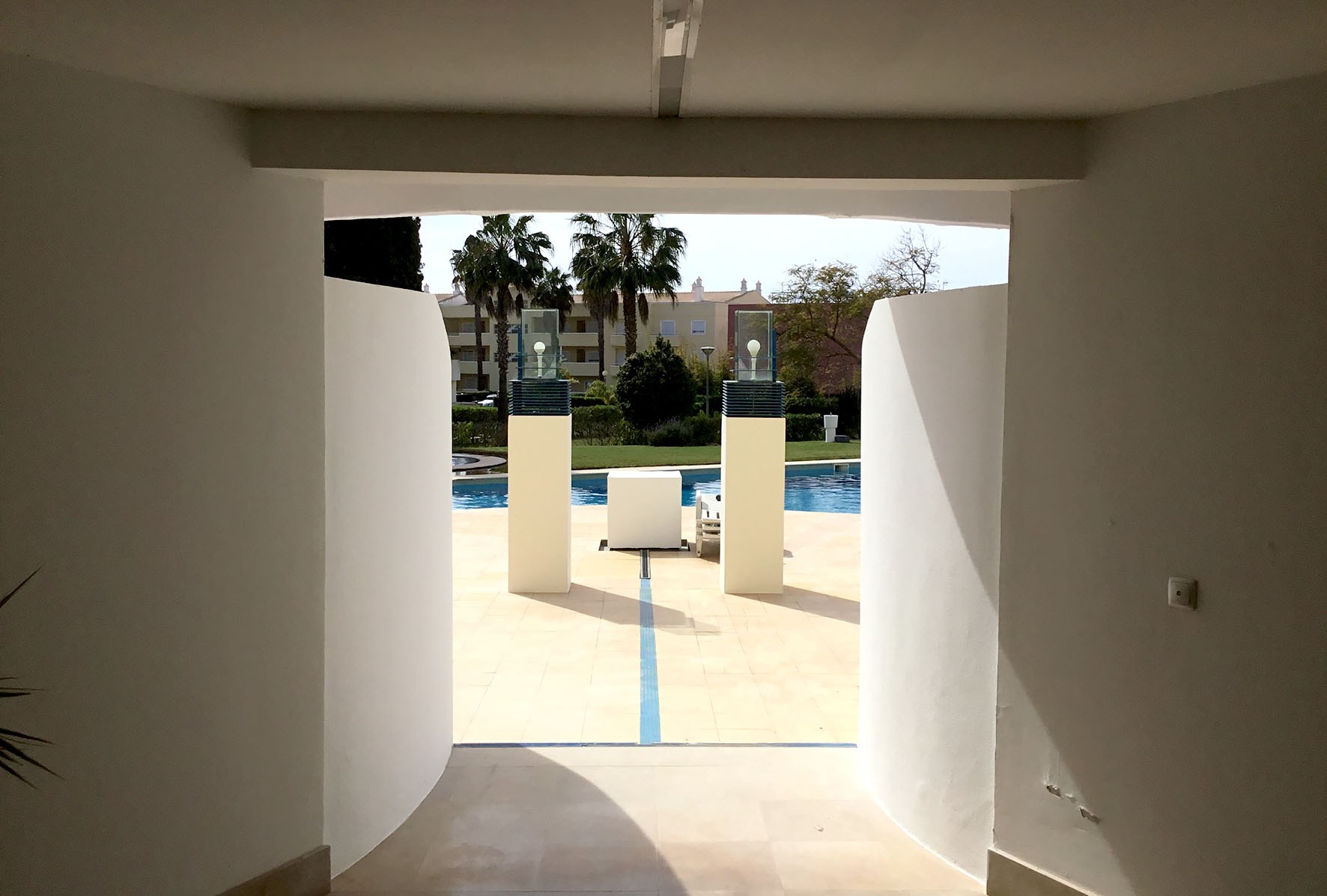
Uma clara ironia a que infelizmente a falta de precisão deixou evidenciar alguma imperfeição. Ficou o mérito da ideia. Depois temos ainda a sua cor cinzenta a marcar ainda o edifício, aqui e ali, como nas portinholas dos contadores e nos portões – uma imagem pós-industrial -, mas sem dúvida que neste contexto sublinhando a vivacidade da fachada que se opõe frontalmente à interpretação modernista dos tempos anteriores desta arquitetura. Mas deixo ainda uns apontamentos pessoais: ver o navio do mar, como quem diz, ver a partir da piscina as suas chaminés, ou ver a proa do navio desde o interior do apartamento ou suite; ou passear pelo magnífico corredor à Le Corbusier que faz a base da letra Z para os apartamentos e´s.
Um projeto híbrido na conceção, como lhe competia, pleno de juventude, mas em compromisso de vanguarda com os seus tempos, que satisfaz ainda hoje as nossas necessidades de variedade, comunicação e fantasia. E irá continuar a fazêlo! Mesmo quando chegamos o que vemos é a sua vegetação de ciprestes europeus, palmeiras milenares de África ou de jacarandás subtropicais americanos. Em suma, uma viagem plena de otimismo ao encontro de umas férias felizes e que já fazemos há 30 anos! Todo um mundo à nossa espera! Um agradecimento desde logo merecido aos Fundadores da Algarsul!
Bem hajam!
EDIFÍCIO ALGARSUL EM VILAMOURA E.A.V.
Sinopse histórica · por Francisco Carvalho
Nota Prévia
Foi-me pedido pelo atual Administrador do Condomínio do Edifício Algarsul em Vilamoura (E.A.V.), o Dr. Carlos Quintas, que elaborasse uma “Nota em duas folhas A4”, sobre a história da Cooperativa, instrumento organizacional que serviu de base para erigir aquele empreendimento, por altura da comemoração dos “30 Anos do E.A.V.”. A justificação do convite era porque, na minha qualidade de ex-Presidente da Direção da Algarcoop, Cooperativa de Construção e Habitação, CRL, cargo que se manteve durante toda a vida da extinta organização, poderia contribuir para dar a conhecer pormenores menos conhecidos desse passado, a uma parte dos condóminos e comproprietários, mormente, aos que mais recentemente adquiriram essa qualidade.
Apesar de já não ser proprietário da fração que me coube, o apartamento b2, por a ter doado à minha filha Susana, continuo ainda interessado em saber que o Projeto continua vivo com as novas gerações. Acabei por aceitar essa incumbência com uma certa relutância, por ser uma tarefa muito difícil para mim reproduzir em poucas linhas todo o desenrolar das várias fases, desde a ideia inicial do Grupo, da constituição da Cooperativa até à concretização do Projeto. Apesar disso, tentarei apresentar um resumo fatual, recorrendo a documentação que ainda encontrei, e cujos originais devem estar arquivados na denominada Sala de Condóminos do Edifício Algarsul.
Juntarei a esta Nota alguns anexos, os quais proporcionarão o apoio documental, onde poder-se-á encontrar a informação mais pormenorizada de todo o processo. O E.A.V., com o andar dos tempos, tem passado por um processo menos bom, em que o Condomínio sofreu uma gradual deterioração, estando agora, graças à dedicada coordenação do atual Administrador principal, em estreita colaboração com o Arquiteto José Afonso, este na qualidade de condómino mas, principalmente, por ter participado na elaboração do Projeto de Arquitetura, conforme foi bem realçado pelo condómino Dr.
Rui Baptista, na sequência da realização da Assembleia Geral de 10 de fevereiro último, “em que foi demonstrado o esforço que tem sido desenvolvido para que o Edifício Algarsul volte a ter um aspeto digno que satisfaça todos os condóminos e, como muito bem foi salientado na reunião, valorize o património de cada um”. Assim sendo, nesta breve Nota que acabou por ser um pouco mais desenvolvida, darei conta da formação do Grupo Fundador, de como se organizou, das diligências para a Constituição da Algarsul, da aquisição do terreno no local desejado para a construção do Empreendimento, da elaboração e dos trâmites por que passou o Projeto de Arquitetura, da adjudicação à empresa de construção, da condução da obra e, finalmente, a entrega do E.A.V.
aos cooperadores que aceitaram participar neste Projeto. Um repto fica lançado, desde já, a quem possa e queira abalançar-se numa historiografia mais alargada do E.A.V., compulsando a relevante documentação que se encontra nos arquivos da denominada Sala de Condóminos do Condomínio. E, dada a especificidade e originalidade do Projeto, porque não uma tese de mestrado? Começo, então, pelo princípio:
Grupo Fundador
A história começou, em 1986, por uma lista de pessoas ligadas a empresas a operar em Angola, na Indústria Petrolífera e outras ligadas a anteriores empreendimentos no Algarve, que o Eng.º Augusto Meireles encabeçava e em que, mais tarde, outras pessoas interessadas aderiram ao Projeto. O interesse prioritário desse Grupo era investir na construção de um Complexo Habitacional no Algarve. O denominado “Projeto A”, como será definido à frente, devia ser o projeto prioritário para levar a cabo.
Constituição da Algarcoop
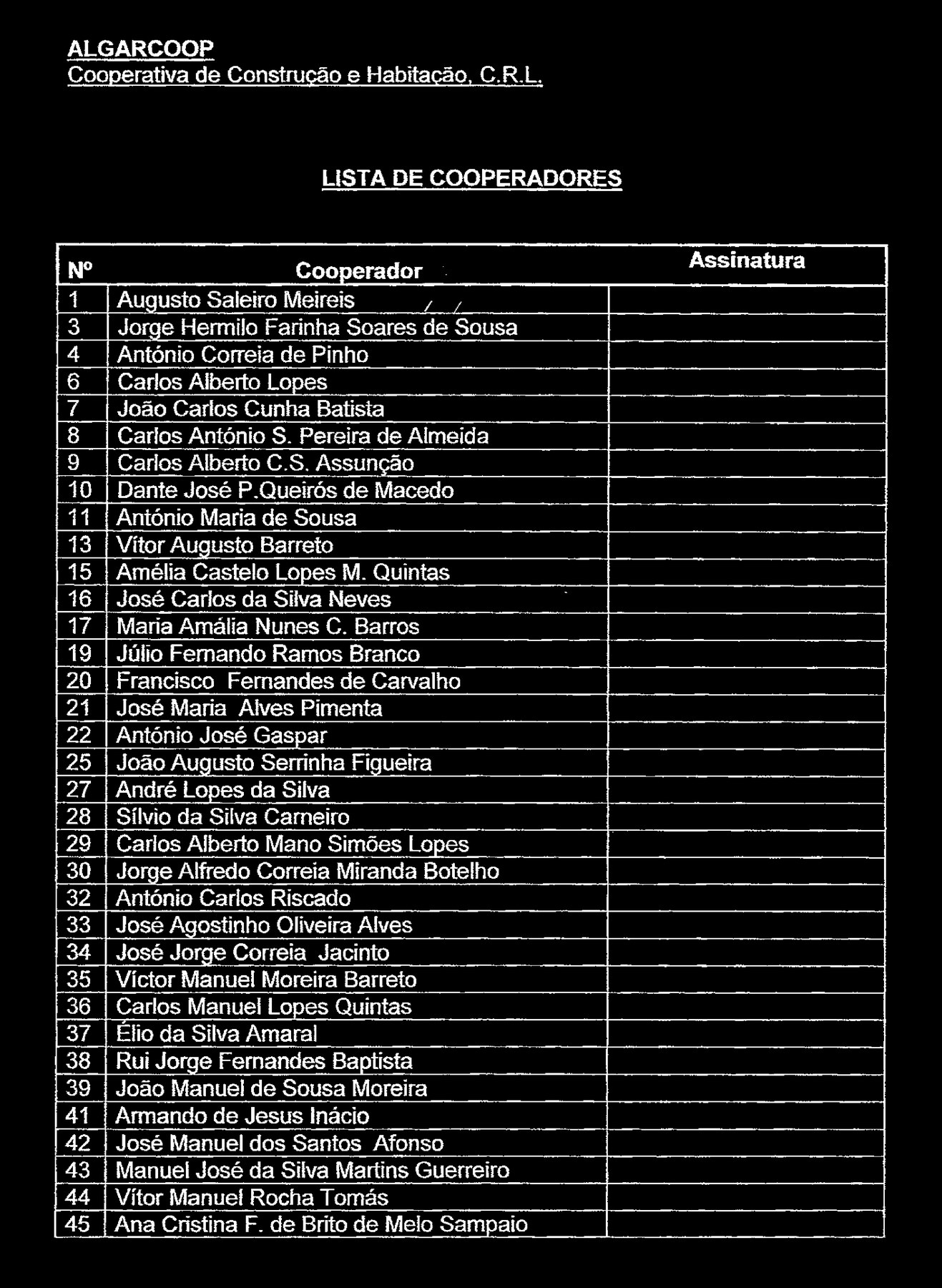
Na primeira reunião do Grupo, foram indigitados o Dr. Correia de Pinho e eu próprio, para dar seguimento ao Projeto. Começou-se por dar corpo formal ao Grupo. Considerou-se que a melhor forma seria a constituição de uma Cooperativa. Foram encetados os contactos na Fundação António Sérgio, entidade que coordenava a formação de cooperativas na altura, também na Conservatória de Registo Comercial, para obtenção do Registo Nacional de Pessoa Coletiva, em março de 1987 e entre várias denominações possíveis escolheu-se a de Algarcoop, Cooperativa de Construção Habitação, C.R.L.
A primeira reunião da Assembleia da Cooperativa teve lugar em 24 de Agosto de 1987, em Queluz, na casa do Eng.º Meireis. A Ordem de Trabalhos incluía a aprovação dos Estatutos, a nomeação dos Corpos Gerentes para o biénio 1987-1988 e outros assuntos relativos ao prosseguimento do Projeto. Foi no dia 27 de outubro de 1987 no 10º Cartório Notarial de Lisboa, que compareceram os dez elementos do Grupo que se disponibilizaram, necessários para formalizar a constituição da mesma. Seguiram-se os trâmites legais com a publicação no Diário da República, III Série, de 21-12-1987 e no diário A Capital de 23 de dezembro de 1987.
A Direção eleita apresentou em 31 de outubro de 1987 o denominado “Plano de Atividades e Orçamento para o ano de 1988”, no qual se delineava já o denominado “Projeto A”, com as características que vieram a resultar no E.A.V.. Citando, “Tratava-se de levar a cabo a construção de habitação tipo T2/T3, com área útil da ordem dos 100-120 m2, em blocos de 2/3 pisos, num lote de terreno ideal para cerca de 30 fogos e em que estariam previstas áreas de lazer (com piscinas e campo de jogos) em espaços verdes do condomínio”. Desde o início, o Grupo de interessados, maioritariamente, manifestou a sua preferência para que este empreendimento fosse realizado no Algarve e, caso possível, na Urbanização de Vilamoura”.
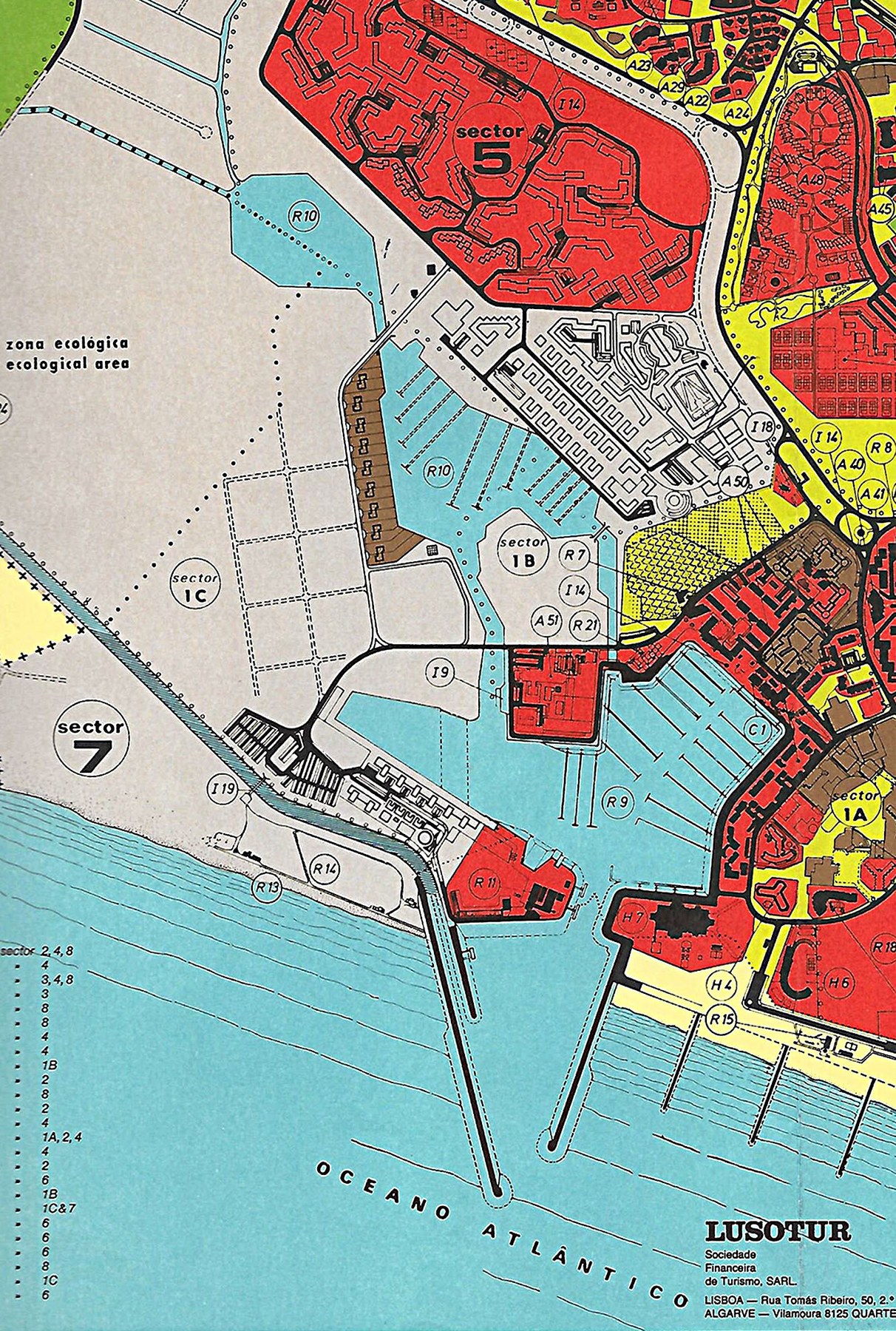
Foram, então, encetadas várias diligências, junto da Lusotur, para a aquisição de terreno num dos lotes da Urbanização de Vilamoura. Foinos, no entanto, informado que não dispunham nessa altura de lotes à venda, mas que, a breve trecho, iriam disponibilizar lotes no Sector do Golfe 3, o que não se veio a verificar em tempo útil. As subsequentes reuniões da Algarcoop passaram a ser realizadas, então, no atelier dos Arquitetos Dante Macedo e José Afonso, localizado ainda na Rua da Conceição da Glória, aos Restauradores, o qual nos foi gentilmente cedido para o efeito.
Enquanto se aguardavam resultados das diligências junto da Lusotur, em meados de março de 1988, uma delegação do Grupo conduzido por mim, em que faziam parte o Arq.º Dante Macedo, o Eng.º Jorge Botelho, e o Comte. Simões Lopes, encontrou-se com um promotor imobiliário, o Coronel Paula, para, durante dois dias, visitar vários terrenos que ele tinha em carteira, no litoral algarvio. Além de preços muito inflacionados, já nessa altura, nenhum reunia condições para satisfazer as intenções maioritárias do Grupo. Aquisição do Lote de Terreno em Vilamoura Posteriormente àquela tentativa, em meados de 1988, surgiu uma oportunidade num anúncio de venda de lotes no Sector 5.1, na Urbanização de Vilamoura, através da Compave, Sociedade de Compra e Administração e Venda de Propriedades S.
A., empresa que detinha o direito de comercialização desse sector, em nome da Lusotur. Foi então que, acompanhado pelo Dr. André Lopes da Silva, entrámos em contato com aquela sociedade para sabermos da tipologia dos lotes e as condições de aquisição. E, foi a partir daí que se negociou a compra do lote 15-3 B e 72,95% do sub-lote 15-3C (logradouro comum ao lote contíguo). A assinatura do contrato de Compra e Venda com a COMPAVE teve lugar em finais de outubro de 1988 (ver anexo 8). O Preço negociado de 86.000 Contos, incluía o projeto de arquitetura, a apresentar pelo seu Gabinete de Projetos.
As condições de pagamentos foram faseadas em três prestações e, para o efeito, foi requerido aos cooperadores interessados no Empreendimento de acordo com a Lista de Ordem, uma chamada de fundos, a qual, de forma atempada, garantiria a necessária cobertura financeira.
Projecto de Arquitectura
Quando nos foi apresentado o esquiço do Projeto de Arquitetura da Compave, verificámos que ele não servia ao grupo pois o Edifício teria um corredor central e dos 30 apartamentos (rés-do-chão, primeiro andar), metade ficariam com frente para a rua e outra metade para as traseiras. Isto iria ser rejeitado pela generalidade dos cooperadores interessados no Projeto. Assim, para resolver a questão, surgiu entre nós, o Dr. António Pinho e eu próprio, a ideia dos duplexes, com o cruzamento através das escadas. Ideia que foi posteriormente desenvolvida pelo nosso Gabinete de Arquitetos, em que os apartamentos A, B, e C, com rés-do-chão e primeiro andar, teriam uma parte dos mesmos virada para a rua e outra parte com vista para zona da piscina e, para completar os trinta fogos, criou-se um 2º andar com as penthouse, os apartamentos D e E., com aumento da cércea a ser contemplada.
Na Memória Descritiva e Justificativa do Projeto de Licenciamento apresentado à Lusotur em 26 de julho de 1990, já se dava conta das dificuldades que se apresentavam aos projetistas, devido a erros na implantação do lote, “criando a necessidade de adicionarem parqueamento ao nível da cave”. Acrescentava que a “solução adotada foi estudada em diálogo constante com os técnicos da Compave – Projectos de Arquitectura e Engenharia- SA, devendo-se o desenvolvimento deste tipo de projeto à necessidade de uma adaptação tipológica e organização espaço-funcional similar para todos os fogos pela imposição e caracterização da Cooperativa Algarcoop”.
O Projeto de Licenciamento foi aprovado pela Lusotur e submetido, posteriormente, à Câmara Municipal de Loulé em agosto de 1990, o qual só viria a ser aprovado em 13 de fevereiro de 1991! Os Projetos Complementares só puderam ser entregues em maio de 1991, para serem finalmente aprovados em 17 de julho desse ano. A propósito, o nosso projeto de arquitetura foi posteriormente adotado no prédio do lote contíguo. É de registar também, que o nosso lote, veio a ser o primeiro a ser edificado no sector 5.1 da Urbanização de Vilamoura.
Concurso para o Empreiteiro
Entretanto, para ganhar tempo, a Direção decidiu avançar com o lançamento do Concurso Limitado para a escolha do Empreiteiro. Depois de uma consulta à Praça para uma pré-qualificação das empresas, foram enviadas cartas-convite a nove Empresas idóneas de Construção Civil, em 6 de junho de 1991. Das empresas convidadas, recebemos sete propostas. Na altura da abertura das propostas, os preços globais apresentados, variavam entre 343.000 contos e 364.000 contos, os quais excediam as nossas previsões orçamentais. Após uma análise comparativa das propostas, deliberou-se selecionar 3 ou 4 das empresas com melhores condições técnico-económicas e prazos de execução, passando-se a uma denominada “consulta de 2ª fase”.
Com o apoio dos Arquitetos do Grupo preparou-se uma lista de artigos que poderiam ser retirados e/ou alterados no Caderno de Encargos, no sentido de fazer baixar o custo, sem, contudo, reduzir significativamente a qualidade do Projeto. Como resultado, foram selecionadas quatro empresas, as quais apresentaram “Propostas Complementares”, mas os preços globais só refletiam uma redução, resultante dos artigos retirados e, não a uma redução à custa das empresas. Por isso, a Direcção requereu então a convocação de uma Assembleia Geral Extraordinária, realizada em 12 de outubro de 1991, para dar a conhecer aos cooperadores interessados no Projeto a situação e auscultar opiniões.
Foi então contratado um técnico, o Eng.º Cardoso Pereira, conhecedor desta atividade no mercado algarvio. Foram contactadas duas empresas, uma da Quarteira (Habipro) e outra em Albufeira (Tempera Filipe) que forneceram preços não muito diferentes dos das empresas na 2ª fase. Os contactos prosseguiram com as duas empresas melhores classificadas naquela fase e com as empresas a operar no Algarve. Foi nessa altura que surgiu, recomendada pelo cooperador Dr. Élio Amaral, a Empresa Castro e Marcelino, Lda. (CAMAPE), de Aveiro que, apesar de não estar a trabalhar no Algarve, mas em que se obteve prévia informação abonatória da idoneidade e capacidade necessárias, acabou por ser incluída na consulta subsequente.
E, foi esta empresa que nos apresentou a melhor proposta e, à qual se entregou a execução do Projeto. O Preço Global a que se chegou, depois de várias negociações, foi de 289.550 Contos. A Carta de Adjudicação datada de 15 de janeiro de 1992, foi o documento vinculativo até à assinatura do contrato. Pormenores sobre a complexa condução de todo este processo de seleção, no sentido de obter as melhores condições técnico-económicas, podem ser obtidos através da consulta dos documentos anteriormente referidos.
Execução do Projecto
A Licença de Construção veio a ser obtida e o arranque da obra teve lugar em 28 de janeiro de 1992. Foi contratado um Fiscal da Obra, o qual recaiu no Arq.º Cunha Leão que residia no Algarve o qual, alegando razões pessoais, acabou por deixar de prestar essa colaboração a meio da obra. O Eng.º Jorge Botelho, membro da Direção da Algarcoop, estando disponível nessa altura, garantiu o seu acompanhamento. As Fundações e fase de Estrutura do Prédio, decorreram bastante bem, a um ritmo aceitável. Os pagamentos ao Empreiteiro, foram sendo efetuados à medida que a obra ia sendo realizada e de acordo com os Autos de Medição da Obra.
Na fase dos Acabamentos, o Empreiteiro, alegando problemas com o pessoal, pedia para avançarmos com mais um pagamento, o qual, estimávamos que ultrapassava o valor da obra já realizada. Nessa altura, foi criada uma situação muito difícil de gerir e, para garantirmos a finalização da obra, foi precisa muita capacidade de negociação. Entretanto, numa fase avançada da construção do Prédio, em que já havia a definição dos apartamentos, foi convocada uma Assembleia Geral Extraordinária, a qual teve lugar no Gabinete dos Arquitetos em Lisboa, em 14 de outubro de 1992, com vista à atribuição dos fogos.
Seguindo a Lista de Ordem anteriormente referida, foram sendo escolhidos os apartamentos, ficando distribuídos conforme a Lista de Atribuição dos Fogos, assinada por cada um no respetivo lugar. Com o terminar da obra, foi requerida em 09 de setembro de 1993, em nome da Algarcoop, o pedido à Câmara Municipal de Loulé para Vistoriar e Certificar o Prédio para efeitos da constituição da Propriedade Horizontal. O respetivo Auto de Vistoria teve lugar em 12 de novembro de 1993. O seu registo na Conservatória do Registo Predial e também nas Finanças, foi efetuado em 23 de março de 1994.
Foi realizada no 1º Cartório Notarial de Loulé a escritura da Constituição da Propriedade Horizontal do Prédio, com as frações autónomas que constituem o Bloco de Apartamentos descritas no Documento Complementar apenso. Por fim, foi o mesmo registado na Conservatória do Registo Predial de Loulé em 26 de maio de 1994.
Transmissão da Propriedade do EAV
A passagem legal da propriedade da ALGARCOOP do E.A.V., para cada um dos respetivos cooperadores, teve lugar também no 1º Cartório Notarial de Loulé, em 28 de julho de 1994. Para o efeito, foi requerida a passagem de uma procuração de todos os novos proprietários, em nome do Sr. António Maria de Sousa, o qual assinou por todos. Em representação da Algarcoop assinaram pela Direção, o Presidente (eu próprio), o Eng.º Jorge Botelho (Secretário) e o Tesoureiro, o Dr. André Lopes da Silva. De seguida, teve lugar a primeira reunião de Condóminos do então denominado Edifício Algarsul Vilamoura (E.A.V.), com uma Ordem de Trabalhos que incluía a nomeação da primeira Administração, a aprovação dos Estatutos e, a aprovação das Regras do Condomínio.
A eleição do primeiro Administrador, recaiu no condómino do apartamento a8, o Sr. Armando Inácio, para o biénio 1994-1995. Não quero acabar esta Nota sem dizer, não correndo nenhum risco de me enganar, que só foi possível levar a bom termo este Empreendimento, pela dedicação de alguns cooperadores, entre eles, na fase inicial, do Eng.º Augusto Meireis, do Dr. António Correia de Pinho e, depois, dos Arquitetos Dante Macedo e José Afonso, dos dirigentes das sucessivas Direções da ALGARCOOP, em particular, do Eng.º Jorge Botelho, do Dr.
André Lopes da Siva, do, na altura Comte, Alm. Jorge Jacinto, do Comte. Simões Lopes, Dr. Rui Baptista, da Sr.ª D. Amélia Quintas, vogal da última Direção e fiel depositária de todo o acervo de documentação Cooperativa, e, já agora, de mim próprio. E, na altura da transmissão da propriedade, como se disse, a disponibilidade do Sr. António Maria de Sousa. A ALGARCOOP continuou ainda por mais alguns anos a existir, mas, não se tendo encontrado outro projeto para avançar, acabou por ser extinta e a sua dissolução e a nomeação da Comissão Liquidatária teve lugar em 9 de maio de 2001, com a publicação do DR de 7 de Agosto de 2001.
Ficou o E.A.V.! Cabe agora aos seus comproprietários e condóminos atuais continuarem a mantê-lo com a qualidade que foi o desiderato daquele Grupo Fundador. Espero bem que assim seja.
Portela, 21 de fevereiro de 2024
ARQUITECTURA COLECTIVA: UMA COOPERATIVA
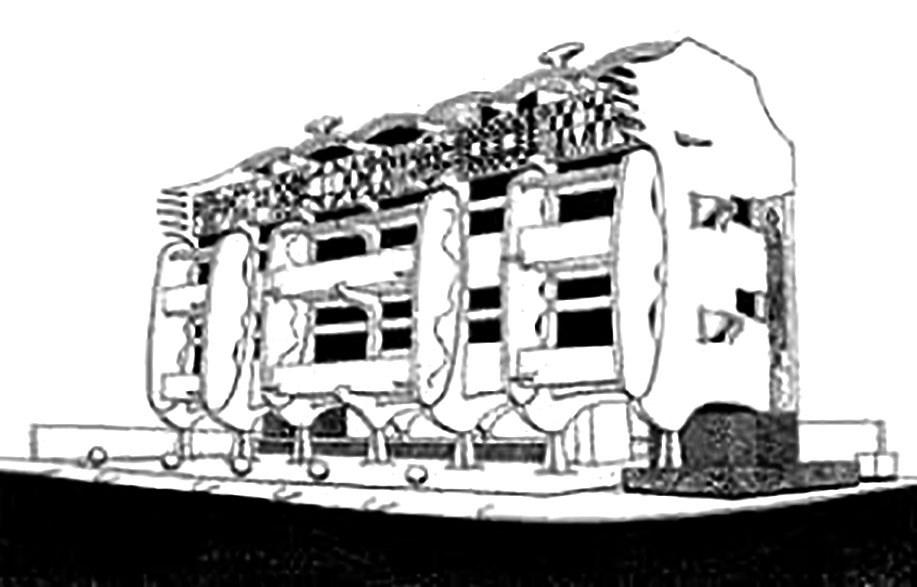
Uma Ideia Simplesmente Construída: Algarsul 1994 – 2024 · por José Afonso
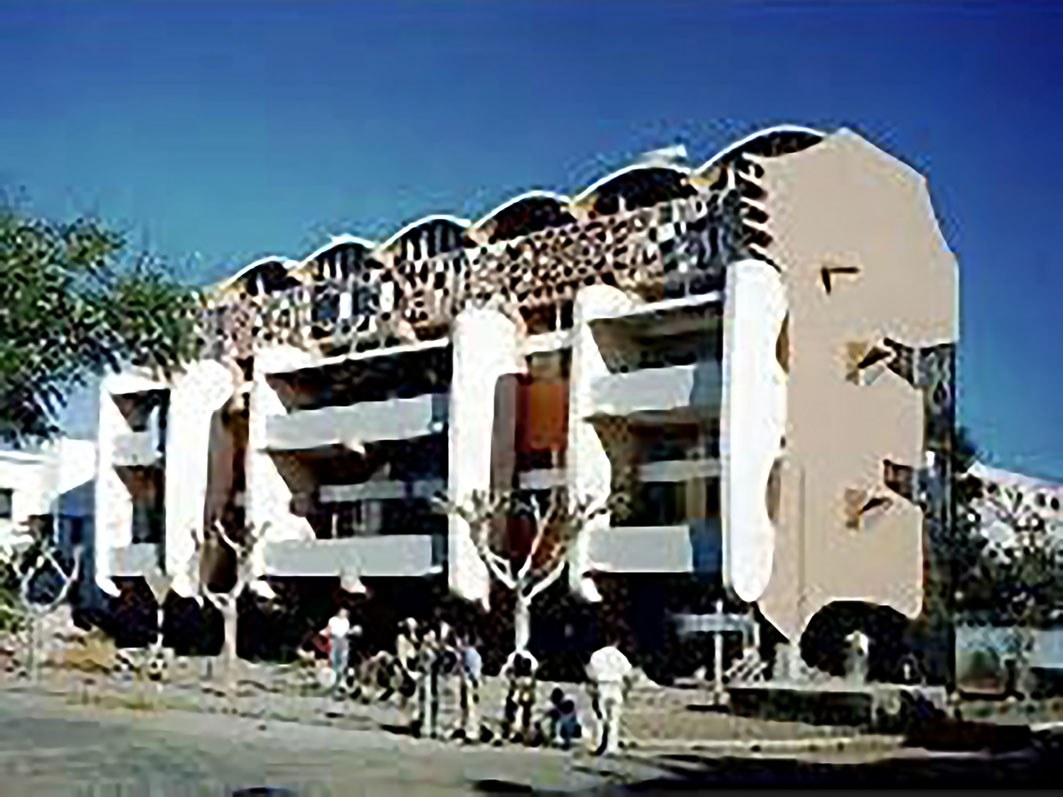
01. Algarsul - Um refúgio à beira-mar em Vilamoura Uma experiência como arquitecto fascinante: dialogar com trinta famílias durante muitas horas, muitos fins de semana e depois desenhar um projecto de arquitectura com uma execução exemplar, com detalhes únicos, numa linguagem arquitectónica pós-moderna - mas influenciada por alguns arquitectos modernos como Alvar Aalto e Sverre Fhen -, em Vilamoura, no Algarve (geometria, detalhe, cor, foram elementos essenciais do traço arquitectónico escolhido). Uma Arquitectura Silenciosa, cheia de formas, de cheios e de vazios, onde as superfícies se transformam em ondas do Oceano Atlântico, bem próximo, dando uma energia positiva a quem possa estar e viver nesta arquitectura e oferecendo felicidade a quem a utiliza.
Passados agora trinta anos de uma obra construída, com algumas camadas da palete cromática inicial, com nova vida e alegria para uns dias de verão bem passados ao sul do país onde o sol é mais quente, vamos poder revisitá-la. Ser arquitecto assim, onde a memória dos desenhos reflecte a realidade construída e ainda vivida saindo de uma base inicial e depois desenvolvida e participada por muitos no seio da Cooperativa, desde a sua concepção até 1994, a Arquitectura Colectiva Algarsul tem sido muito mais do que um simples projecto de arquitectura.
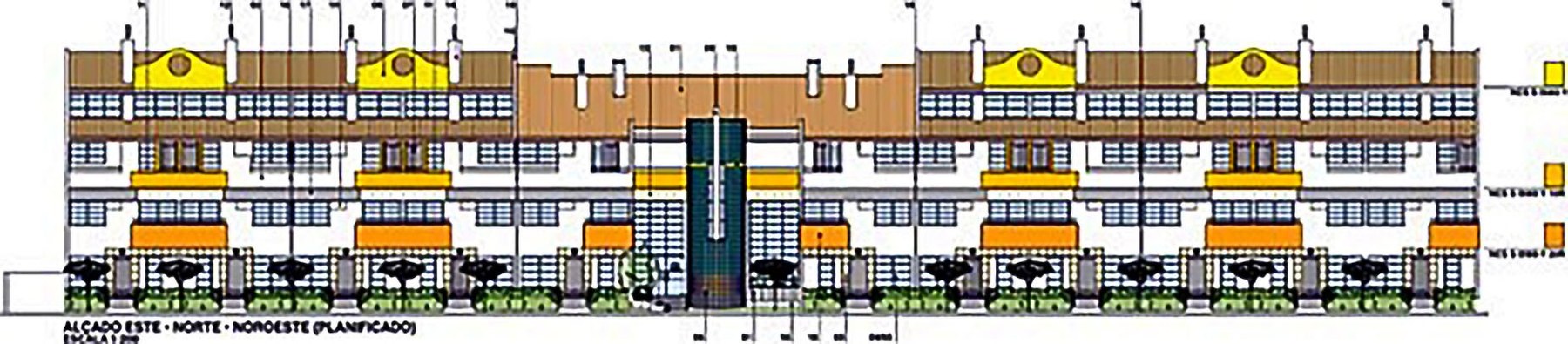
É uma representação viva da colaboração entre um arquiteto e a Comunidade, uma ode à criatividade e ao espírito de cooperação que finalmente moldaram esta obra ao longo de três décadas. Esta narrativa arquitectónica não conta apenas a história de um edifício, mas sim a memória que foi sendo construída depois ao longo trinta anos de inspiração, inovação e transformação. O processo de criação da Arquitectura Colectiva Algarsul começou com uma ideia simples, mas ousada na época, de trazer à vida um espaço arquitectónico que não só abrigasse, mas também inspirasse.
Ao dialogar com trinta famílias ao longo de muitos fins de semana, o arquitecto mergulhou nas vidas e sonhos da Comunidade, transformando essas histórias em paredes e tectos que ecoam a Alma Coletiva de Vilamoura, no Algarve. Cada detalhe foi cuidadosamente pensado, cada cor escolhida com propósito, resultando numa linguagem arquitectónica que funde o moderno e o pós-moderno numa identidade própria. No cenário deslumbrante do Algarve, especificamente em Vilamoura, surge o edifício de habitação colectiva Algarsul como um testemunho da visão audaciosa de uma Cooperativa de sonhadores ao mesmo tempo inspirados por uma gama eclética de grandes arquitetos com renome internacional.

O projeto concretizou ainda uma síntese única de influências que reflectem a criatividade, a inovação e o respeito pela natureza. O edifício Algarsul, passadas agora três décadas da sua construção, teve o seu processo de desenvolvimento ao nível de estudos prévios, licenciamento e execução na equipa da Arquiprojecta a que eu pertencia como um dos sócios, com diversos colaboradores ao nível da arquitectura e participação de diferentes especialidades, entre as quais destaco: Estruturas - Engº Yan Tai; Electrotecnia - Engº Silvino Maio.
Sem essa equipa, na altura coesa, não seria possível o detalhe construtivo em que a realidade actual ainda transmite. Deve-se também ao empenho do Arqº Dante Macedo esse trabalho de conjunto, aliás ninguém consegue fazer um projecto desta dimensão sózinho. 02. Design e influências arquitectónicas Alvar Aalto e Sverre Fhen são os arquitectos que influenciaram profundamente este projecto, que deixaram a sua marca através da geometria, de detalhes complexos e de uma paleta cromática vibrante. As superfícies ondulantes do Edifício Algarsul evocam as ondas do mar próximo, criando uma sensação de movimento e fluidez que percorre todo o espaço.
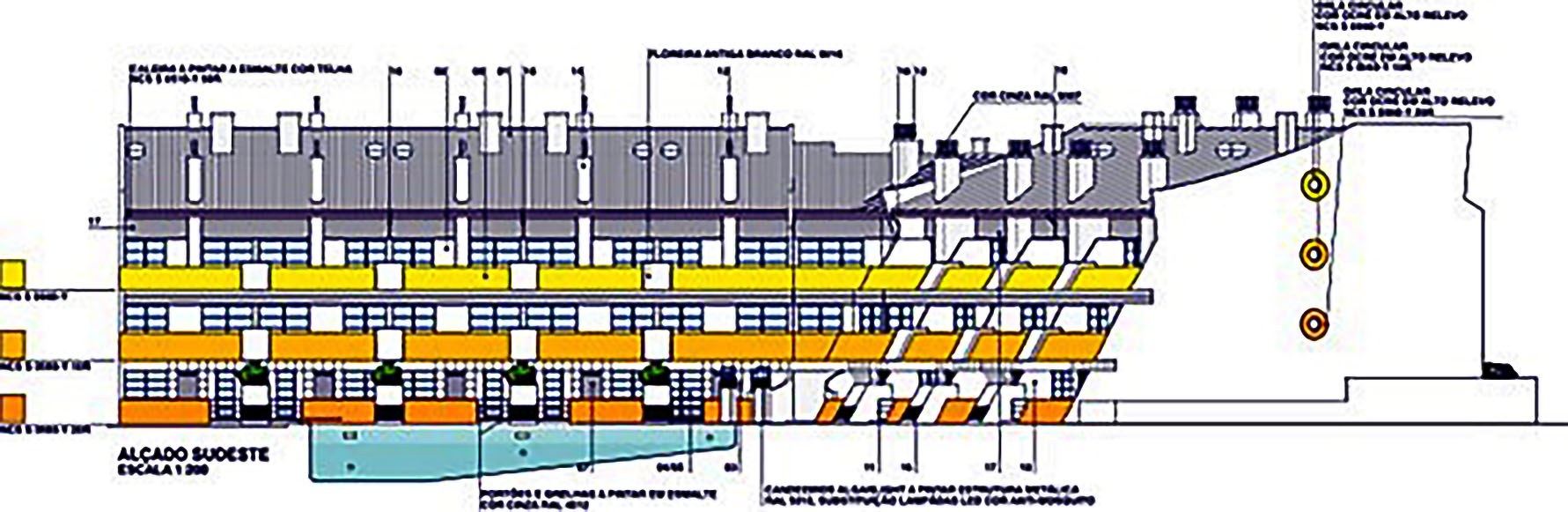
É uma arquitectura silenciosa, mas pulsante de vida e de energia positiva, como um refúgio para aqueles que a habitam e uma fonte de felicidade para todos os que a experimentam. À medida que os anos passam, a Arquitectura Colectiva passou por um renascimento cromático, ganhando novas camadas de cores vivas e vibrantes que rejuvenesceram o espaço e trouxeram uma nova sensação de alegria e vitalidade. Os dias de verão passados no sul do país ganharam uma nova dimensão, banhados pela luz quente do sol e pela sombra acolhedora das formas arquitectónicas.
A memória dos desenhos iniciais fundiu-se depois na memória com a realidade construída, criando uma narrativa visual rica em significado e história. A Algarsul é mais do que um Objecto: é um testemunho da capacidade humana de sonhar, colaborar e transformar. Neste espaço que transcende tempo e espaço, os membros da Cooperativa encontraram um lar, uma fonte de inspiração e uma mensagem do que é possível quando nos unimos em torno de um objectivo comum. Que esta jornada de trinta anos seja apenas o começo de uma história ainda mais grandiosa, onde a Arte da Arquitectura da Cooperativa continue a ecoar através das gerações vindouras, celebrando a harmonia entre arquitectura e Comunidade.
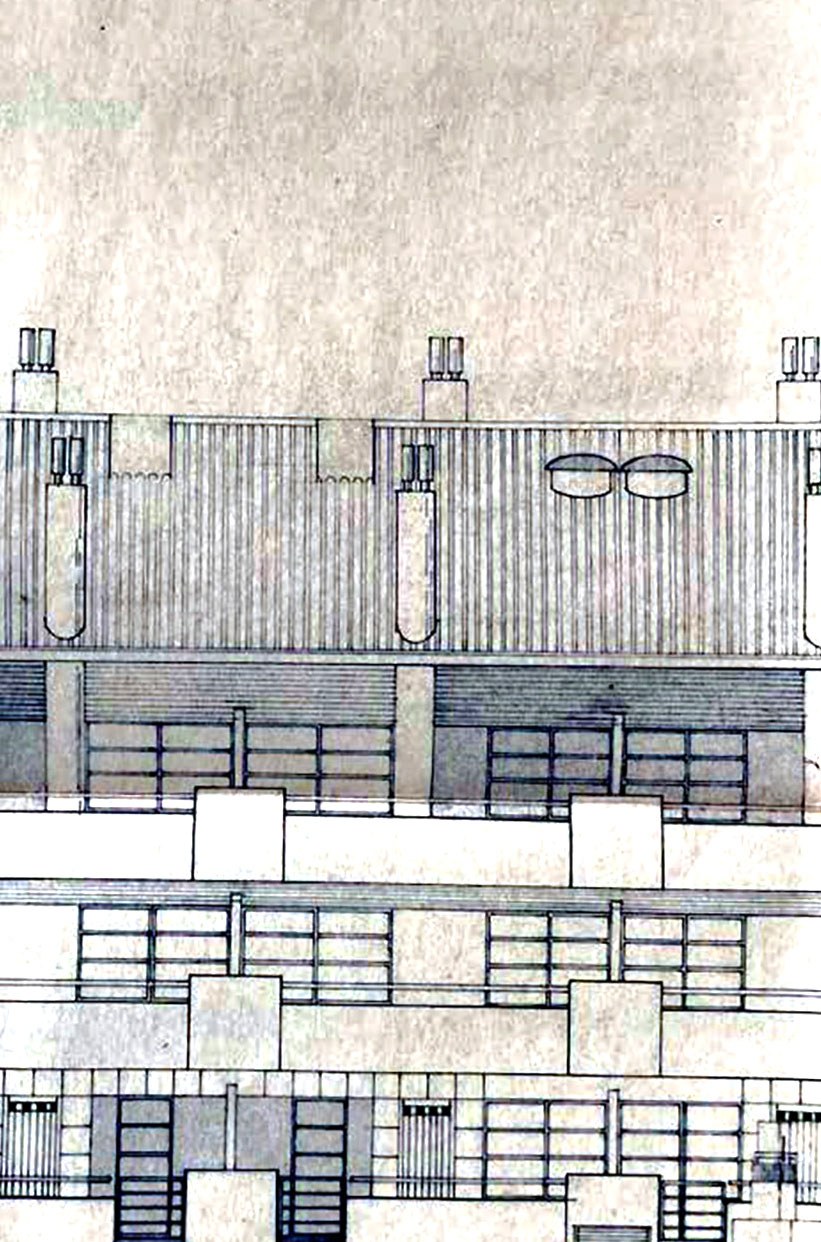
Alvar Aalto, conhecido pela sua abordagem humanista e orgânica em design, trouxe elementos naturais e formas orgânicas para a Arquitectura Colectiva. A sua ênfase na relação entre arquitectura e natureza reflecte-se depois nas formas suaves e fluídas do edifício, que se integram harmoniosamente ao ambiente ao seu redor. A paleta de cores quentes e a atenção aos detalhes refinados, características distintivas do trabalho de Aalto, podem ser vistas nas texturas e nos padrões que compõem esta obra arquitectónica singular.
Sverre Fhen, por sua vez, trouxe uma sensibilidade escandinava ao Edifício Algarsul, marcada por linhas limpas, simplicidade elegante e um uso cuidadoso da luz natural. A influência de Fhen pode ser observada na funcionalidade e na eficiência do espaço, bem como na integração subtil de elementos arquitectónicos tradicionais com tecnologia moderna. A combinação de materiais naturais e técnicas de construção inovadoras reflete a influência duradoura de Fhen neste estudo. A arquitectura orgânica de Frank Lloyd Wright - com a sua ênfase na harmonia entre o ambiente construído e a paisagem, também desempenha um papel importante na concepção da Arquitectura Colectiva.
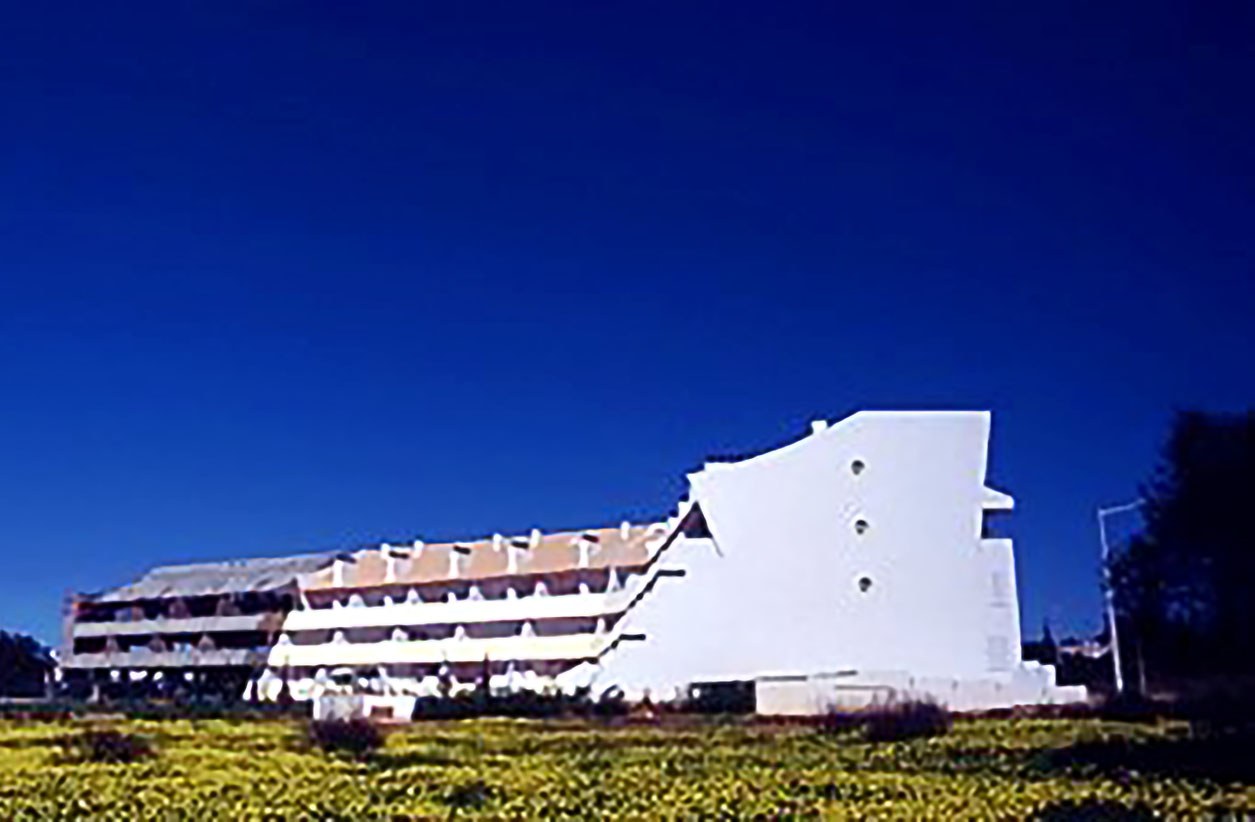
A integração holística do edifício na topografia local, juntamente com o uso inovador de materiais e a atenção aos detalhes artesanais, refletem a influência de Wright no projeto. A fluidez das formas, a interacção entre espaço interno e externo e a atenção à luz e ventilação, são aspectos característicos da abordagem orgânica de Wright que transparecem na essência desta arquitectura. Assim, a Arquitectura Colectiva torna-se não apenas um testemunho da colaboração entre arquiteto e Comunidade, mas também uma síntese única das influências e legados dos mestres da arquitetura moderna: a intersecção entre as ideias e estilos de Alvar Aalto, Sverre Fhen e Frank Lloyd Wright resultam em uma obra arquitectónica que transcende o tempo e o espaço, incorporando o melhor de cada tradição para criar algo verdadeiramente especial e significativo.
Eis agora mais algumas das obras icónicas dos arquitectos Alvar Aalto e Sverre Fhen, já mencionados, que enfatizam a importância dos detalhes e dos interiores na arquitectura e que inspiraram a abordagem da Arquitectura Colectiva. Obras de Alvar Aalto: 1. Villa Mairea - Essa residência privada é um excelente exemplo do trabalho de Alvar Aalto, conhecido por sua abordagem holística ao design. Os interiores desta Villa incorporam uma mistura harmoniosa de materiais naturais, como madeira e tijolo, detalhes cuidadosamente trabalhados e uma integração inovadora entre espaços interiores e exteriores. 2.
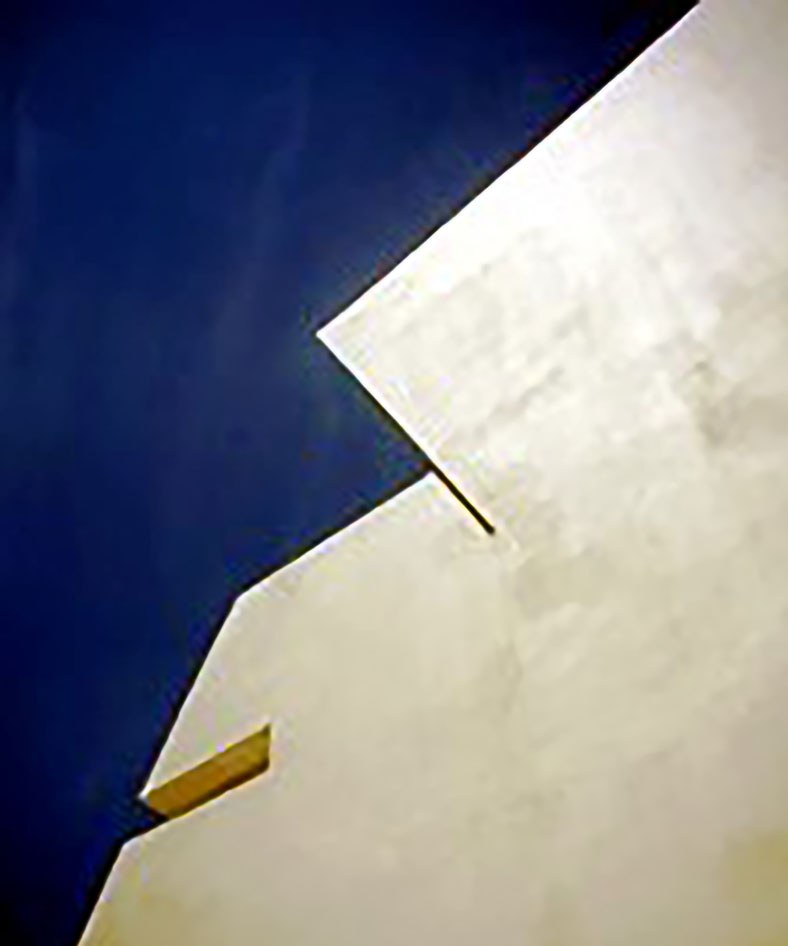
Biblioteca de Viipuri (Vyborg) - Considerada uma das primeiras obras-primas de Alvar Aalto, a biblioteca em Viipuri destaca-se pela atenção meticulosa aos detalhes e à luz. A forma escultural dos elementos arquitectónicos e a maneira como a luz natural entra no espaço criam uma atmosfera acolhedora e inspiradora. Obras de Sverre Fhen: 1. Igreja de Holmenkollen, Oslo - Esta igreja moderna impressiona pela sua simplicidade elegante e pela atenção aos detalhes. Os interiores são marcados por linhas puras, materiais texturizados e uma paleta de cores suaves, criando um ambiente sereno e contemplativo. 2.
Centro de ciências de Barents (Barents Bad) - Localizado em Tromsø, Noruega, este centro destaca-se pelos seus interiores dinâmicos e funcionais. Fhen projetou os espaços internos para incentivar a interação social, com áreas comuns espaçosas, uso criativo da luz e materiais modernos. Estas obras exemplificam a maestria de Alvar Aalto e Sverre Fhen na criação de espaços interiores ricos em detalhes, texturas e uma sensibilidade única para a luz e a forma. Ao incorporar elementos dessas obras notáveis na Arquitectura Colectiva é possível criar uma experiência arquitectónica que nos influenciaram na qualidade e no significado dos interiores e dos detalhes presentes no projecto construído.
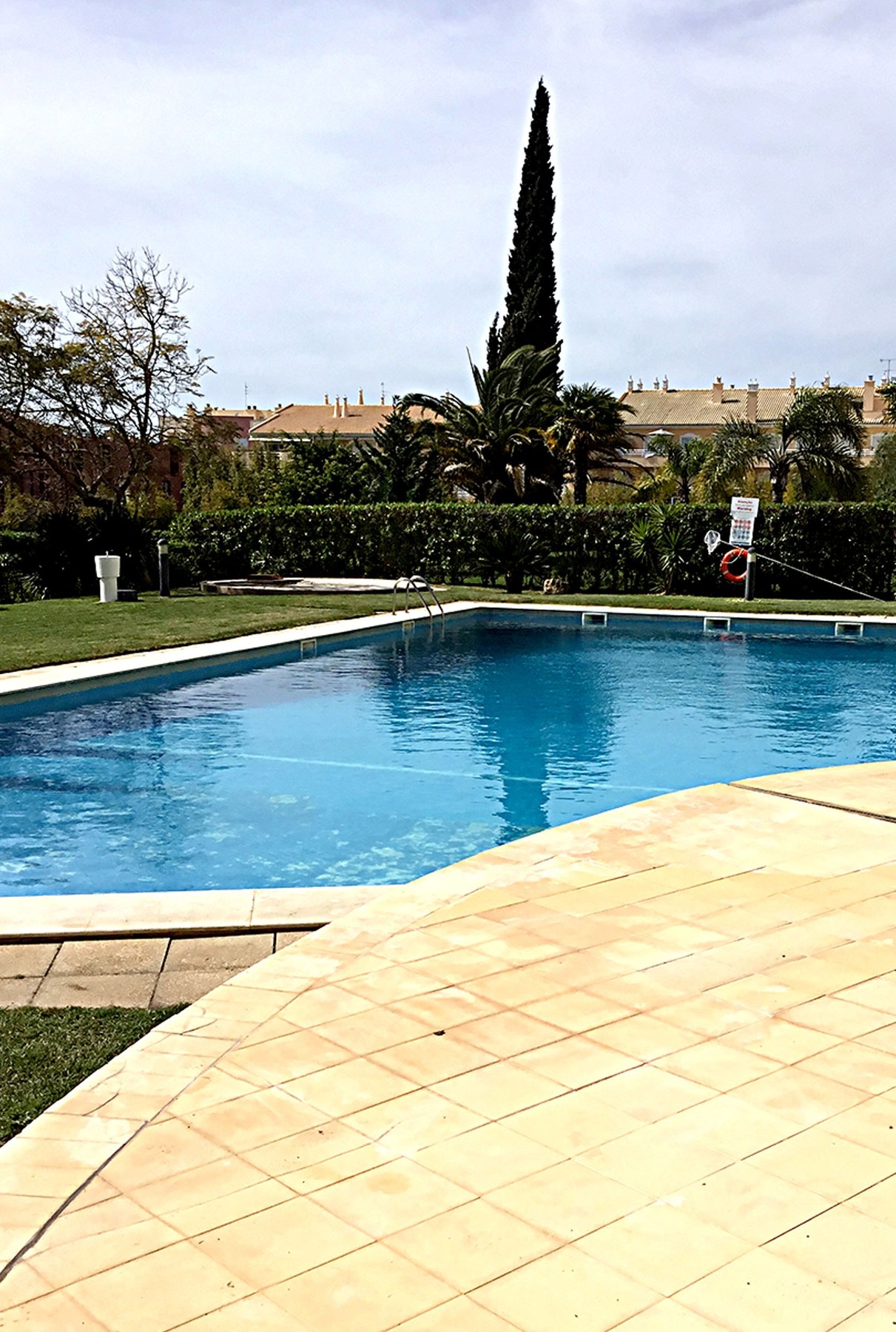
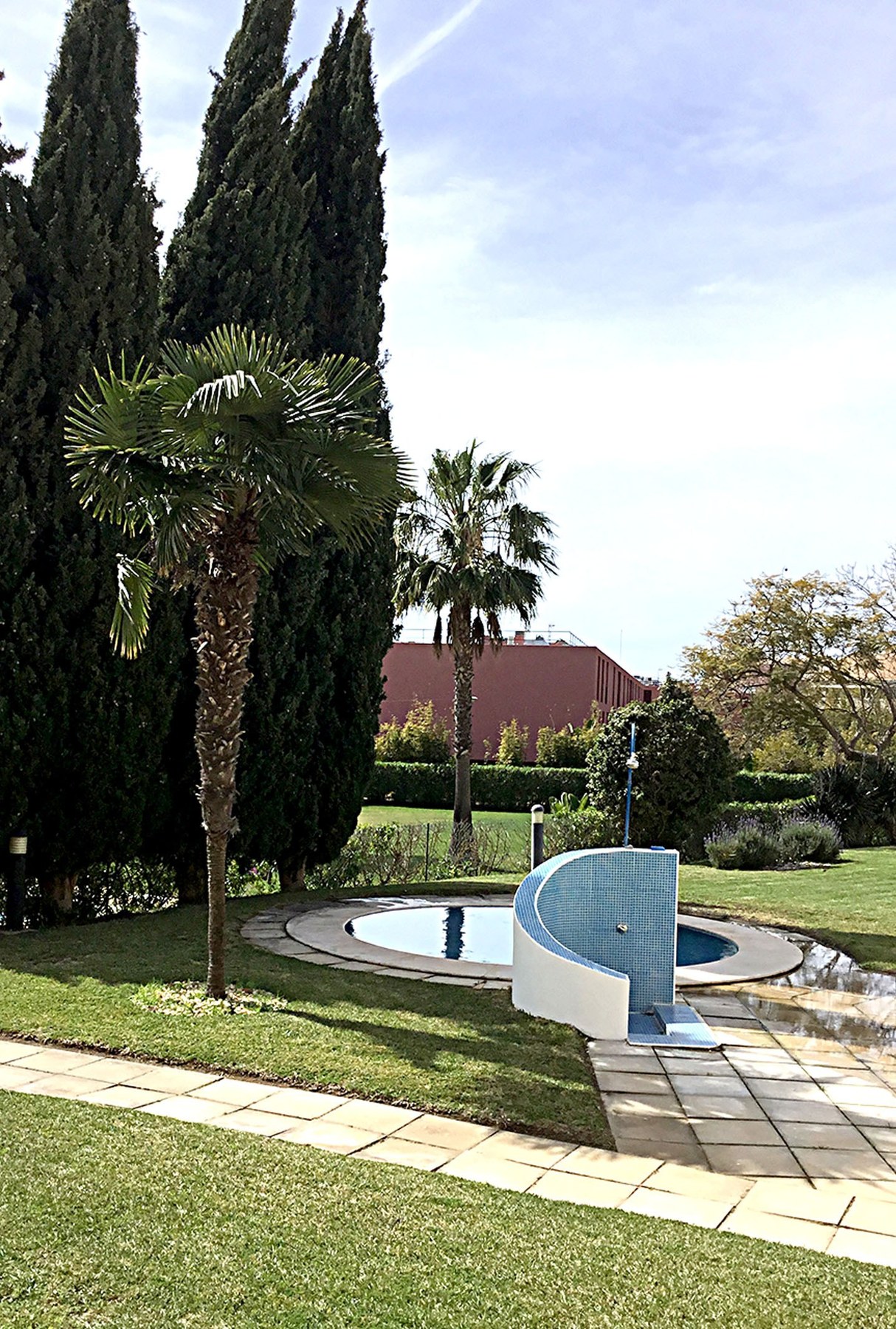
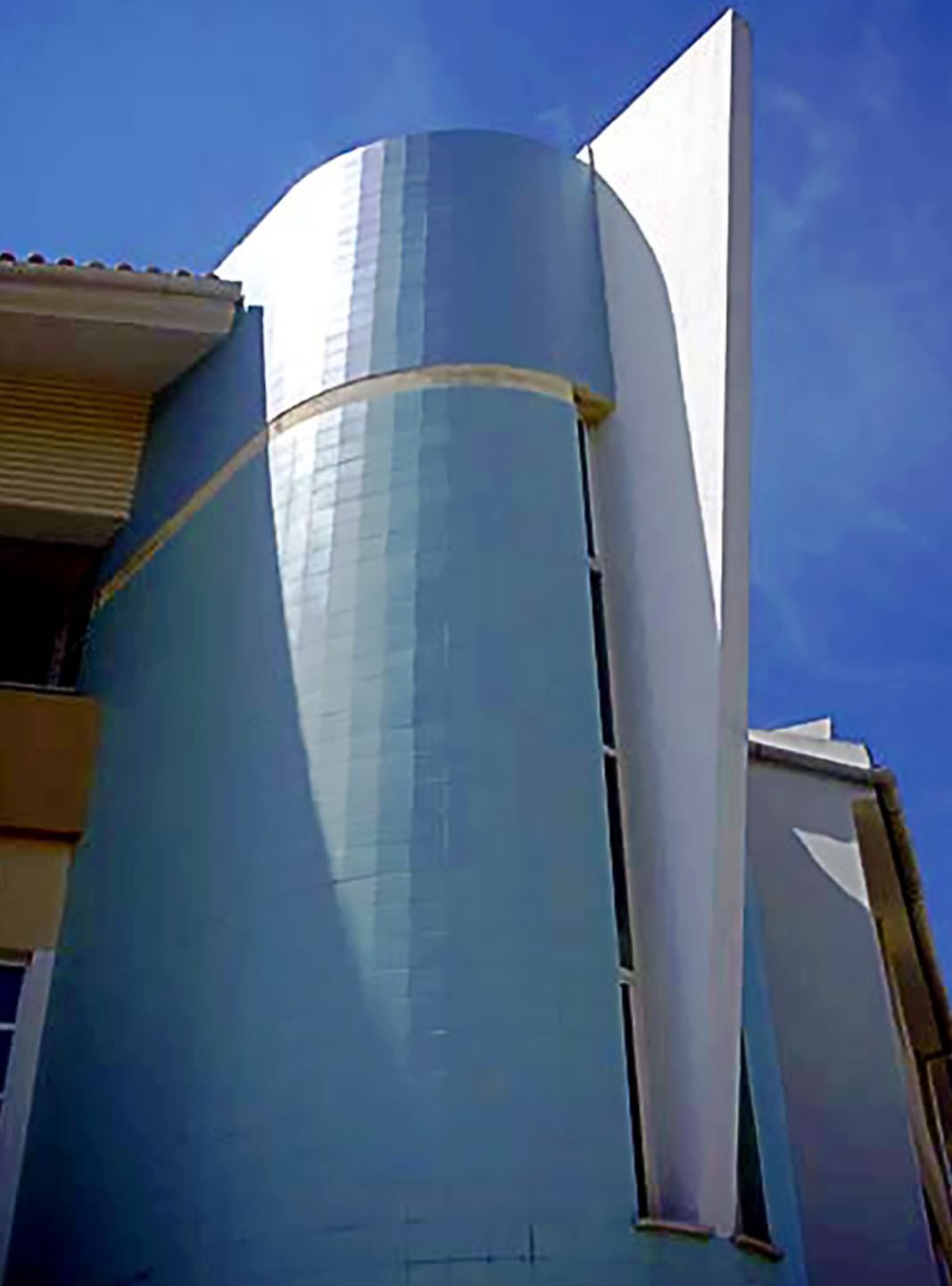
Também podemos adicionar a importância que o Professor Arquitecto Rafael Moneo, dá às formas composicionais inspiradas na espacialidade do cilindro e na quilha de um grande barco arquitectónico que encontramos no núcleo de escadas e entrada principal. 03. Harmonia com a Natureza A ideia de “Arquitectura da Felicidade” proposta pelo filósofo Alain de Botton pode ter sido uma base inspiradora e significativa para a concepção do ambiente criado em torno do espaço da piscina e do verde limitado pelos quatro ciprestes e o Jacarandá na Arquitectura da Cooperativa.
A filosofia de de Botton destaca a importância de conectar a arquitectura e o design de espaços com aspectos emocionais e psicológicos humanos, buscando criar ambientes que promovam o bem-estar e a felicidade das pessoas que os habitam. Ao aplicar os princípios da “Arquitectura da Felicidade” ao ambiente em torno da piscina e dos ciprestes e jacarandá, pode-se considerar uma série de elementos que contribuem para a criação de um espaço acolhedor, harmonioso e estimulante. A piscina, por exemplo, pode ser projetada não apenas como um local de lazer e relaxamento, mas também como um ponto focal que inspire calma, tranquilidade e alegria.
A escolha de materiais, cores e texturas reflectiu a estética e os valores associados à felicidade, criando uma atmosfera acolhedora e convidativa. Os quatro ciprestes que limitam o verde ao redor da piscina também desempenham um papel crucial na definição do ambiente. A simbologia e a presença imponente dessas árvores podem ser integradas ao design do espaço de forma a acentuar a sua importância e significado. A harmonia entre arquitectura e paisagem, as características naturais dos ciprestes e a presença da piscina como centro de interacção criou um cenário único e enriquecedor para aqueles que experimentam essa atmosfera assim como a sua forma geométrica.
A Arquitectura Colectiva do Edifício Algarsul é um testemunho da colaboração entre sonhadores e idealistas que desejavam construir um lar único junto à deslumbrante costa do Algarve, mais precisamente em Vilamoura. Inspirados pelas influências de arquitetos como Alvar Aalto, Sverre Fhen, Le Corbusier e Pancho Guedes, o projeto tornou-se uma celebração da criatividade, inovação e harmonia com a natureza. A ênfase na relação entre arquitetura e natureza, característica do design de Alvar Aalto, combinada com a sensibilidade escandinava de Sverre Fhen, resultou numa arquitectura que integra harmoniosamente formas orgânicas, materiais naturais e uma paleta cromática vibrante.
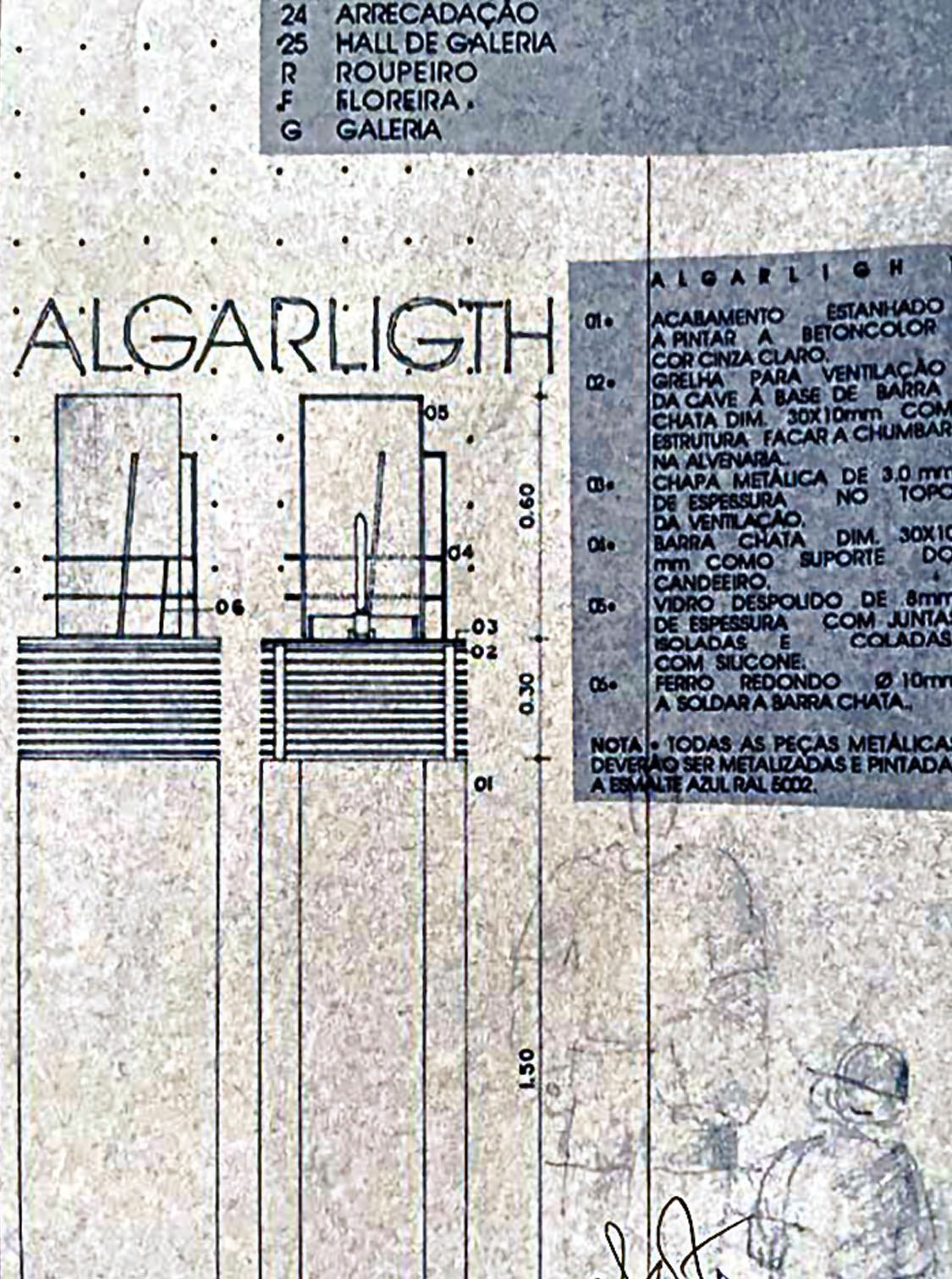
O projeto também absorveu deles na abordagem escultural, nos detalhes funcionais e na expressão artística que permeiam o edifício. 04. Luz e Sombra na Arquitectura Também no “Elogio da Sombra” de Junichiró Tanizaki encontrámos inspiração: “o belo não é uma substância em si, mas apenas um desenho de sombras, um jogo de claro-escuro produzido pela justaposição de diversas substâncias. Tal como uma pedra fosforescente que emite brilho quando colocada na escuridão e ao ser exposta à luz do dia perde todo o fascínio de jóia precisosa, também o belo perde a sua existência se lhe suprimirmos os efeitos da sombra...”
A citação de Junichiró Tanizaki no livro “Elogio da Sombra” lembra-nos da intrínseca relação entre a beleza e a sombra, destacando como a relação entre luz e escuridão pode transformar a nossa percepção estética do mundo ao nosso redor. Tanizaki convida-nos a reconhecer que a beleza não é uma entidade tangível, mas sim um efeito produzido pela interação delicada entre diferentes elementos visuais. A descrição de Tanizaki sobre a importância da sombra na apreciação da beleza é constante ao longo do dia e noite em cada detalhe do Edifício Algarsul, onde a interacção entre luz e sombra cria uma experiência estética envolvente e poética.
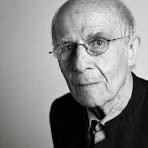
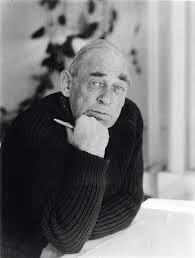
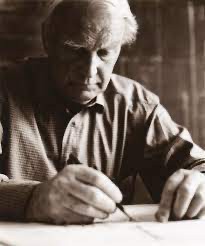
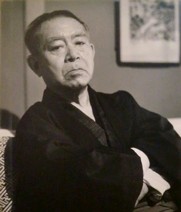
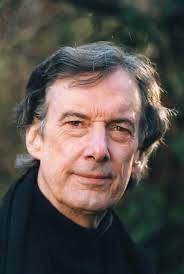
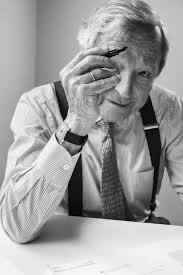
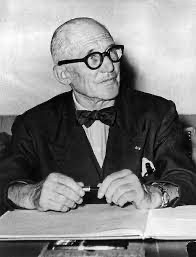
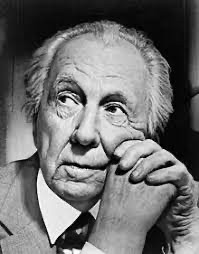
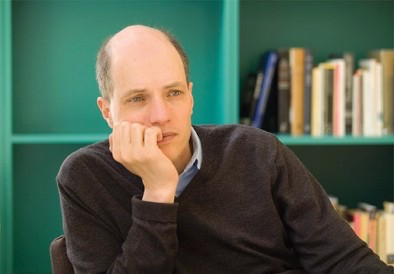
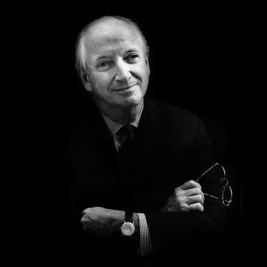
Arquitectos e pensadores de referência do projeto
A arquitetura orgânica, a atenção aos efeitos da luz natural e a busca pela beleza como uma forma de arte sustentável unem-se para criar um ambiente que não é apenas um espaço físico, mas uma expressão da alma e da paixão pela arquitectura. Assim como a pedra fosforescente só revela o seu brilho na escuridão, o belo também é ressaltado através do jogo de claro-escuro, onde a sombra desempenha um papel crucial. A ausência de sombra pode deixar a beleza desprovida de profundidade e mistério, tornando-a plana e desprovida de vida.
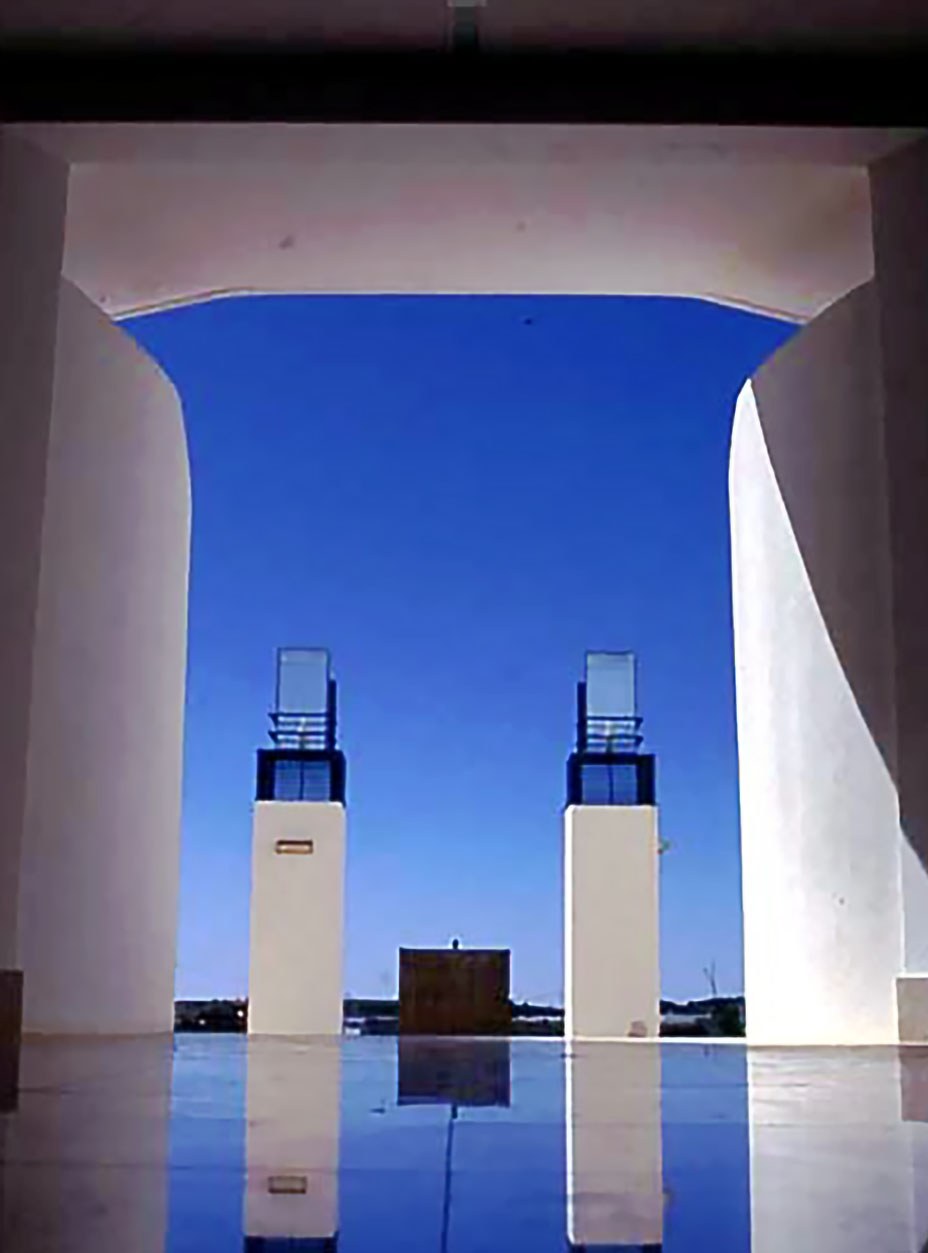
É a interação entre a luz e a sombra - que cria texturas, contrastes e nuances - que se enriquece a nossa percepção estética e desperta as nossas emoções. Na Arquitectura Colectiva a atenção aos efeitos da luz e da sombra pode ser fundamental para criar uma experiência sensorial envolvente e dinâmica. A forma como a luz interage com a arquitectura, destacando detalhes, revelando texturas e alterando a percepção do espaço, é essencial para a criação de uma atmosfera esteticamente cativante. A sombra, por sua vez, adiciona profundidade, mistério e drama ao ambiente, influenciando a maneira como nos conectamos e nos envolvemos com o espaço.
Ao incorporarmos a sabedoria de Tanizaki sobre a importância da sombra na apreciação da beleza, a Arquitectura Colectiva pode explorar a interacção entre luz e escuridão, entre revelação e ocultação, para criar uma experiência arquitetónica que vai além da estética superficial e busca despertar em nós uma apreciação mais profunda e contemplativa da arte de fazer arquitectura. A sombra, assim como a luz, torna-se uma ferramenta poderosa para moldar a atmosfera, a percepção e a poesia do espaço, transformando-o numa paisagem rica em nuances e significados ocultos, esperando para serem descobertos e apreciados.
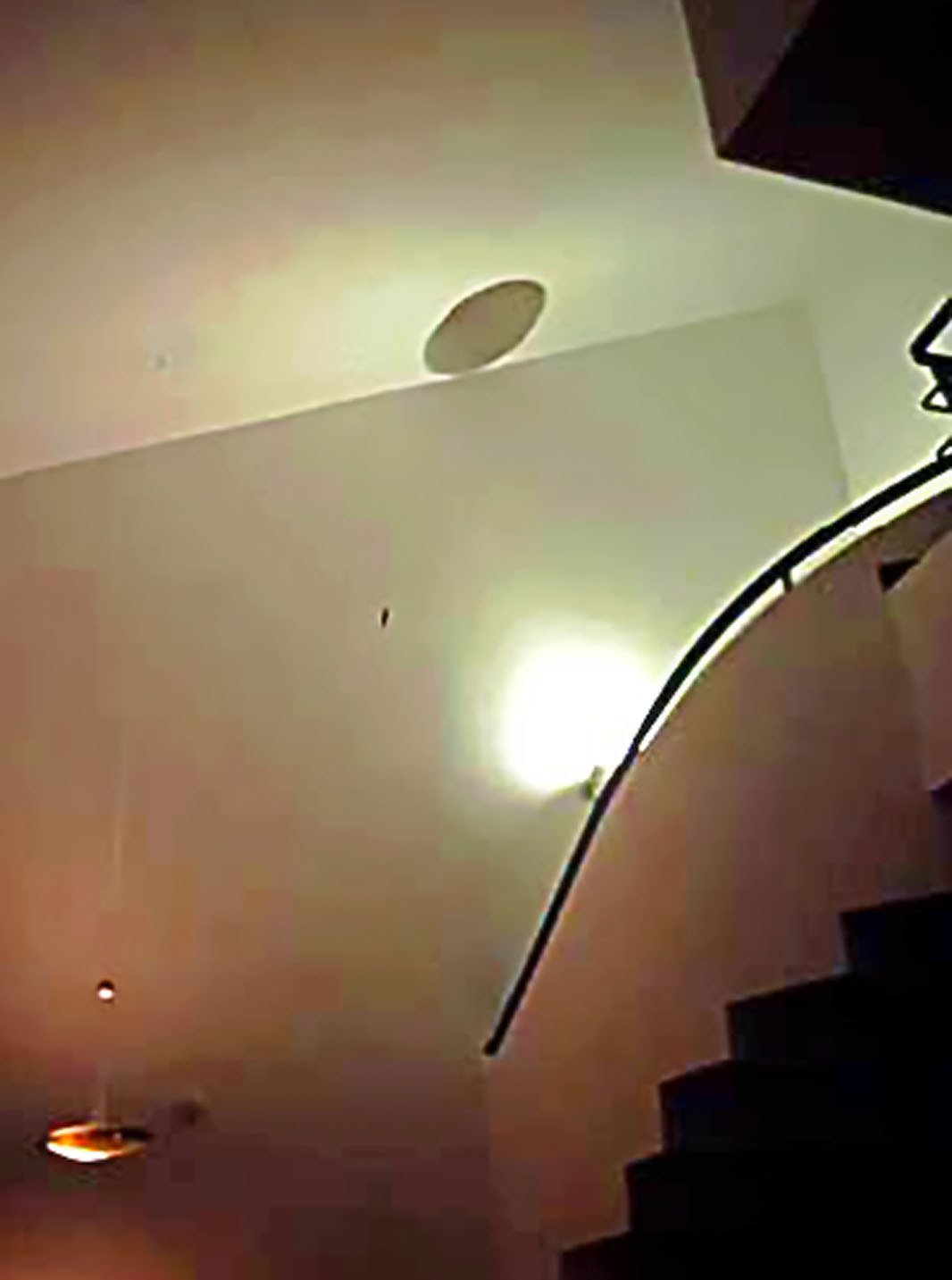
A presença, também, de referências a Le Corbusier nas galerias de acesso aos apartamentos “e´s” nos pisos superiores, adiciona uma perspectiva interessante de influência ao estudo volumétrico de cheios e vazios. Le Corbusier, um dos arquitectos mais influentes do século XX (modernista), deixou um legado de obras reconhecidas por sua inovação, funcionalidade e estética modernista. Eis algumas obras emblemáticas dele que podem ser comparadas e inspirar a comparação com a Arquitectura Colectiva: 1. Unidade de Habitação, Marselha (Cité Radieuse): Este edifício residencial projetado por Le Corbusier é conhecido por sua abordagem inovadora de habitação coletiva.
As galerias de acesso aos apartamentos podem lembrar a organização e o design de interiores funcionalmente eficientes encontrados na Cité Radieuse. 2. Capela de Notre-Dame du Haut, Ronchamp: Uma obra-prima da arquitectura religiosa moderna, essa capela destaca a sensibilidade de Le Corbusier para a luz, forma e espaço. Os jogos de luz e sombra podem não só inspirar a iluminação das galerias de acesso, mas ainda influenciar a atmosfera geral do espaço com cores. Quanto à volumetria exterior dos 30 apartamentos, sendo o primeiro conjunto a ser construído no sector 5.1., em Vilamoura, e ainda na coordenação e fiscalização da Lusotur, a referência à “Boa Forma da Cidade”
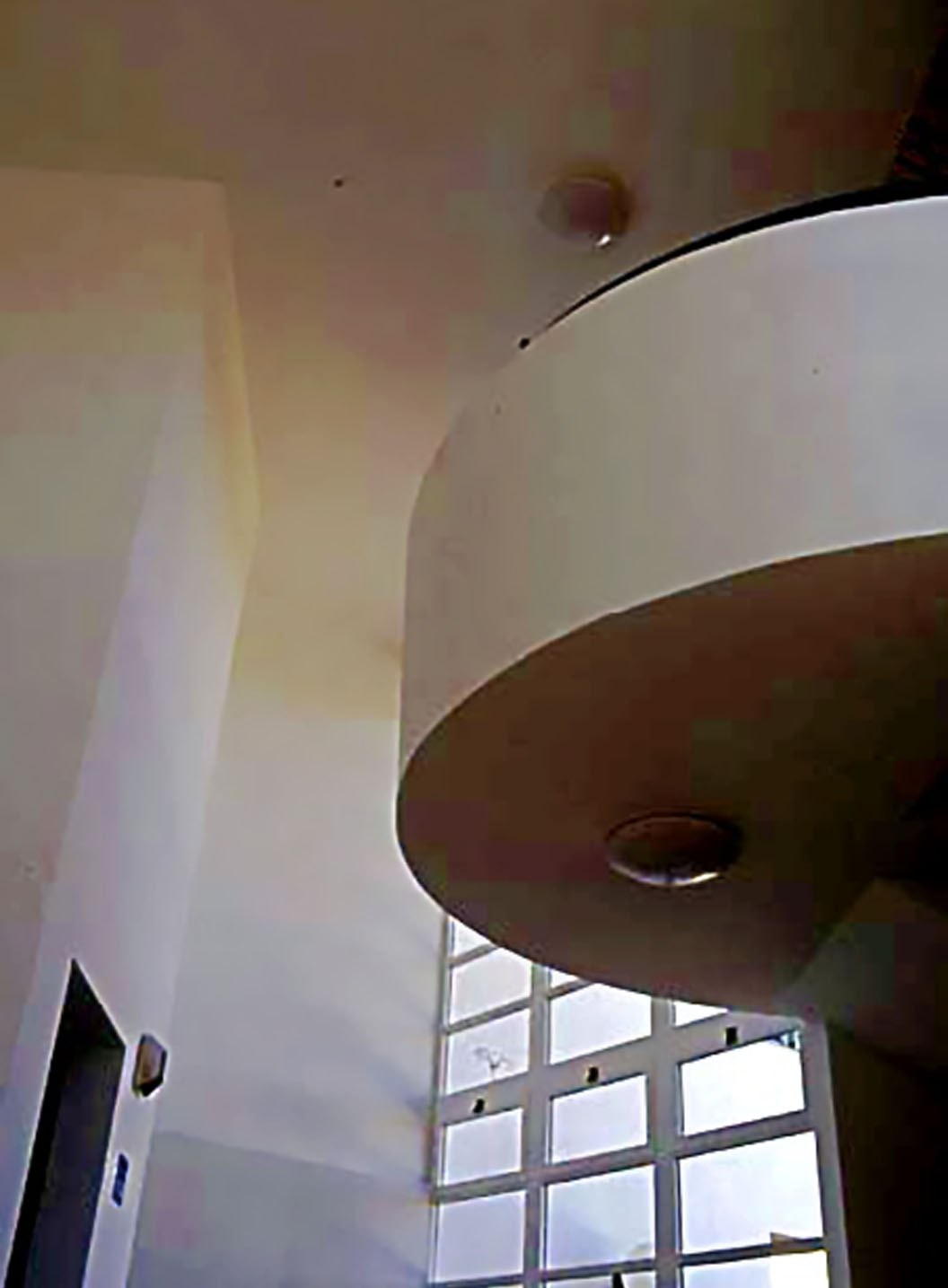
de Kevin Lynch pode adicionar uma camada adicional de significado e planeamento urbano ao projeto. Kevin Lynch é conhecido pelo seu trabalho em planeamento urbano e pela ideia de “Boa Forma” em relação à qualidade do ambiente construído. Esta referência pode implicar uma abordagem cuidadosa para a integração dos edifícios na paisagem circundante, focando na organização espacial e visual para criar um ambiente urbano significativo e coeso. Ao combinar as influências de Le Corbusier com a abordagem de planeamento urbano de Kevin Lynch, o Edifício Algarsul beneficiou de uma rica tapeçaria de referências históricas e contemporâneas, resultando em um projeto que transmite uma tradição da arquitectura em fusão entre uma linguagem moderna e pós-moderna, mas com uma abordagem fresca e inovadora para a vivência e integração na comunidade de Vilamoura, sendo na minha perspectiva eventualmente única. 05.
Génese do Projeto A descrição detalhada do núcleo de escadas na Arquitectura Colectiva revela um cuidadoso trabalho de design que transforma elementos funcionais em formas esculturais e poéticas. A combinação da superfície branca contrastando com os corrimãos em azul e as barras metálicas cria uma estética visualmente marcante, enquanto o revestimento dos degraus com pedra calcária adiciona uma sensação de textura e elegância. A luz natural que se espalha através dos vãos autónomos, simétricos à quilha inclinada de betão aparente, gera uma atmosfera de contemplação e movimento, iluminando os pinheiros mansos e enriquecendo a experiência sensorial.
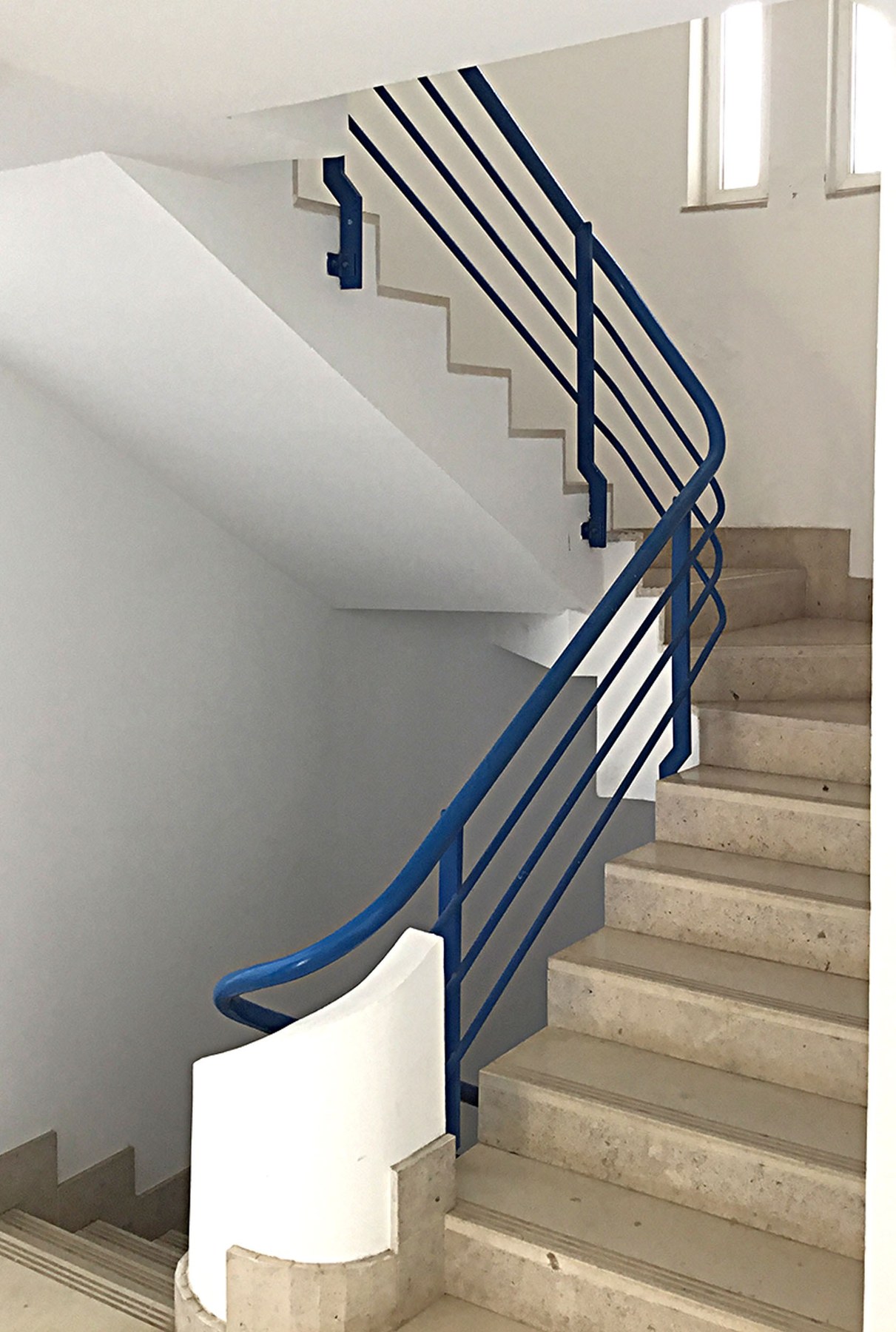
“Tout est art?” O núcleo de escadas desenhado em pormenor assume uma escultura onde a superfície branca contrasta com os tubos metálicos como o corrimão em azul Ral 5010 conjugado com barras Chatas metálicas 50x10mm e a inclinação do degrau revestido com pedra calcária com alhetas de recorte. De dia a luz natural que passa por dois vãos autónomos simétricos à quilha inclinada de betão cinza...que intersecta o grande cilindro das escadas que reflectem uma luz azul diáfona em todas as direcções, incluindo os pinheiros mansos ainda existentes, consegue acrescentar alguma poesia nesta metamorfose de uma linguagem vibrante à procura da beleza como uma arte de fazer arquitectura sustentável através da luz natural acessível e económica.
“A luz em arquitectura “constroi o tempo” e que a luz é o material capaz de colocar o homem em relação com arquitectura”... Architectura sine Luce nulla architectura est”... Campo Baeza / 1992 (Pensar com as mãos). Nesta metamorfose arquitectónica, a poesia emerge não apenas das formas e materiais, mas também da interação da luz com o espaço, criando um diálogo vivo e dinâmico entre o homem e a arquitetura. A luz, como material primordial, não só molda a percepção do ambiente, mas também desencadeia emoções e sensações que transcendem a matéria tangível.
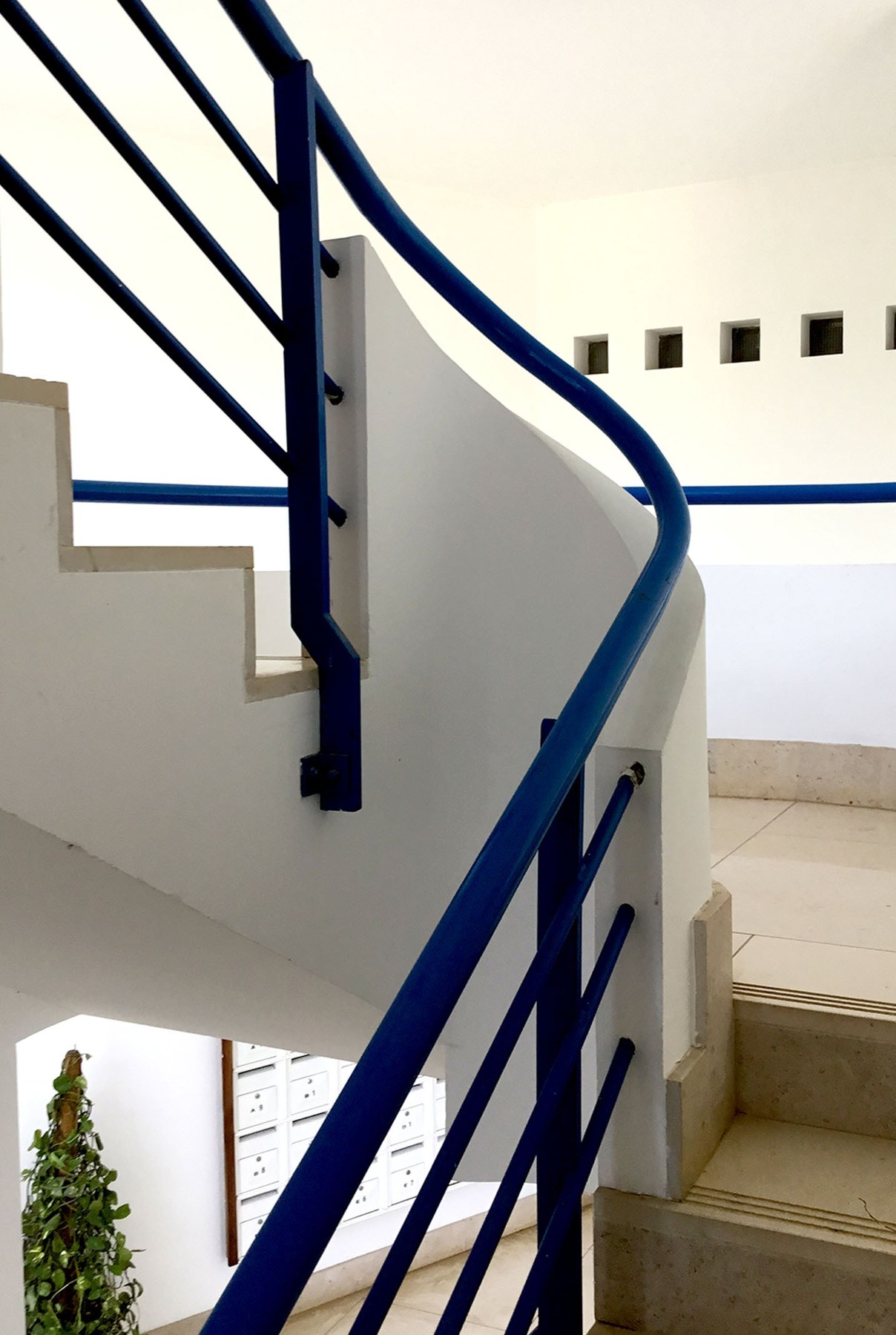
O conceito de que “a luz em arquitetura constrói o tempo” ressalta a importância da temporalidade e da mudança na experiência arquitectónica, enquanto a conexão entre luz, arquitectura e o homem destaca a busca pela beleza e pela sustentabilidade através de uma abordagem acessível e económica. Portanto, neste contexto poético e filosófico, a Arquitectura Colectiva revela-se não apenas como um espaço físico, mas como uma expressão artística e emotiva que transcende a funcionalidade e a estética, buscando criar uma experiência arquitectónica que amplifica com a luz, a natureza e a alma humana.
A busca pela beleza, pela sustentabilidade e pela harmonia com o ambiente natural é elevada a um nível metafísico e estético, onde a luz se torna a mediadora entre o homem e a arquitectura, entre a forma e o tempo, entre a terra e o céu. É nessa intersecção entre a luz, a poesia e a arquitectura que o verdadeiro significado e a essência da obra são revelados, convidando a uma reflexão profunda e contemplativa sobre a arte de fazer arquitectura e a busca incessante do Belo. Também não me posso esquecer da influência do Arquitecto e Professor Pancho Guedes que leccionou em conjunto comigo um 4° ano de Arquitectura ainda na Escola Superior de Belas Artes / Departamento de Arquitectura (ele era o mais velho e eu o mais novo em idade, mas a lecciomar a cadeira de Projecto eu era o mais velho e ele o mais novo): no desenho da empena sul, num só plano de perfil recortado por uma linha curvilínea que dá para a rampa da garagem “o discurso projectual de Pancho Guedes encontra toda a energia no desenho.
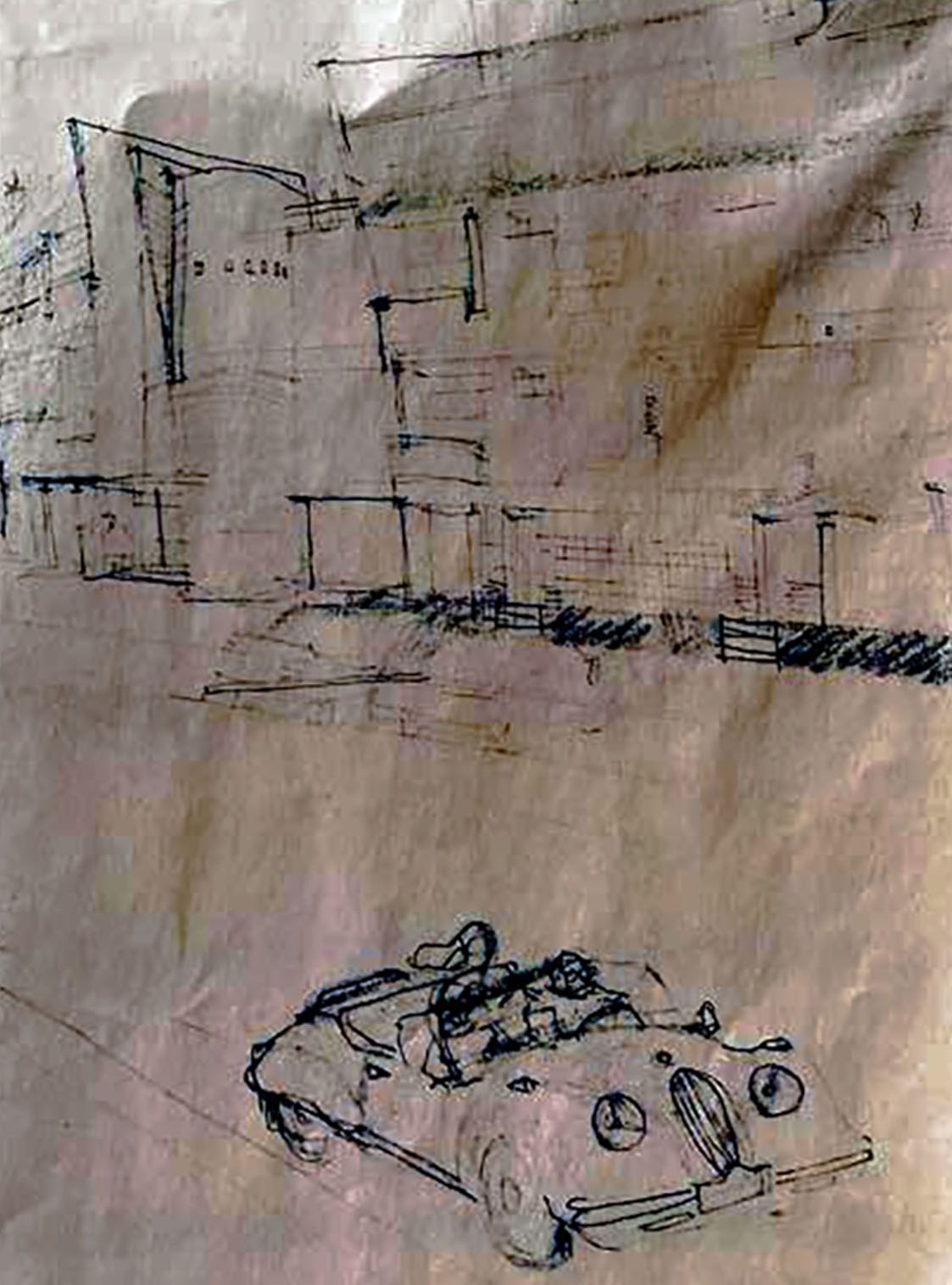
O desenho é fundador de ideias espaciais, representa um percurso de persuasão, elaborado segundo uma estratégia onírica...” Miguel Santiago, 2007. Podemos acrescentar algumas obras de referência. A influência do arquiteto e Professor Pancho Guedes certamente acrescenta uma dimensão única e criativa ao projeto da Arquitectura Colectiva, especialmente no desenho da empena sul e na abordagem projectual que enfatiza a energia e a expressão através do desenho. Sendo um mestre visionário e prolífico, Pancho Guedes deixou um legado de obras que combinam inovação, arte e uma abordagem única para o espaço e forma.
Aqui estão algumas obras de referência de Pancho Guedes que exemplificam a sua genialidade e estilo distintivo: “O Leão Que Ri” é uma das obras mais icónicas do arquitecto e artista Pancho Guedes. Localizado em Maputo, Moçambique, este edifício não só se destaca pela sua arquitectura singular, mas também pela sua presença escultural marcante e ousada. A construção é conhecida por suas formas arrojadas, linhas curvas e detalhes ornamentais, Pancho Guedes Alvar Aalto Severre Fhen Junichiró Tanizaki Charles Jenks Michael Graves Le Corbusier Frank Lloyd Wright
Alain de Botton Rafael Moneo
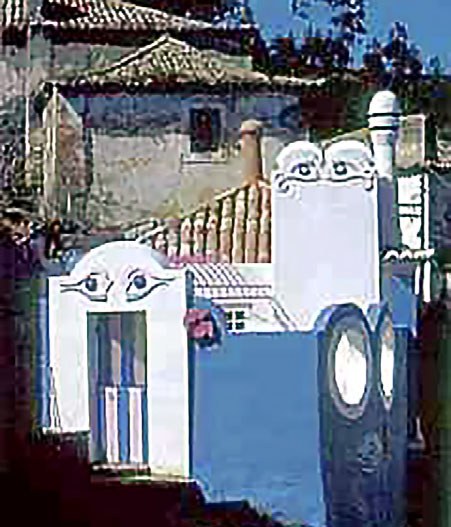
que se destacam no cenário urbano e contam a história da visão criativa de Pancho Guedes. A combinação de elementos artísticos e arquitectónicos neste edifício exemplificam a fusão de diferentes disciplinas e a expressão única do talento e originalidade de Pancho Guedes. A referência a uma casa “super saloia com olhos para nos proteger do mau-olhado”, inspirada no “olho alado da medalha de Alberti” e em olhos pintados, sugere uma arquitectura única e simbólica. A incorporação de elementos como olhos para afastar o mau-olhado é comum em várias culturas e tradições, refletindo uma superstição e crença na proteção espiritual.
A utilização da mítica “medalha de Alberti” com um olho alado acrescenta um elemento de conexão entre a arquitectura e o simbolismo, evocando uma sensação de vigilância e proteção divina. Os olhos pintados também têm sido historicamente associados à proteção contra o mal e à vigilância constante. Esses elementos combinados em uma casa saloia sugerem um projeto que transcende a função prática para incorporar camadas simbólicas e espirituais mais profundas. A casa torna-se, assim, não apenas um espaço habitacional, mas uma expressão visual e poética de crenças e esperanças culturais.
A abordagem de Pancho Guedes para o desenho como uma ferramenta de exploração e expressão artística reflectese nas suas obras que desafiam convenções e redefinem os limites da arquitectura tradicional. Ao incorporar essas referências emblemáticas, a Arquitectura Colectiva aproveitou a influência visionária de Pancho Guedes para criar um espaço que não só definiu expectativas, mas também refletiu uma liberdade criativa, onde a inovação integrou-se numa expressão artística através do desenho e da forma. 06. Síntese: Esta estrutura de capítulos temáticos sequenciados permite-nos confirmar uma abordagem abrangente e detalhada do projeto desenvolvido para a Arquitectura Colectiva / Algarcoop, destacando-lhe os elementos-chave, as influências arquitetónicas e poéticas fundamentais, assim como a sua importância cultural e estética em que participámos de forma activa, desde o início até ao fim e também usufruindo da sua utilização esporadicamente.
Nesta viagem mergulhámos mais profundamente nas origens e inspirações que deram vida ao Edifício Algarsul. Desde as primeiras sementes plantadas pelos visionários fundadores da Cooperativa até à concepção e execução do projecto, em que cada passo foi guiado por uma paixão pela inovação, pelo respeito pela natureza e pela determinação em criar algo verdadeiramente único e inspirador. Explorámos ao longo do texto as influências ecléticas dos arquitetos que contribuíram para a essência da Algarsul, resultando numa síntese notável de estilos (Modernismo / Pós-Modernismo), técnicas e conceitos que sem dúvida se destacam hoje no cenário arquitectónico de Vilamoura.
A intersecção entre a história, a cultura e a arte manifesta-se de forma marcante nesta obra edificada, convidando à contemplação e à apreciação da beleza que emerge da harmonia entre forma e função. Ao nos aprofundarmos neste percurso da memória da criação da Algarsul, somos levados a reflectir sobre o verdadeiro significado da arquitetura e da sua capacidade de transcender o tempo e o espaço. Cada elemento, cada detalhe, cada sombra e luz desempenham um papel vital na composição desta obra singular, que se revela como um testemunho da ideia visionária daqueles que ousaram sonhar e realizar algo extraordinário. 07.
Últimas palavras Assim e agora, ao celebrarmos o marco de três décadas da inovação e cooperação na Arquitectura Colectiva Algarsul, renovamos como arquitectos o nosso compromisso não apenas com a construção de espaços, mas também com a criação de ambientes que inspirem, transformem e elevem o espírito humano, perpetuando a essência da comunidade e o legado da arte arquitectónica. Esta frase síntese busca encapsular o sentimento de continuidade e inspiração que o projecto cristalizou, enfatizando o impacto para além do físico e o valor do legado no campo da arquitectura feita para as pessoas...
que participaram também no desenho do seu habitat. Bibliografia: BOTTON, Alain de (2009) ; A ARQUITECTURA DA FELICIDADE, Publicações Dom Quixote. Lisboa. CAMPO BAEZA, Alberto (2011); PENSAR COM AS MÃOS, edição Caleidoscópio. FEHN, SVERRE (2006); MUSEO EM HAMAR, Imprenta Queimada. Madrid. FOCILLON, Henri (1988); A VIDA DAS FORMAS, Edições 70, Lisboa. LE CORBUSIER (1951) ; The Modulor: A harmonious Measure to the Human Scale Universally applicable to Architecture and Mechanics, Foundation Le Corbusier. Paris. LYNCH, Kevin (2006); A IMAGEM DA CIDADE, Lisboa, Edic?o?es 70.
NORBERG-SCHULZ, Christian (1997); SVERRE FEHN: Works project writing, 1949-1996. The Monacelli Press. New York. MOORE, Rowan (2012); WHY WE BUILD: Power and Desire in Architecture. Picador. London. RUUSUVUORI, Aarno (1983); ALVAR AALTO 1898-1976. Fundação Caloustre Gulbenkian. Lisboa. SANTIAGO, Miguel (2007); PANCHO GUEDES, Metamorfoses Espaciais, edição Caleidoscópio
OS TERRENOS QUE PISAMOS
EM REDOR DO CONDOMINIO ALGARSUL · Apontamento sobre a geologia local · por Rui Baptista
Introdução
Omodo como os terrenos e as paisagens que ocorrem numa região são vistos e descritos depende do que os nossos olhos estão habituados a ver, dos conhecimentos e da sensibilidade de cada um. Aquilo que hoje é uma pequena selva de edifícios em Vilamoura quase não nos deixa ver os solos em que assentam as urbanizações, que pouco a pouco têm vindo a ocupar todos os espaços disponíveis. O Condomínio Algarsul foi o primeiro a ser construído neste setor de Vilamoura tendo a sua edificação sido acompanhada com muito interesse e carinho pela grande maioria dos cooperantes que participaram na aventura que o Dr.
Francisco Carvalho tão bem resume no seu texto sobre a Cooperativa Algarcoop. Os terrenos em que está implantado puderam ser obviamente vistos pelos olhos de todos os que acompanharam o nascimento e crescimento do edifício. A natureza geológica da região entre Albufeira e Quarteira, onde se situa o condomínio Algarsul tem um conjunto de características que se refletem na paisagem e na qualidade dos terrenos de toda a região. Para quem gosta de percorrer o extenso areal da praia da Falésia, desde Olhos de Água, pode observar imediatamente a leste da povoação, nas arribas da praia, uma transição de terrenos com as rochas duras de calcário arenoso amarelado, que albergam os famosos “olhos de água”
visíveis na maré-baixa (Foto 1), passarem lateralmente às formações arenosas esbranquiçadas e avermelhadas observáveis na extensa Falésia sobranceira ao areal da praia a que dá o nome. É genericamente sobre o enquadramento geológico da região em que se localiza o condomínio Algarsul, alargando-o desde as arribas da praia da Falésia até à envolvente de Quarteira e com uma breve nota sobre a geologia regional que se dedicam os próximos parágrafos, procurando que seja um texto acessível a todos, mesmo para os que não tenham formação em ciências da Terra.
O crescimento de Vilamoura
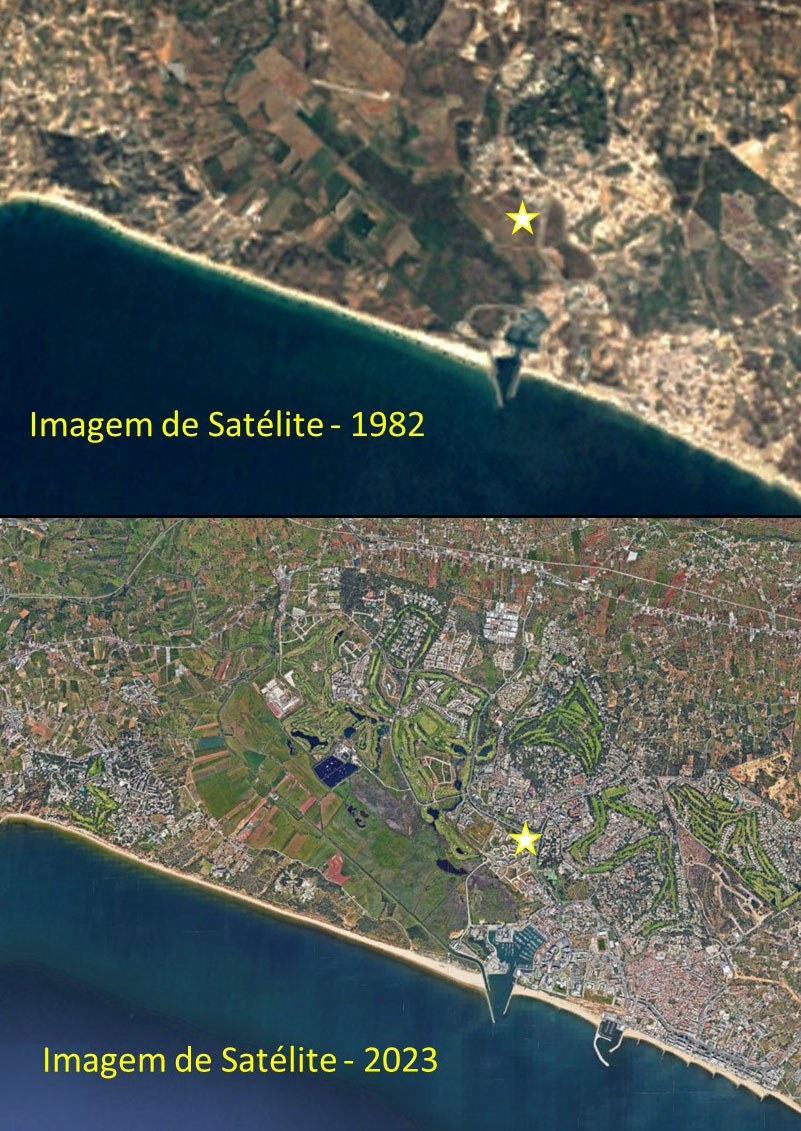
Embora as imagens de satélite tenham diferentes qualidades, definição e resolução é evidente a enorme transformação verificada na ocupação do terreno nos últimos 41 anos. Por serem muito óbvias deixa-se ao cuidado de cada um a leitura e a interpretação das imagens.

A Geologia em redor de Vilamoura
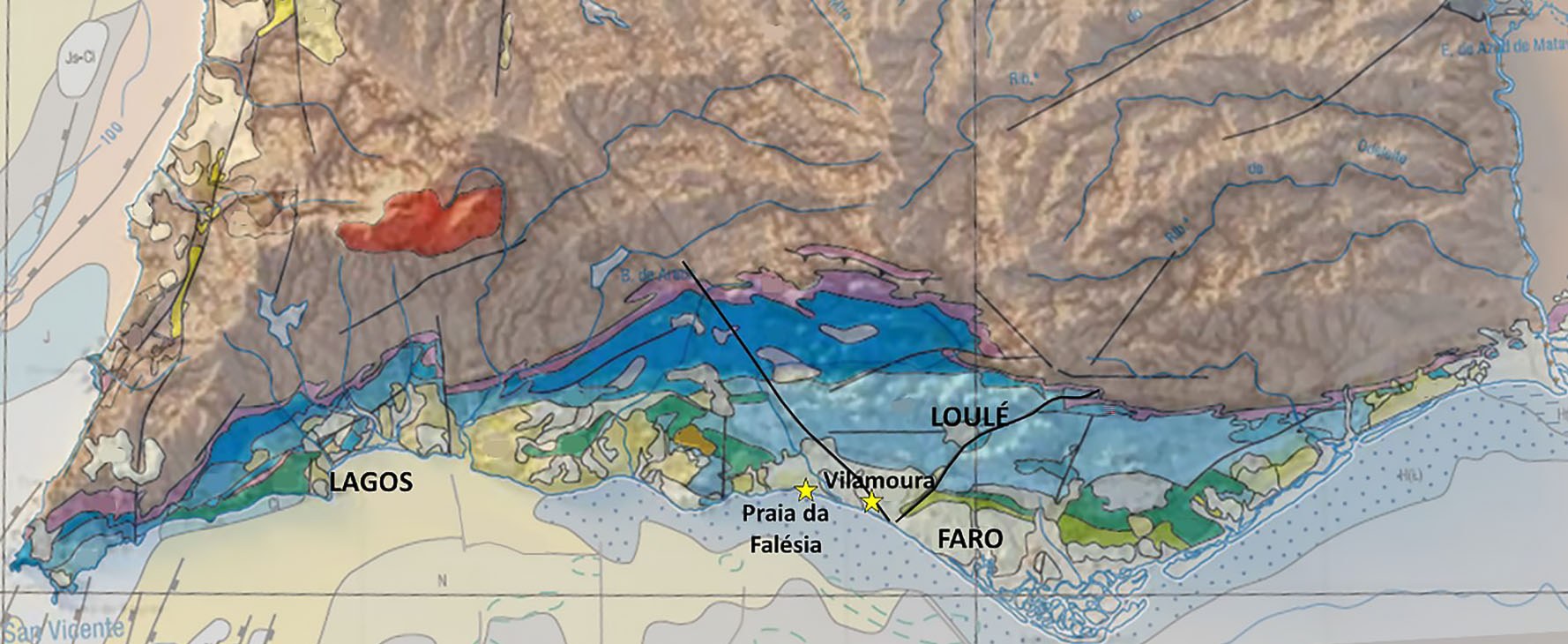
A natureza e idade dos terrenos são expressas, nos mapas dos geólogos, através de manchas de cores distintas que assinalam a distribuição geográfica das principais unidades identificadas ao percorrerem a área mapeada. Na figura 3 as manchas mais evidentes, em tons de laranja e amarelo, identificam as principais unidades geológicas que ocorrem na superfície da região. De acordo com a cartografia oficial as formações assinaladas na imagem em tons de laranja e amarelo integram a “Formação de Ludo” que na região de Vilamoura e Quarteira está representada pela unidade “Areias da Falésia” (em tons de laranja na imagem) e pela unidade “Areias de Quarteira” (em tons de amarelo).
Entrecortando estas manchas estão representadas outras de tons acinzentados ocupando as zonas topograficamente mais deprimidas, associadas a arroios, ribeiros, lagoas e canais afluentes da Ribeira de Quarteira, que corre bem no meio da grande mancha acinzentada central e desagua junto à marina de Vilamoura. Os solos que aí ocorrem são, nas áreas mais planas, essencialmente argilosos, por vezes lamacentos ou constituídos por camadas pouco espessas de materiais arenosos de tons amarelados ou rosados que resultam da erosão das áreas envolventes.
Nalguns locais, refletindo uma maior dinâmica hidráulica, podem ocorrer níveis de cascalhos ou areias mais grosseiras. São o que chamamos de solos aluvionares, que surgem nos leitos e nas margens dos ribeiros. Se esses solos estiverem topograficamente sobrelevados relativamente à base atual dos ribeiros são designados por terraços aluvionares como os que ocorrem próximo da cota de 20 m em certos setores ao redor da Ribeira de Quarteira. Nas áreas mais baixas estes aluviões são normalmente mais argilosos, preenchendo os leitos de cheia,
A estrela amarela indica o local onde se situa o condomínio Algarsul. sendo por isso terrenos susceptíveis de serem alagados em períodos de chuvadas muito intensas decorrentes, por exemplo, de fenómenos meteorológicos extremos. Normalmente os geólogos identificam os terrenos reconhecendo os tipos de rochas e solos que ocorrem na superfície topográfica, em escavações, em taludes das estradas, nas falésias naturais ou através de sondagens. É pelas suas particularidades e por poderem ser bem observadas nas arribas da Praia da Falésia que se destaca e merece ser individualizada a unidade com o mesmo nome e que é a mais representativa na área entre Olhos de Água e a ribeira de Quarteira.
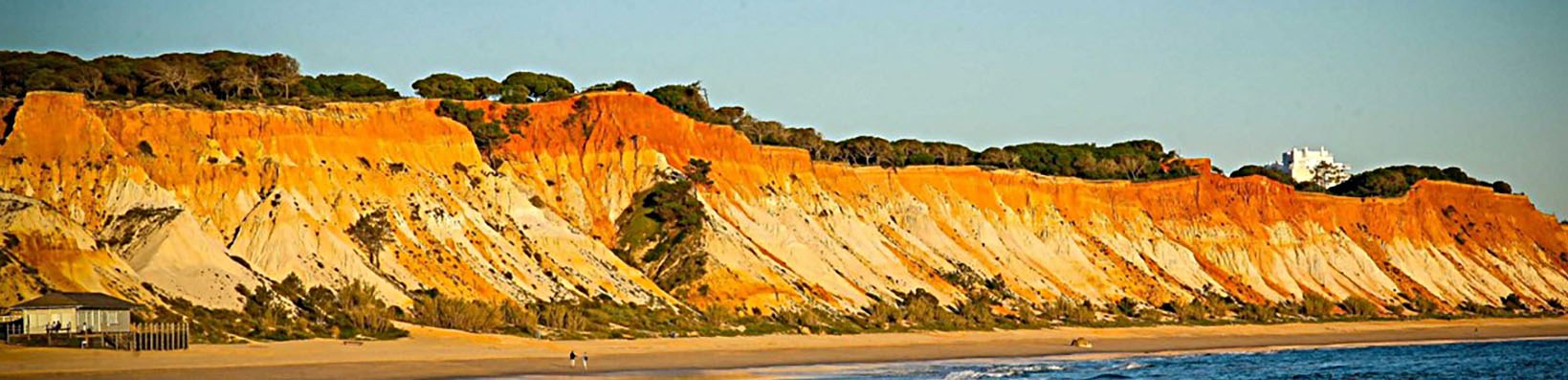
Observando a imagem da figura 4, que mostra uma secção da arriba da Praia da Falésia, vê-se uma espessa camada de cores esbranquiçadas ou ligeiramente amareladas, aqui e ali manchada pela queda dos materiais avermelhados e alaranjados que se observam no topo da arriba. A camada esbranquiçada é constituída por areias de quartzo e feldspato e por elevada percentagem de caulinos (argila branca) que lhe dão a respectiva cor. No topo as camadas superficiais, com geometria lenticular e cores vermelhas-escuras, são muito mais argilosas, ricas em óxidos de ferro contendo, intercaladas, algumas camadas finas de areias e cascalheiras e, nalguns locais, pequenas intercalações com acumulações de fósseis.
Os ressaltos na topografia estão associados aos processos de erosão natural que escavam os solos menos resistentes e sobrelevam os solos mais endurecidos que aqui têm cor vermelho-escuro pela maior concentração de óxidos de ferro, podendo nalguns locais ser coroados por pequenos níveis de solos amarelados, lavados pelas águas das chuvas e enrijecidos por conterem maiores concentrações de carbonatos. À medida que se caminha para leste, em direção a Quarteira, esta falésia vai ficando progressivamente menos alta desaparecendo, coberta por areias de duna e de praia, já perto da foz da Ribeira de Quarteira.
Estas formações geológicas visíveis na Praia da Falésia estendem-se para norte e nordeste até serem interrompidas pelos aluviões associados à Ribeira de Quarteira como pode ser visto na Figura 3 com as manchas acinzentadas correspondentes aos aluviões a cortarem a mancha alaranjada correspondente às “Areias da Falésia”.
Os riscos a preto indicam a presença de falhas geológicas. A secção a tracejado indica que não há evidências óbvias da sua existência no terreno, mas é admitida a elevada probabilidade de ocorrência em profundidade. A estrela assinala a localização do condomínio Algarsul. A este e a norte da Ribeira de Quarteira observam-se manchas amareladas também entrecortadas por estreitas manchas cinzentas dos aluviões que preenchem os arroios e vales dos afluentes da Ribeira de Quarteira. As urbanizações de Vilamoura e Quarteira estão implantadas nesta larga mancha amarelada onde ocorrem formações geológicas que têm algumas características que as distinguem das “Areias da Falésia”
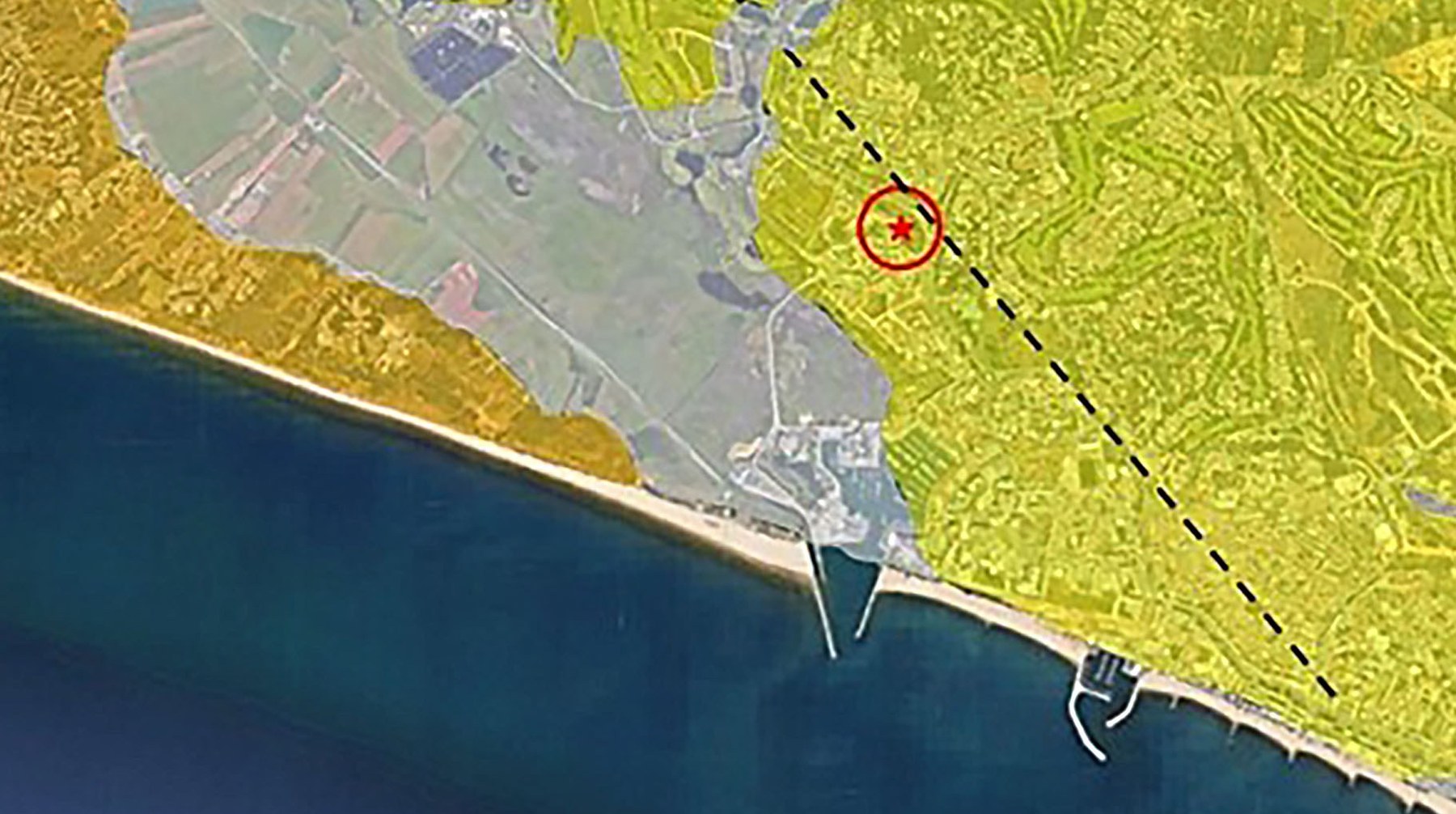
sendo por isso designadas “Areias de Quarteira”. Estas, no terreno, têm cores alaranjadas e rosadas sendo constituídas por uma mistura de grãos de areia por vezes grosseiras e materiais mais argilosos amarelados ou avermelhados pela presença de óxidos de ferro. Tal como nas “Areias da Falésia” em que se observam variações de espessura e transições laterais também as “Areias de Quarteira” têm variações laterais e verticais tipificando as condições ambientais em que se formaram há alguns milhões de anos. A datação destas camadas arenosas aponta para terem menos de 3 a 4 milhões de anos.
Por esses tempos, os troços superiores da Ribeira de Quarteira já existiam e traziam para a sua foz, de tipo delta, e para a plataforma marinha adjacente todos os sedimentos, argilas, areias e cascalheiras com calhaus de diferentes tipos, que arrastavam das áreas emersas mais a norte. As areias de Quarteira e da Falésia com as suas variações e transições laterais depositaram-se numa vasta área que era naquele tempo a zona de transição entre ambientes fluviais e de plataforma marinha. É sobre estas formações arenosas que o condomínio Algarsul, bem como a grande maioria das urbanizações de Vilamoura, foi construído.
Em termos geotécnicos estes tipos de terrenos, sendo arenosos, mas com componentes argilosas e bastante compactados, suportam bem as solicitações de carga impostas pelas construções, sobretudo quando não existem variações bruscas de litologia nem níveis aquíferos superficiais que ponham em causa a estabilidade das estruturas construídas, situação bem distinta do que ocorre nas zonas aluvionares como as que rodeiam a Ribeira de Quarteira. Por algum motivo a ocupação desses terrenos tem sido protelada e tal não se deve exclusivamente a questões ambientais.
Aí a construção de edifícios requer estruturas com custos mais elevados para além de poderem ter problemas de outra natureza já que os níveis aquíferos superficiais e os terrenos muito argilosos, húmidos e lamacentos irão sempre exigir fundações mais complexas, mais profundas e, naturalmente, mais caras.
Os sismos na região do Algarve
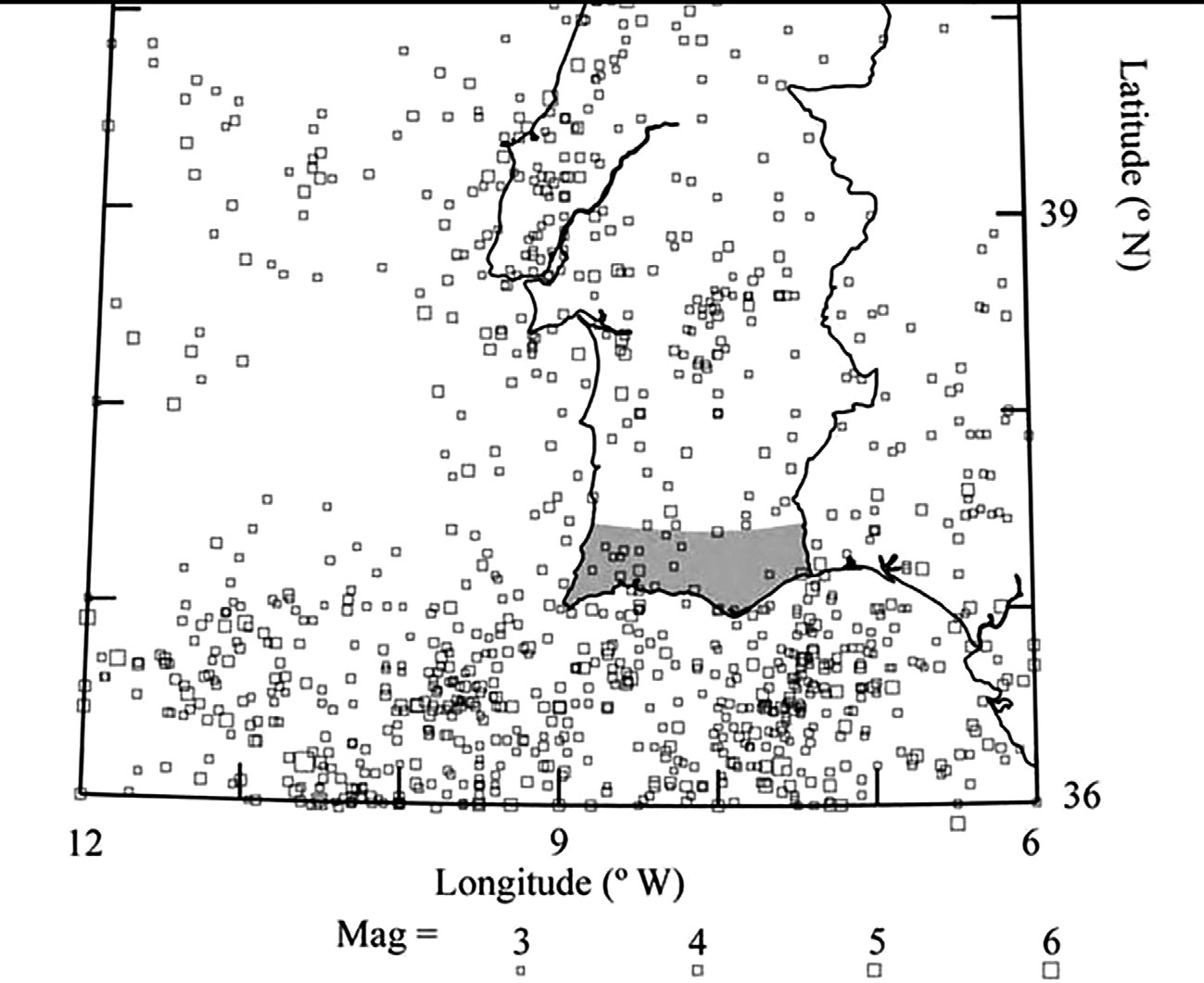
Mas se os terrenos em que está construído o condomínio Algarsul proporcionam boas fundações para o edificado, a ocorrência de frequentes sismos é considerada responsável pelo aparecimento de patologias que apesar de não porem em causa a segurança dos edifícios requerem a frequente reparação de pequenos danos causados pelos tremores da atividade sísmica. A região Algarvia corresponde à área de Portugal continental onde se sentem com maior intensidade sismos relacionados com a proximidade da zona de fractura Açores-Gibraltar, que corresponde a uma fronteira de placas difusa entre a placa Eurasiática e placa Africana.
Na figura 5 é visível a grande quantidade de sismos de maior intensidade gerados em alinhamentos W-E a algumas dezenas de quilómetros a sul da costa meridional do Algarve. Este enquadramento geodinâmico é responsável pela ocorrência de uma actividade tectónica regional que se manifesta pela elevada quantidade de sismos. Com efeito a região Algarvia tem sido afectada por sismicidade histórica e instrumental, registando sismos históricos fortes que causaram danos importantes, dos quais se destacam os que foram gerados nas falhas associadas ou próximo da Zona de fratura Açores-Gibraltar como foi o de 1755 e até, mais recentemente, o de 1969, felizmente com consequências destrutivas não comparáveis.
São, como foi dito, sismos gerados em fronteiras de placas. Há, porém, alguns outros sismos históricos significativos com epicentros nas áreas continentais da região Algarvia, sendo por isso considerados intraplaca como os ocorridos nas áreas de Portimão em 1719, Tavira em 1722 e Loulé em 1856. Para além desses sismos de intensidade significativa há muitos outros de menor intensidade que ocorrem nesta região do sul de Portugal com muita frequência mas são pouco ou nada sentidos pela população. Os estudos recentes de neotectónica permitiram identificar na região do Algarve numerosas falhas ativas com movimentação vertical e horizontal afectando algumas unidades geológicas mais recentes de idade Quaternária ou Plio-Quaternária (2 a 4 milhões de anos).
Pela proximidade à envolvente de Vilamoura interessa referir a falha
Brás de Alportel, Loulé e Quarteira e que é conhecida pelos especialistas por “Falha do Carcavai” por condicionar o curso da Ribeira com esse nome. Para além destas e de outras falhas com grande expressão cartográfica, marcadas por linhas pretas na Figura 6, existem muitas outras de menor extensão não representáveis na figura por questões de escala. Muitas destas falhas prolongam-se pela plataforma continental submarina aproximando-se das grandes falhas alinhadas com a zona de fratura Açores Gibraltar. Esta intensa fracturação da região do Algarve é consequência da evolução do bordo sul da Península Ibérica antes, durante e depois de se ter formado a bacia sedimentar, iniciada ainda antes do tempo dos dinossauros, e que é conhecida entre os geólogos por Bacia Algarvia.
No mapa da Figura 6 as rochas que se formaram durante a evolução dessa bacia estão marcadas imediatamente abaixo das tonalidades castanhas que caracterizam as rochas xistosas predominantes no Alentejo e que são de génese muito mais antiga, dos finais da era Paleozoica. Em tons avermelhados marcam-se no mapa as rochas da Serra de Monchique. Em tons de azul assinalam-se as rochas de idade Jurássica e em tons de verde as rochas de idade Cretácica, ou seja, rochas formadas durante o Mesozóico, no tempo dos dinossauros. Finalmente em tons amarelados e alaranjados estão assinaladas as formações de idade Terciária e, em tons acinzentados, as unidades mais recentes de idade Plio-Quaternária em que se incluem as formações que descrevemos em redor de Vilamoura – “Areias da Falésia”
e “Areias de Quarteira”, constituindo estas últimas os terrenos que pisamos em redor do condomínio Algarsul.
Concluindo
A região em que se situa o condomínio Algarsul ou, numa visão mais alargada, Vilamoura – Quarteira, tem características singulares que a tornam atrativa para residentes e visitantes. A natureza geológica, o modelado da paisagem, a situação geográfica e o clima fizeram esta região atrativa para os humanos que souberam nela viver durante milénios usando-a de forma sustentada. O progresso civilizacional veio alterar as formas de nela se viver, ocupando a região de forma mais intensa, desenvolvendo-se atividades económicas associadas ao turismo.
Apesar de tudo, por ter sido pensada por alguém com visão estratégica, Vilamoura tornou-se, pelo menos até agora, um lugar aprazível para se disfrutar e consequentemente muito desejada por essas atividades ligadas à indústria do turismo. O adensamento da ocupação e uma, até agora adiada, invasão das zonas baixas associadas às zonas aluvionares poderá, no entanto, alterar negativamente a harmonia vigente. Ajudar a compreender os solos que pisamos quando damos os nossos passeios por Vilamoura e arredores e o contexto em que se enquadram foi o principal objetivo deste pequeno texto no qual se procurou evitar o uso de muitos termos técnicos, embora seja inevitável o uso de alguns.
Se com ele conseguimos despertar a atenção para o ambiente que nos rodeia em Vilamoura então os objetivos foram alcançados.
ALGARSUL, VILAMOURA
“From generation to generation” or “A building with a soul” · by Carlos Quintas
Which also tells us a story, so many stories, evoking so many emotions we have already experienced. Thirty years ago we headed south looking for that sunny place where we dreamed of and realized a new opportunity for our families to reunite with local people the sea and nature. Vilamoura still preserves for us today this mystery of the countryside and rural environment of ancient local life with its Roman remains. It also shows us the balanced marks of its growing cosmopolitanism without damaging its own identity. It is in this integration that much of its fascination still lies before our eyes today.
That is why even today Vilamoura is the “Site”, the real one, in the Algarve, where the desire for progress was best combined without giving up its roots and identity. There are reasons to believe that this magic originated from the human work of its founder Cupertino de Miranda but above all from its organizer of the territory, Professor Costa Lobo. Without them, without this moment, without this meeting, Vilamoura today would be more danger than happiness, more speculation about real estate than the tranquility of its exceptional experience, more anxiety than comfort.
There is a feeling of great anxiety in us when we leave it at the end of the season: will it be the same in a year’s time? But there you go, despite what you know and hear. In this context, a family experience is an extraordinary reality that must be preserved and cultivated. It is not about progress but about well-being. This is not about selfishness, but about solidarity with the local people who it feels good to meet again every year. It is the people of Quarteira enjoying the sunset, the eternal vendors at the fish market, the workers at the post office, some restaurants, their gardeners and the orange sellers.
From the end of Quarteira to the end of Vilamoura, from one side to the other, it is a regenerating geography. Of course, that bizarre folklore of the alcoholic tourist would also have to fall into its midst but Vilamoura is so much more than what we are used to seeing rather than what they want to transform it into still remains decent despite the noise and shouting that is understood as catharsis of modern times. It is better for them to go to the countryside first and kick the rocks and let the sailboats sleep. At the same time, imbued with this profound human feeling, we can say that the Algarsul architectural program that awaits us challenged, in the best sense, the conventional practices of local architecture, not destroying, but integrating, presenting a post-modern program from the glorious times of the late 80s alongside the pioneering spirit of the Old Village - its creative brother.
Here a repository of palatial and Victorian architecture with local reminiscences, but with us it’s the beauty of a cruise adventure that’s what it’s all about. In this context, it is important to understand the architecture designed by Architect José Afonso. Without a doubt, from the outset, in the beauty of its interior complexity and in the visible contradiction of its curved shapes and the asymmetry it suggests to us. The colours and textures are apparently not related to the usual holiday structure or function of an Algarve building.
There is something different here. There is a reverence and life here. A complex structure by adopting the X solution for apartments a’s and b’s, a Z solution for apartments e’s and the Y shape for apartments c and d’s. XYZ are, therefore, the rigorous coordinates of mathematics and mastery in the organization of our interior territory. We also see the use of different materials and also different integrated styles, in an eclectic way, but always based on an idea that wants to take us on a cruise, its driving motif, the leitmotif, its soul.
The outer diagonal lines remind us of candles. The different materials used, such as glass in the garage, ceramics on balconies, stone on the facade, metal in ship chimneys and handrails, all support this fascination with novelty. Unfortunately, the wood that covered the interior plafonds of the platbands was lost. Postmodern doors, always controversial, even today, are also contradictory and even provocative in themselves but very much in line with the movement with their stone blocks embedded in the wood. A clear irony that unfortunately the lack of precision revealed some imperfection.
The merit of the idea remained. Then we have its gray color still marking the building, here and there, as in the meter doors and the gates, a post-industrial image, but without a doubt in this context highlighting the liveliness of the facade that is directly opposed to the interpretation modernist from the previous times of this architecture. However I still leave some personal notes: seeing the ship from the sea, as they say, seeing its chimneys from the pool, or seeing the bow of the ship from inside the apartment or suite; or stroll through the magnificent Le Corbusier corridor that forms the basis of the letter Z for the e´s apartments.
A hybrid project in conception, as expected, full of youth, but in an avant-garde commitment to its times, which still satisfies our needs for variety, communication and fantasy today and will continue to do so! Even when we arrive, what we see is its vegetation of European cypresses, ancient palm trees from Africa or subtropical American jacarandas. In short, a trip full of optimism towards a happy holiday, which we have been doing for 30 years! A whole world waiting for us! A well-deserved thank you to the Founders of Algarsul!
Well done!
Text Review: Rosemarie Gillen
THE ALGARSUL BUILDING IN VILAMOURA E.A.V.
Historical synopsis · by Francisco Carvalho
Previous Note
II was asked by the current Administrator of the Algarsul Building Condominium in Vilamoura (E.A.V.), Dr. Carlos Quintas, to prepare a “Note on two A4 pages”, about the history of the Cooperative, an organizational instrument that served as the basis for erecting that enterprise, at the time of the celebration of “30 Years of E.A.V.”. The justification for the invitation was because, in my capacity as former President of the Board of Algarcoop, Cooperativa de Construção e Habitação, CRL, a position that remained throughout the life of the extinct organization, I could contribute to raising awareness of lesser-known details of that past, to some of the condominium owners and co-owners, especially those who more recently acquired this quality.
Although I no longer own the fraction that belonged to me, apartment B2, having donated it to my daughter Susana, I am still interested in knowing that the Project is still alive with new generations. I ended up accepting this task with a certain reluctance, as it was a very difficult task for me to reproduce in a few lines the entire development of the various phases, from the initial idea of the Group, to the constitution of the Cooperative to the completion of the Project. Despite this, I will try to present a factual summary, using the documentation that I still found and whose originals must be archived in the so-called Condominium Room of the Algarsul Building.
I will add some annexes to this Note, which will provide documentary support, where you can find more detailed information on the entire process. E.A.V., over time, has gone through a declining process, in which the Condominium suffered a gradual deterioration, and is now, thanks to the dedicated coordination of the current main Administrator, in close collaboration with Architect José Afonso, the latter in his capacity of condominium owner but, mainly, for having participated in the preparation of the Architecture Project.
This was well highlighted by condominium owner Dr. Rui Baptista, following the General Assembly held on February 10, 2024 “in which the effort that has been devel37 oped so that the Algarsul Building returns to a dignified appearance that satisfies all condominium owners and, as was very well highlighted at the meeting, values the heritage of each one”. Therefore, in this brief Note, which ended up being a little more developed, I will give an account of the formation of the Founding Group, how it was organized, the steps towards the Constitution of Algarsul, the acquisition of land in the desired location for the construction of the Project, the preparation and procedures that the Architectural Project went through, the award to the construction company, the conduct of the work and finally the delivery of the E.A.V.
to the co-operators who agreed to participate in this Project. A challenge is now posed to anyone who can and wants to explore a broader historiography of the E.A.V., of reviewing the relevant documentation found in the archives of the so-called “Condominium Residents Room” and given the specificity and originality of the Project, why not a master’s thesis? So let me start at the beginning:
Founding Group
The story began, in 1986, with a list of people linked to companies operating in Angola, in the Oil Industry and others linked to previous ventures in the Algarve, which Eng. Augusto Meireles headed and in which, later, other interested people joined the Project. The priority interest of this Group was to invest in the construction of a Housing Complex in the Algarve. The so-called “Project A”, as it will be defined later, should be the priority project to be carried out.
Constitution of Algarcoop
At the first meeting of the Group, Dr. Correia de Pinho and myself were appointed to commence the Project. We began by giving the Group a formal body. It was considered that the best way would be to establish a Cooperative. Contacts were initiated at the António Sérgio Foundation, the entity that coordinated the formation of cooperatives at the time, also at the Commercial Registry Office, to obtain the National Register of Collective Persons. In March 1987 and among several possible names, Algarcoop was chosen: Housing Construction Cooperative, C.R.L.
The first meeting of the Cooperative Assembly took place on August 24, 1987, in Queluz, at the house of Eng.º Meireis. The agenda included the approval of the Statutes, the appointment of the Managing Bodies for the 1987-1988 biennium and other matters relating to the continuation of the Project. It was on October 27, 1987 at the 10th Notary Office of Lisbon that the ten members of the Group attended, each making themselves available as was necessary to formalize its constitution. The legal procedures followed with publication in the Diário da República, III Series, on December 21, 1987 and in the daily A Capital on December 23,1987.
On October 31 1987, the elected Board presented the so-called “Activities and Budget Plan for the year 1988”, in which the so-called “Project A” was already outlined with the characteristics that resulted in the E.A.V. To quote, “The aim was to carry out the construction of housing type T2/T3, with a useful area of around 100-120 m2, in blocks of 2/3 floors, on a plot of land ideal for around 30 dwellings and in which there would be planned leisure areas (with swimming pools and playgrounds) in the green spaces of the condominium”.
From the beginning, the majority of interested parties expressed their preference for this project to be carried out in the Algarve and, if possible, in the Vilamoura Urbanization”. Several steps were then taken with Lusotur to acquire land in one of the lots in the Vilamoura Urbanization. However, we were informed that they did not have lots for sale at that time but that they would soon be making lots available in Golf Sector 3, which did not happen in good time. The subsequent Algarcoop meetings were then held in the studio of Architects Dante Macedo and José Afonso, located on Rua da Conceição da Glória, to Restauradores, which was kindly lent to us for this purpose.
While the results of the investigations with Lusotur were awaited, in mid-March 1988, a delegation from the Group led by myself, and including Arch. Dante Macedo, Eng. Jorge Botelho, and Comte. Simões Lopes met with a real estate developer, Colonel Paula, for two days visiting several plots of land he had in his portfolio on the Algarve coast. In addition to highly inflated prices at that time none of them met the conditions to satisfy the Group’s majority intentions. Acquisition of Plot of Land in Vilamoura After that attempt in mid 1988 an opportunity arose through an advertisement for the sale of lots in Sector 5.1 in the Vilamoura Urbanization through Compave, Sociedade de Compra e Administração e Venda de Properties S.
A., a company that held the right to commercialize this property in this sector, on behalf of Lusotur. It was then, accompanied by Dr. André Lopes da Silva, we contacted that company to find out the type of lots and the acquisition conditions. It was from there that the purchase of lot 15-3 B and 72.95% of sub-lot 15-3C (public space common to the adjacent lot) were negotiated. The signing of the Purchase and Sale contract with COMPAVE took place at the end of October 1988 (see attachment 8). The negotiated price of 86,000 contos included the architectural project, to be presented by its Project Office.
The payment conditions were phased into three installments and, for this purpose, cooperators interested in the Project were required, in accordance with the Order List, to call for funds, which, in a timely manner, would guarantee the necessary financial coverage.
Architectural Project
When the sketch of the Compave Architectural Project was presented to us, we found that it did not serve the group as the building would have a central corridor and of the 30 apartments (ground floor and first floor), half would face the street and the other half towards the back. This was to be rejected by the majority of cooperators interested in the Project. So to resolve the issue, the idea of duplexes, with crossing over stairs, was formulated between us, Dr. António Pinho and myself. An idea that was later developed by our Architects Office, in which apartments A, B, and C, with ground floor and first floor, would have part of them facing the street and another part overlooking the pool area and to complete the thirty dwellings, a 2nd floor was created with the penthouse apartments D and E., with an increase in size to be considered.
In the Descriptive and Justifying Memorandum of the Licensing Project presented to Lusotur on July 26, 1990 it was already noted of the difficulties faced by the designers due to errors in the implementation of the lot “creating the need to add parking at the basement level ”. It was added that the “solution adopted was studied in constant dialogue with technicians from Compave – Projectos de Arquitectura e Engenharia- SA. The development of this type of project being due to the need for a typological adaptation and similar spatial-functional organization for all dwellings for the imposition and characterization of Cooperativa Algarcoop”.
The Licensing Project was approved by Lusotur and subsequently submitted to the Loulé City Council in August 1990, which was only approved on February 13, 1991! The Complementary Projects could only be delivered in May 1991 and were finally approved on July 17 of that year. By the way our architectural project was later adopted in the building on the adjacent lot. It is also worth noting that our lot was the first to be built in sector 5.1 of the Vilamoura Urbanization.
Contractor Competition
However to save time, Management decided to move forward with the launch of the Limited Tender to choose the Contractor. After a consultation with Praça to pre-qualify the companies invitation letters were sent to nine suitable Civil Construction Companies on June 6 1991. Of the invited companies we received seven proposals. At the time of opening the proposals, the global prices presented varied between 343,000 contos and 364,000 contos, which exceeded our budget forecasts. With the completion of the work, on September 9, 1993, on behalf of Algarcoop, a request was made to the Municipal Council of Loulé to Inspect and Certify the Building for the purposes of establishing the Horizontal Property.
The respective Inspection Report took place on November 12, 1993. Its registration at the Land Registry Office and also at the Finance Office was carried out on March 23, 1994. The deed of Constitution of the Property was carried out at the 1st Notary Office of Loulé Horizontal of the Building, with the autonomous fractions that make up the Apartment Block described in the attached Supplementary Document. Finally, it was registered at the Loulé Land Registry Office on May 26, 1994.
Transmission of EAV Ownership
The legal transfer of ownership of ALGARCOOP from E.A.V., to each of the respective cooperators, also took place at the 1st Notary Office of Loulé, on July 28, 1994. For this purpose, the passing of a power of attorney was requested from all new owners, in the name of Mr. António Maria de Sousa, who signed for everyone. On behalf of Algarcoop, the President (myself), Engineer Jorge Botelho (Secretary) and the Treasurer, Dr. André Lopes da Silva, signed for the Board. Then, the first meeting of Condominium Owners of the then-named Edifício Algarsul Vilamoura (E.A.V.) took place, with an Agenda that included the appointment of the first Administration, the approval of the Statutes and the approval of the Condominium Rules.
The election of the first Administrator fell to the co-owner of apartment a8, Mr. Armando Inácio, for the 1994-1995 biennium. I do not want to end this Note without saying, without running any risk of deceiving myself, that it was only possible to bring this Project to a successful conclusion, due to the dedication of some collaborators, including, in the initial phase, Eng. Augusto Meireis, Dr. António Correia de Pinho and, later, the Architects Dante Macedo and José Afonso, the directors of the successive Directorates of ALGARCOOP, in particular, Eng.
Jorge Botelho, Dr. André Lopes da Siva, the, at the time Comte, Alm. Jorge Jacinto, from Comte. Simões Lopes, Dr. Rui Baptista, Mrs. D. Amélia Quintas, member of the last Board of Directors and faithful custodian of the entire collection of Cooperative documentation, and, by the way, of myself. And, at the time of the transfer of the property, as mentioned, the availability of Mr. António Maria de Sousa. ALGARCOOP continued to exist for a few more years, but, as no other project was found to move forward with, it ended up being extinguished and its dissolution and the appointment of the Liquidation Commission took place on May 9, 2001, with the publication of the DR of August 7, 2001.
The E.A.V. remained! It is now up to its current co-owners and co-owners to continue maintaining it with the quality that was the aim of that Founding Group. I hope so.
Portela, February 21, 2024
Text Review: Rosemarie Gillen
COLLECTIVE ARCHITECTURE: A COOPERATIVE
An Idea Simply Built: 1994-2024 · by José Afonso
01. Algarsul - A seaside retreat in Vilamoura Afascinating experience as an architect: talking to thirty families for many hours, many weekends and then designing an architectural project with exemplary execution, with unique details, in a post-modern architectural language - but influenced by some modern architects such as Alvar Aalto and Sverre Fhen -, in Vilamoura, in the Algarve (geometry, detail, color, were essential elements of the chosen architectural feature). A Silent Architecture, full of shapes, fullness and voids, where the surfaces transform into waves of the Atlantic Ocean, very close by, giving positive energy to those who may be and live in this architecture and offering happiness to those who use it.
After thirty years of a work constructed, with a few layers of the initial chromatic palette, with new life and joy for some summer days well spent in the south of the country where the sun is warmer, we will be able to revisit it. Being an architect like this, where the memory of the drawings reflects the reality built and still lived, leaving an initial base and then developed and participated by many within the Cooperative, from its conception until 1994, Collective Architecture Algarsul has been much more than a simple architectural project.
It is a living representation of the collaboration between an architect and the Community, an ode to the creativity and spirit of cooperation that ultimately shaped this work over three decades. This architectural narrative does not just tell the story of a building, but rather the memory that was built over thirty years of inspiration, innovation and transformation. The process of creating Collective Architecture Algarsul began with a simple, but bold idea at the time, to bring to life an architectural space that not only sheltered, but also inspired.
By talking to thirty families over many weekends, the architect delved into the lives and dreams of the Community, transforming these stories into walls and ceilings that echo the Collective Soul of Vilamoura, in the Algarve. Every detail was carefully thought out, each color chosen with purpose, resulting in an architectural language that merges modern and post-modern into its own identity. In the stunning setting of the Algarve, specifically in Vilamoura, the Algarsul collective housing building stands as a testimony to the audacious vision of a Cooperative of dreamers at the same time inspired by an eclectic range of great architects with international renown.
The project also achieved a unique synthesis of influences that reflect creativity, innovation and respect for nature. The Algarsul building, now three decades after its construction, had its development process in terms of preliminary studies, licensing and execution in the Arquiprojecta team to which I belonged as one of the partners, with several collaborators in terms of architecture and participation of different specialties, among which I highlight: Structures - Engº Yan Tai; Electrical engineering - Engº Silvino Maio.
Without this team, cohesive at the time, the constructive detail that the current reality still conveys would not have been possible. This teamwork is also due to the commitment of Arch. Dante Macedo, in fact no one can carry out a project of this size alone. 02. Design and architectural influences Alvar Aalto and Sverre Fhen are the architects who profoundly influenced this project, who left their mark through geometry, complex details and a vibrant color palette. The undulating surfaces of the Algarsul Building evoke the waves of the nearby sea, creating a sensation of movement and fluidity that runs throughout the space.
It is a silent architecture, but pulsating with life and positive energy, like a refuge for those who inhabit it and a source of happiness for all who experience it. As the years pass, Collective Architecture has undergone a chromatic renaissance, gaining new layers of bright and vibrant colors that have rejuvenated the space and brought a new sense of joy and vitality. Summer days spent in the south of the country took on a new dimension, bathed in the warm sunlight and the welcoming shade of architectural forms. The memory of the initial drawings later merged in memory with the constructed reality, creating a visual narrative, rich in meaning and history.
Algarsul is more than an Object: it is a testimony to the human capacity to dream, collaborate and transform. In this space that transcends time and space, the members of the Cooperative found a home, a source of inspiration and a message of what is possible when we unite around a common goal. May this thirty-year journey be just the beginning of an even greater story, where the Art of Cooperative Architecture continues to echo through generations to come, celebrating the harmony between architecture and Community. Alvar Aalto, known for his humanist and organic approach to design, brought natural elements and organic forms to Collective Architecture.
His emphasis on the relationship between architecture and nature is then reflected in the soft, fluid forms of the building, which harmoniously integrate into the surrounding environment. The warm color palette and attention to refined detail, distinctive features of Aalto’s work, can be seen in the textures and patterns that make up this unique architectural work. Sverre Fhen, in turn, brought a Scandinavian sensibility to the Algarsul Building, marked by clean lines, elegant simplicity and careful use of natural light.
Fhen’s influence can be seen in the functionality and efficiency of the space, as well as the subtle integration of traditional architectural elements with modern technology. The combination of natural materials and innovative construction techniques reflects Fhen’s lasting influence on this study. Frank Lloyd Wright’s organic architecture - with its emphasis on harmony between the built environment and the landscape, also plays an important role in the design of Collective Architecture. The building’s holistic integration into the local topography, along with the innovative use of materials and attention to artisanal detail, reflect Wright’s influence on the design.
The fluidity of forms, the interaction between internal and external space and the attention to light and ventilation are characteristic aspects of Wright’s organic approach that shine through in the essence of this architecture. Thus, Collective Architecture becomes not only a testimony of the collaboration between architect and Community, but also a unique synthesis of the influences and legacies of the masters of modern architecture: the intersection between the ideas and styles of Alvar Aalto, Sverre Fhen and Frank Lloyd Wright result in an architectural work that transcends time and space, incorporating the best of each tradition to create something truly special and meaningful.
Here are now some more of the iconic works by the architects Alvar Aalto and Sverre Fhen, already mentioned, which emphasize the importance of details and interiors in architecture and which inspired the Collective Architecture approach. Works by Alvar Aalto: 1. Villa Mairea - This private residence is an excellent example of the work of Alvar Aalto, known for his holistic approach to design. The interiors of this Villa incorporate a harmonious mix of natural materials, such as wood and brick, carefully crafted details and an innovative integration between indoor and outdoor spaces. 2.
Viipuri Library (Vyborg) - Considered one of Alvar Aalto’s early masterpieces, the library in Viipuri stands out for its meticulous attention to detail and light. The sculptural form of the architectural elements and the way natural light enters the space create a welcoming and inspiring atmosphere. Works by Sverre Fhen: 1. Holmenkollen Church, Oslo - This modern church impresses with its elegant simplicity and attention to detail. The interiors are marked by pure lines, textured materials and a soft color palette, creating a serene and contemplative environment. 2.
Barents Science Center (Barents Bad) - Located in Tromsø, Norway, this center stands out for its dynamic and functional interiors. Fhen designed the interior spaces to encourage social interaction, with spacious common areas, creative use of light and modern materials. These works exemplify Alvar Aalto and Sverre Fhen’s mastery of creating interior spaces rich in detail, texture and a unique sensitivity to light and form. By incorporating elements of these notable works into Collective Architecture it is possible to create an architectural experience that influenced us in the quality and meaning of the interiors and details present in the built project.
We can also add the importance that Architect Professor Rafael Moneo gives to the compositional forms inspired by the spatiality of the cylinder and the keel of a large architectural boat that we find in the core of stairs and main entrance. 03. Harmony with Nature The idea of “Architecture of Happiness” proposed by the philosopher Alain de Botton may have been an inspiring and significant basis for the design of the environment created around the pool space and the green bordered by the four cypresses and the Jacaranda in the Cooperative Architecture.
de Botton’s philosophy highlights the importance of connecting the architecture and design of spaces with human emotional and psychological aspects, seeking to create environments that promote the well-being and happiness of the people who inhabit them. By applying the principles of the “Architecture of Happiness” to the environment around the pool and the cypress and rosewood trees, a series of elements can be considered that contribute to the creation of a welcoming, harmonious and stimulating space. The swimming pool, for example, can be designed not only as a place of leisure and relaxation, but also as a focal point that inspires calm, tranquility and joy.
The choice of materials, colors and textures reflected the aesthetics and values associated with happiness, creating a warm and inviting atmosphere. The four cypress trees that border the greenery around the pool also play a crucial role in defining the environment. The symbolism and imposing presence of these trees can be integrated into the design of the space in order to accentuate their importance and meaning. The harmony between architecture and landscape, the natural characteristics of the cypress trees and the presence of the pool as a center of interaction created a unique and enriching setting for those who experience this atmosphere as well as its geometric shape.
The Collective Architecture of the Algarsul Building is a testament to the collaboration between dreamers and idealists who wanted to build a unique home next to the stunning Algarve coast, more precisely in Vilamoura. Inspired by the influences of architects such as Alvar Aalto, Sverre Fhen, Le Corbusier and Pancho Guedes, the project became a celebration of creativity, innovation and harmony with nature. The emphasis on the relationship between architecture and nature, characteristic of Alvar Aalto’s design, combined with Sverre Fhen’s Scandinavian sensibility, resulted in an architecture that harmoniously integrates organic forms, natural materials and a vibrant chromatic palette.
The project also absorbed them in the sculptural approach, functional details and artistic expression that permeate the building. 04. Light and Shadow in Architecture We also found inspiration in “Elogio da Sombra” by Junichiró Tanizaki: “beautiful is not a substance in itself, but just a drawing of shadows, a play of chiaroscuro produced by the juxtaposition of different substances. Just like a phosphorescent stone that emits shine when placed in darkness and when exposed to daylight it loses all the fascination of a precise jewel, beauty also loses its existence if we suppress the effects of shadow...”
Junichiró Tanizaki’s quote in the book “Elogio da Sombra “ reminds us of the intrinsic relationship between beauty and shadow, highlighting how the relationship between light and darkness can transform our aesthetic perception of the world around us. Tanizaki invites us to recognize that beauty is not a tangible entity, but rather an effect produced by the delicate interaction between different visual elements. Tanizaki’s description of the importance of shadow in the appreciation of beauty is constant throughout the day and night in every detail of the Algarsul Building, where the interaction between light and shadow creates an immersive and poetic aesthetic experience.
Reference architects and thinkers behind the project
Organic architecture, attention to the effects of natural light and the search for beauty as a sustainable art form come together to create an environment that is not just a physical space, but an expression of the soul and passion for architecture. Just as the phosphorescent stone only reveals its brilliance in darkness, beauty is also highlighted through the play of chiaroscuro, where shadow plays a crucial role. The absence of shadow can leave beauty devoid of depth and mystery, making it flat and devoid of life. It is the interaction between light and shadow - which creates textures, contrasts and nuances - that enriches our aesthetic perception and awakens our emotions.
In Collective Architecture, attention to the effects of light and shadow can be fundamental to creating an engaging and dynamic sensory experience. The way light interacts with architecture, highlighting details, revealing textures and changing the perception of space, is essential for creating an aesthetically captivating atmosphere. Shadow, in turn, adds depth, mystery and drama to the environment, influencing the way we connect and engage with space. By incorporating Tanizaki’s wisdom on the importance of shadow in the appreciation of beauty, Collective Architecture can explore the interaction between light and darkness, between revelation and concealment, to create an architectural experience that goes beyond superficial aesthetics and seeks to awaken in us a deeper and more contemplative appreciation of the art of making architecture.
Shadow, like light, becomes a powerful tool for shaping the atmosphere, perception and poetry of space, transforming it into a landscape rich in nuances and hidden meanings, waiting to be discovered and appreciated. The presence, also, of references to Le Corbusier in the access galleries to the “e’s” apartments on the upper floors, adds an interesting perspective of influence to the volumetric study of full and empty spaces. Le Corbusier, one of the most influential architects of the 20th century (modernist), left a legacy of works recognized for their innovation, functionality and modernist aesthetics.
Here are some emblematic works of his that can be compared and inspire comparison with Collective Architecture: 1. Housing Unit, Marseille (Cité Radieuse): This Le Corbusier-designed residential building is known for its innovative approach to collective housing. The apartment access galleries may recall the organization and functionally efficient interior design found in the Cité Radieuse. 2. Chapel of Notre-Dame du Haut, Ronchamp: A masterpiece of modern religious architecture, this chapel highlights Le Corbusier’s sensitivity to light, form and space.
The games of light and shadow can not only inspire the lighting of the access galleries, but also influence the general atmosphere of the space with colors. As for the exterior volume of the 30 apartments, being the first set to be built in sector 5.1., in Vilamoura, and also in the coordination and supervision of Lusotur, the reference to Kevin Lynch’s “Boa Forma da Cidade” can add an additional layer of meaning and urban planning to the project. Kevin Lynch is known for his work in urban planning and the idea of “Good Form”
in relation to the quality of the built environment. This reference may imply a careful approach to integrating buildings into the surrounding landscape, focusing on spatial and visual organization to create a meaningful and cohesive urban environment. By combining the influences of Le Corbusier with the urban planning approach of Kevin Lynch, the Algarsul Building benefited from a rich tapestry of historical and contemporary references, resulting in a project that conveys an architectural tradition in fusion between a modern and post-modern language.
modern, but with a fresh and innovative approach to living and integrating into the Vilamoura community, which is, from my perspective, possibly unique. 05. Genesis of the Project The detailed description of the staircase nucleus in Arquitectura Colectiva reveals careful design work that transforms functional elements into sculptural and poetic forms. The combination of the white surface contrasting with the blue handrails and metal bars creates a visually striking aesthetic, while the limestone cladding of the steps adds a sense of texture and elegance.
The natural light that spreads through the autonomous openings, symmetrical to the inclined exposed concrete keel, generates an atmosphere of contemplation and movement, illuminating the umbrella pines and enriching the sensorial experience. “Tout est art?” The staircase core designed in detail takes on a sculpture where the white surface contrasts with the metallic tubes such as the Ral 5010 blue handrail combined with 50x10mm flat metal bars and the slope of the step covered in limestone with cut-out fins. During the day, the natural light that passes through two autonomous openings symmetrical to the inclined gray concrete keel...
which intersects the large cylinder of the stairs that reflect a diaphonous blue light in all directions, includ80 ing the still existing stone pines, manages to add some poetry in this metamorphosis of a vibrant language in search of beauty as an art of making sustainable architecture through accessible and economical natural light. “Light in architecture “constructs time” and that light is the material capable of putting man in relationship with architecture”... Architectura sine Luce nulla architectura est”... Campo Baeza / 1992 (Thinking with your hands).
In this architectural metamorphosis, poetry emerges not only from forms and materials, but also from the interaction of light with space, creating a living and dynamic dialogue between man and architecture. Light, as a primordial material, not only shapes the perception of the environment, but also triggers emotions and sensations that transcend tangible matter. The concept that “light in architecture builds time” highlights the importance of temporality and change in the architectural experience, while the connection between light, architecture and man highlights the search for beauty and sustainability through an accessible and economical approach.
Therefore, in this poetic and philosophical context, Collective Architecture reveals itself not only as a physical space, but as an artistic and emotional expression that transcends functionality and aesthetics, seeking to create an architectural experience that amplifies with light, nature and the human soul. The search for beauty, sustainability and harmony with the natural environment is elevated to a metaphysical and aesthetic level, where light becomes the mediator between man and architecture, between form and time, between earth and sky. .
It is at this intersection between light, poetry and architecture that the true meaning and essence of the work are revealed, inviting a deep and contemplative reflection on the art of making architecture and the incessant search for Beauty. I also cannot forget the influence of the Architect and Professor Pancho Guedes who taught together with me a 4th year of Architecture at the Escola Superior de Belas Artes / Department of Architecture (he was the oldest and I was the youngest, but teaching the Project chair, I was the oldest and he was the youngest): in the design of the south gable, in a single plane of profile cut out by a curvilinear line that faces the garage ramp, “Pancho Guedes’ project discourse finds all the energy in the drawing.
The drawing is the founder of spatial ideas, it represents a path of persuasion, elaborated according to a dreamlike strategy...” Miguel Santiago, 2007. We can add some reference works. The influence of architect and Professor Pancho Guedes certainly adds a unique and creative dimension to the Arquitectura Colectiva project, especially in the design of the south gable and the design approach that emphasizes energy and expression through design. A visionary and prolific master, Pancho Guedes left a legacy of works that combine innovation, artistry and a unique approach to space and form.
Here are some reference works by Pancho Guedes that exemplify his genius and distinctive style: “The Laughing Lion” is one of the most iconic works by architect and artist Pancho Guedes. Located in Maputo, Mozambique, this building not only stands out for its unique architecture, but also for its striking and bold sculptural presence. The building is known for its bold shapes, curved lines and ornamental details, which stand out in the urban setting and tell the story of Pancho Guedes’ creative vision. The combination of artistic and architectural elements in this building exemplifies the fusion of different disciplines and the unique expression of Pancho Guedes’ talent and originality.
The reference to a “super country house with eyes to protect us from the evil eye”, inspired by the “winged eye on Alberti’s medal” and painted eyes, suggests a unique and symbolic architecture. The incorporation of elements such as eyes to ward off the evil eye is common in various cultures and traditions, reflecting a superstition and belief in spiritual protection. The use of the mythical “Alberti medal” with a winged eye adds an element of connection between architecture and symbolism, evoking a feeling of divine vigilance and protection.
Painted eyes have also historically been associated with protection from evil and constant vigilance. These elements combined in a country house suggest a project that transcends practical function to incorporate deeper symbolic and spiritual layers. The house thus becomes not just a living space, but a visual and poetic expression of cultural beliefs and hopes. Pancho Guedes’ approach to drawing as a tool for exploration and artistic expression is reflected in his works that chal82 lenge conventions and redefine the limits of traditional architecture.
By incorporating these emblematic references, Arquitectura Colectiva took advantage of the visionary influence of Pancho Guedes to create a space that not only defined expectations, but also reflected creative freedom, where innovation was integrated into an artistic expression through design and form. 06. Summary: This structure of sequenced thematic chapters allows us to confirm a comprehensive and detailed approach to the project developed for Collective Architecture Algarcoop, highlighting the key elements, the fundamental architectural and poetic influences, as well as its cultural and aesthetic importance in which We participated actively, from the beginning to the end and also enjoyed its use sporadically.
On this trip we delved deeper into the origins and inspirations that gave life to the Algarsul Building. From the first seeds planted by the visionary founders of the Cooperative to the conception and execution of the project, each step was guided by a passion for innovation, respect for nature and the determination to create something truly unique and inspiring. Throughout the text we explored the eclectic influences of the architects who contributed to the essence of Algarsul, resulting in a remarkable synthesis of styles (Modernism / Post-Modernism), techniques and concepts that undoubtedly stand out today in the architectural scene of Vilamoura.
The intersection between history, culture and art manifests itself in a striking way in this built work, inviting contemplation and appreciation of the beauty that emerges from the harmony between form and function. As we delve deeper into this memory journey of the creation of Algarsul, we are led to reflect on the true meaning of architecture and its ability to transcend time and space. Every element, every detail, every shadow and light plays a vital role in the composition of this singular work, which reveals itself as a testimony to the visionary idea of those who dared to dream and achieve something extraordinary. 07.
Last words So now, as we celebrate the milestone of three decades of innovation and cooperation at Arquitectura Colectiva Algarsul, we as architects renew our commitment not only to the construction of spaces, but also to the creation of environments that inspire, transform and elevate the human spirit, perpetuating the essence of the community and the legacy of architectural art. This synthetic phrase seeks to encapsulate the feeling of continuity and inspiration that the project crystallized, emphasizing the impact beyond the physical and the value of the legacy in the field of architecture made for people...
who also participated in the design of their habitat.
THE GROUND WE WALK
AROUND THE ALGARSUL CONDOMINIUM · Notes on local geology · by Rui Baptista
Introduction
The way in which the terrains and landscape that occurs in a region are seen and described depends on what our eyes are used to seeing, the knowledge and sensitivity of each one. What today is a small jungle of buildings in Vilamoura hardly allows us to see the ground on which the urbanizations are settled, which little by little have been occupying all the available spaces. The Algarsul Condominium was the first to be built in this sector of Vilamoura and its construction was followed with great care and love by most of the cooperative members who participated in the adventure that Dr.
Francisco Carvalho so well summarizes in his text about the Algarcoop Cooperative. The ground on which it is located could obviously be seen by the eyes of everyone who followed the birth and growth of the building. The geological nature of the region between Albufeira and Quarteira, where the Algarsul condominium is located, has a set of characteristics that are reflected in the landscape and the quality of the grounds throughout the region. For those who like to walk from the “Olhos de Água” village, along the extensive sandy beach of Falésia it is possible to see, immediately eastward of the village, on the cliffs of the beach, a terrain transition with the yellowish sandy limestone hard rocks, which house the famous water springs visible at low tide, (Fig. 1) passing laterally to the whitish and reddish sandy formations observable on the extensive cliff overlooking the beach to which it gives its name.A brief description of the local geology from the “Falésia Cliffs”
to the surroundings of Quarteira, with a short note about the regional framework, will be described forward trying to make it simple and understandable even for those without Earth Sciences knowledge.
The growth of Vilamoura
Although satellite images have different qualities, definition and resolution, the huge transformation that has occurred in land occupation over the last 41 years is evident. As they are so obvious, it is up to each one their interpretation.
The Geology around Vilamoura
The nature and age of rocks and soils are expressed - on the geological maps -, through patches of different colours that indicate the geographic distribution of the main units identified in the mapped area. In figure 3, the most evident patches, in shades of orange and yellow, identify the main geological units that occur on the surface of the region. According to official geological maps, the formations marked in the image in shades of orange and yellow are part of the “Ludo Formation” which in the Vilamoura and Quarteira region is represented by the “Areias da Falésia”
unit (in orange shades in the image) and the “Areias de Quarteira” unit (in yellow shades). Intersecting these patches, we can see some others with gray tones occupying valleys and lowlands, associated with water streams, lagoons and tributary channels of the Ribeira de Quarteira, which runs right in the middle of the large central gray patch flowing to the Vilamoura marina entrance. The ground soils that occur there are, in the flatter areas, essentially clayey, sometimes muddy or made up of thin layers of sandy materials with yellowish or pinkish tones that result from the erosion of the surrounding areas.
In some places, reflecting greater hydraulic dynamics, levels of gravel or coarser sand may occur. These are what we call alluvial soils, which appear in the bottom and banks of water streams. If these terrains are topographically elevated in relation to the current base of the water streams, they are called alluvial terraces, such as those that occur in certain sectors around the Ribeira de Quarteira. In lower areas, these alluviums are normally more clayey, filling the flood plains, and are therefore susceptible to being flooded in periods of very intense rainfall resulting, for example, from extreme weather phenomena.
Typically, geologists identify terrains by recognizing the types of rocks and soils that occur on the topographic surface, in excavations, on road embankments, in natural cliffs or through geological surveys. It is because of its particularities and because it can be clearly seen on the cliffs of Praia da Falésia that the unit with the same name stands out and deserves to be individualized being the most representative in the area between “Olhos de Água” and the Ribeira de Quarteira. Looking to the image in figure 4, which shows a beautiful view of the Praia da Falésia cliff, you can see a thick layer of whitish or slightly yellowish colours, here and there stained by the fall of reddish and orange materials that can be seen at the top of the cliff.
The whitish layer is made up of quartz and feldspar sands with a high percentage of kaolin (white clay) that gives it the whitish colour. At the top, the surface layers, with lenticular geometry and dark red colours, are much more clayey, rich in iron oxides containing, interspersed, some thin layers of sand and gravel and, in some places, small intercalations with fossils. The “bumps” in the topography are associated with natural erosion processes that excavate the less resistant soils leaving elevate the more hardened soils, which here have a dark red colour due to the higher concentration of iron oxides.
In some places these “bumps” can be crowned by small levels of hardened yellowish soils because they were cleaned by rainwater or have higher concentrations of carbonates. As we walk eastward, towards Quarteira, the “Falésia” cliff becomes progressively less high and disappears, covered by dune and beach sands, close to the Ribeira de Quarteira mouth. These geological formations visible at Praia da Falésia extend to the north and northeast until they are interrupted by the alluvium associated with Ribeira de Quarteira, as can be seen in Figure 3 with the grayish spots corresponding to the alluvium cutting the orange spot corresponding to the “Areias da Falésia”.
To the east and north of Ribeira de Quarteira there are yellowish patches also interspersed with narrow gray patches of alluvium that fill the valleys of the tributaries of Ribeira de Quarteira. The urbanizations of Vilamoura and Quarteira are located in this large yellowish patch where geological formations have some different characteristics from the “Areias da Falésia” and are therefore called “Areias de Quarteira”. These last ones, at surface have orange and pinky colours being made up of a mixture of grains of sand, sometimes coarse, and clayey materials, yellowed or reddish due to the presence of iron oxides.
Just as in the “Areias da Falésia” where variations in thickness and lateral transitions are observed, the “Areias de Quarteira” also have lateral and vertical variations typifying the environmental conditions in which they were formed a few million years ago. The dating of these sandy layers indicates that they are less than 3 to 4 million years old. At that time, the upper sections of the Ribeira de Quarteira already existed and brought to its delta-type mouth and to the adjacent marine platforms all the sediments, clay, sands, and gravel with pebbles of different types, which were eroded from the emerged areas, further north.
The Quarteira and Falésia sands, with their variations and lateral transitions, have been deposited in a vast area that was at that time the transition zone between fluvial and marine platform environments. It is on these sand rich-clayey formations that the Algarsul condominium as well as most urbanizations in Vilamoura was built. In geotechnical terms, these types of terrains, being naturally compacted, can bear the loads imposed by buildings, especially when there are no sudden variations in lithology or surface aquifers that could jeopardize the stability of the built structures, a situation very different from the ones that occurs in alluvial areas such as those surrounding Ribeira de Quarteira.
For some reason, the occupation of these lands has been delayed and this is not exclusively due to environmental issues. There the construction of buildings requires structures and foundations with higher costs, and the need of management of problems of another nature, as superficial aquifers and very clayey, wet, and muddy soils that will always require more complex and deeper foundations.
Earthquakes in the Algarve region
But if the ground on which the Algarsul condominium is built provides good foundations for the building, the occurrence of frequent earthquakes is considered responsible for pathologies that, although they do not jeopardize the safety of the buildings, require frequent repair of small damages caused by seismic shakes. The Algarve region corresponds to the area of mainland Portugal where earthquakes are felt with greater intensity related to the proximity of the Azores-Gibraltar fracture zone, which corresponds to a diffuse plate boundary between the Eurasian plate and the African plate.
In figure 5 it is visible the large number of earthquakes of greater intensity generated in W-E alignments a few tens of kilometers south of the southern coast of the Algarve. This geodynamic framework is responsible for the occurrence of regional tectonic activity manifested by the high number of earthquakes. The Algarve region has been affected by historical and instrumental seismicity, recording strong historical earthquakes that caused significant damages. That is the case of those generated in faults associated with or close to the Azores-Gibraltar fracture zone, such as the 1755 earthquake and, more recently, the 1969 earthquake, fortunately with incomparable less destructive consequences.
They are, as mentioned, earthquakes generated at plate boundaries. There are, however, some other significant historical earthquakes with epicenters in the continental areas of the Algarve region, which are therefore considered intraplate, such as those that occurred in the areas of Portimão in 1719, Tavira in 1722 and Loulé in 1856. In addition to these earthquakes of significant intensity, there are many others of lesser intensity that occur in this region of southern Portugal very frequently but little or nothing felt by the population.
Recent neotectonics studies identify numerous active faults in the Algarve region with vertical and horizontal movement affecting some more recent geological units of Quaternary or Plio-Quaternary age (less than 2-4 million years before present). Due to its proximity to the surroundings of Vilamoura, it is worth mentioning the S. Marcos–Quarteira fault, which runs NW-SE and affects part of the Ribeira de Quarteira, and the fault running NE-SW passing through S. Brás de Alportel, Loulé and Quarteira known by experts as the “Carcavai Fault”
for conditioning the water creek with that name. In addition to these and other faults with great mapping expression, marked by black lines in Figure 6, there are many others of smaller extent that cannot be represented in the figure for reasons of scale. Many of these faults extend across the submarine continental shelf, approaching to the major faults aligned with the Azores Gibraltar fracture zone. This great density of faults in the Algarve region is consequence of the evolution of the southern edge of the Iberian Peninsula before, during and after the formation of the sedimentary basin known among geologists as the Algarve Basin, which began to be formed even before the dinosaurs’ times.
On the map in Figure 6, the rocks that were formed during the evolution of this basin are marked immediately below the brown tones that characterize the metamorphic rocks (mainly schists) predominant in Alentejo region which are of much older origin, from the end of the Paleozoic era. In reddish tones on the map are the igneous rocks of Serra de Monchique. In shades of blue are highlighted rocks of Jurassic age, and in shades of green rocks of Cretaceous age, that is, both rocks formed during the Mesozoic Era, at the dinosaurs’ times.
Finally, in yellowish and orange tones, formations of Tertiary age are highlighted and, in gray tones, the most recent units of Plio-Quaternary age, which include the formations that we describe around Vilamoura – “Areias da Falésia” and “Areias de Quarteira”, the latter constituting the ground we walk on around the Algarsul condominium.
Concluding
The region in which the Algarsul condominium is located or, in a broader view, Vilamoura – Quarteira, has unique characteristics that make it attractive for residents and visitors. The geological nature, the landscape, the geographical situation, and the climate made this region attractive to humans who knew how to live there for millennia using it in a sustainable way. Civilizational progress changed the ways of living there, occupying the region more intensely, developing economic activities associated with tourism.
Despite everything, because it was designed by someone with a strategic vision, Vilamoura has become, at least until now, a pleasant place to enjoy and consequently highly desired for activities linked to the tourism industry. The intensification of occupation and a until now postponed invasion of the low-lying areas associated with alluvial areas could, however, negatively modify the current harmony. Helping to understand the ground and landscape we see when we take our walks around Vilamoura and its surroundings and the context in which they fit was the main objective of this short text in which we tried to avoid the use of many technical terms, although the use of some is inevitable.
If with it we can call the attention to the environment that surrounds us in Vilamoura, then the objectives have been achieved.
Text Review: Rosemarie Gillen
The red star marks the location of the Algarsul condominium
Black lines – Most important geologic faults; Yellow Stars – Location of Falésia beach and Algarsul condominium