Um Sonho ao SulA Dream in the South
Sonho · Pesadelo · 30 anos · por Carlos QuintasDream · Nightmare · 30 years · by Carlos Quintas
Um Cruzeiro ao Sul: 30 anos!
Passaram mais de 30 anos que acompanhei as reuniões no Atelier Dante Macedo / José Afonso em Lisboa com os iniciadores do nosso edifício Algarsul em Vilamoura, mas ainda hoje me recordo do entusiasmo e criatividade que nos acompanhava e no ar sempre deslumbrado, mobilizador e empenhado do Arquitecto Dante de Macedo sobre a sua proposta de arquitectura para este edifício. Cada momento, cada detalhe, cada inspiração, foram sempre vividos com verdadeira intensidade.
Um grupo de amigos mais habituado aos rigores da economia e das geologias que à criatividade exuberante de arquitectos — para além do mais sempre cara e imprevista — eram os novos timoneiros desta viagem. Um grupo mais zeloso do critério da melhor gestão e da economia do que em dar oportunidade às asas dos arquitectos. Assim, a luta entre o artista, com as suas ideias originais, e os investidores, sempre preocupados com as verbas, prolongava-se no tempo. Momentos únicos.
Eram ainda tempos muito intensos de Arquitectura «pós-modernista» em Lisboa, com polémicas celebradas na imprensa ao redor do famoso arquitecto Tomás Taveira — autor das Torres das Amoreiras (dama com cavaleiros no seu castelo), do edifício do BNU (dos papiros e da guitarra, na Av. de Berna), ou do edifício das grades (IADE, em Santos) — que reflectiam uma história, uma narrativa arquitectónica que se baseava em algum aspecto cultural da nossa história, mas sempre com grandeza, muita grandeza.
O nosso edifício foi o primeiro a ser construído neste local — sector 5 de Vilamoura — e a proposta dos arquitectos era clara: desenhar uma inovação, uma ruptura com o convencionalismo típico — mas atípico de uma «persiflage» da cultura portuguesa — desenhada normalmente para burgueses citadinos de todo o mundo à procura da tipicidade local, do burrico, das chaminés rendadas e inspiradas, da cerâmica de Porches e do seu colorido local.
Esta era a grande oportunidade para os dois arquitetos apresentarem uma proposta diferente num espaço agrícola — Vilamoura era isso mesmo — sem qualquer relevo arquitectónico que não fosse o desenho à volta da Marina.
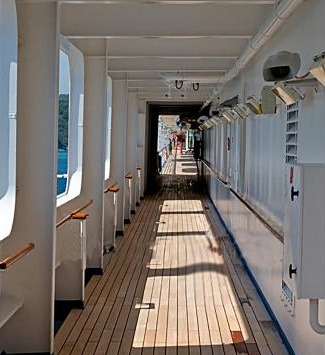
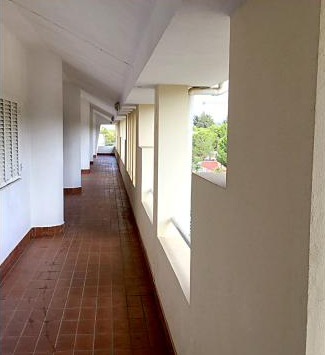
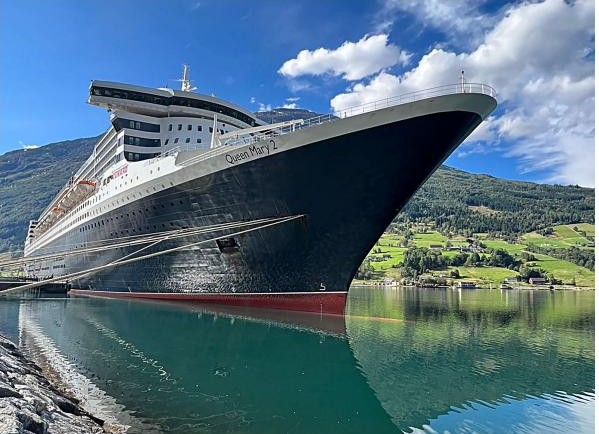
O convite dos arquitetos aos proprietários do terreno era muito simples: deixem-se embarcar neste navio de cruzeiro para uma aventura nos mares do Sul, que ideia mais «pós-modernista»! Tudo girava à volta do partir, como na poesia de Álvaro de Campos — para mais o grupo era administrado por gente dos petróleos, engenheiros com vivência africana, em Angola mas também no Brasil.
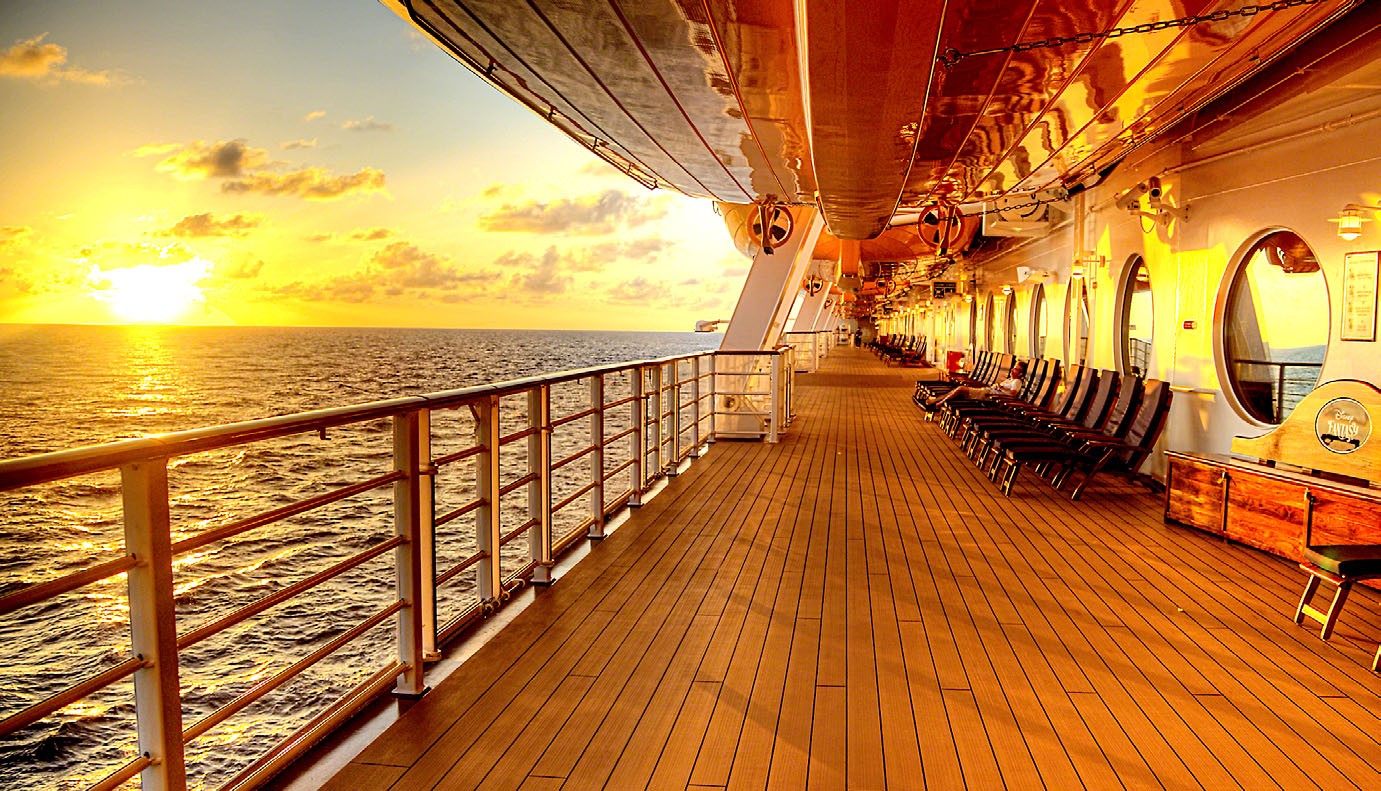
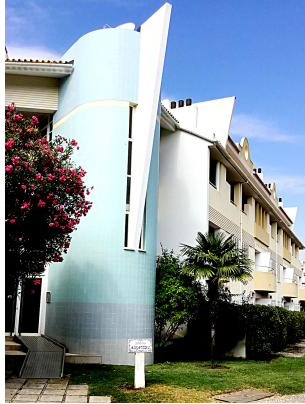
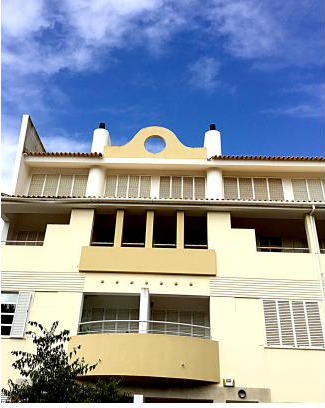
Não poderia ter sido mais feliz a associação e a inspiração dos arquitectos para a época: os decks invertidos nas varandas, a fachada da rua das Cássias como uma despedida no cais da saudade, com os pregos dos navios, as chaminés de metal — que contraste para as chaminés do Algarve! — e a sua ferrugem que os anos acentuam, a vela sugerida na entrada, as grandes vidraças ao lado dos azulejos azuis — o «pós-modernismo» necessitava deles para o cenário —, o prolongamento das fachadas como velas e até as tubagens da garagem a condizer na sua evidência cruel e real com todo o projecto.
Dentro do apartamento o varandim fazia-nos sentir como capitães na ponte de comando e as escotilhas também não podiam faltar. Os candeeiros, hoje a desfazerem-se com o tempo, a condizer. No acesso à garagem o vidro fosco a lembrar a água do mar.
Um Sonho ao Sul
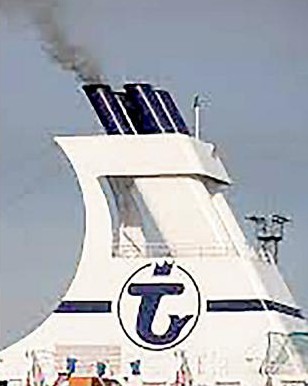
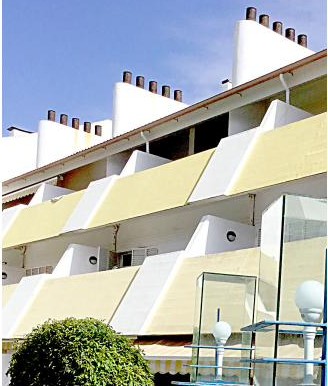
As chaminés de metal do navio e as chaminés do edifício
Um Sonho ao Sul! Que, ainda sem ligação por autoestrada com Lisboa, colocava Vilamoura suficientemente distante para nos dar a sensação de partir para férias e voltar melhor da viagem para as rotinas da vida, da escola, da empresa, dos hospitais e dos museus.
A ideia original gerou subprodutos — caso dos nossos vizinhos — e também gerou subprodutos de subprodutos — como outro edifício mais adiante do mesmo grupo de arquitectos — mas a originalidade da proposta acabou a definhar na incompreensão cultural do desejo geral de uma mera segunda habitação, sem ambição nem rasgo. Perdeu-se essa visão — sem dúvida de uma arquitectura datada, do seu tempo e da sua época, porém vanguardista e inovadora, condicionada por uma sociedade nos inícios da integração europeia — para se dar lugar aos novos abstracionismos do novo espírito de Vilamoura e de um Algarve vaidoso por se considerar permanentemente o palco legítimo das novas ideias de construção.
O nosso edifício, no entanto, foi o primeiro. O original, um monumento à sua época, um edifício com nostalgia, alma e ares passados, que mereceria ser classificado — como se espera que um dia acabará por ser — uma grande ideia na Vilamoura do século XX.
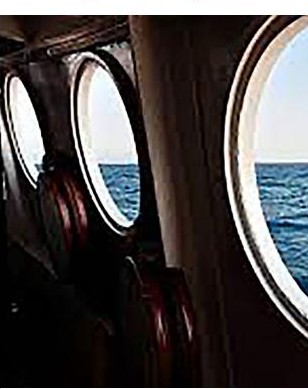
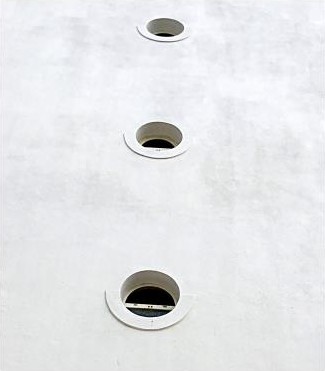
As vigias do navio e as escotilhas do edifício
Por isso, tudo o que puder ser feito para repor esta verdade é de valor. Tudo o que reduzir esta história ao vulgar critério do enquadramento paisagístico envolvente mais não é que uma conveniência triste, e seria alterar o propósito inicial com que foi sonhado.
Algarsul: Um Pesadelo ao Sul!
Só que com o passar dos anos chegou uma nova geração que se enamorou também desta arquitectura vanguardista na época — alguns fundadores foram entretanto infelizmente falecendo — e a história habitual do aproveitamento em exagero, em desprezo dos valores familiares dos fundadores, foi-se também instalando, por vezes irremediavelmente e, sem se poder conhecer como foi, vão assim desvirtuando o espírito original.
O abuso na busca de recursos financeiros e cambiais para o Turismo nacional deu, teria de dar, no delírio e na invasão da propriedade alheia. O convívio difícil entre o Condomínio e o Alojamento Local é um extraordinário exemplo disso. A propriedade privada — o Condomínio — permite hoje a hospedagem rápida e transitória de um grande fluxo de visitantes que a hotelaria tradicional não consegue dar devido à sazonalidade. Um novo aeroporto em Lisboa vai aumentar ainda mais essa pressão.
O Estado e as Autarquias passaram a dar acesso — sem regulamentar devidamente a lei do Condomínio — a terceiros, não definindo regras de partilha de custos, ficando como recebedor dos impostos turísticos mas sem ter em conta os prejuízos dos outros residentes, sem ter em conta o desgaste psíquico que ultrapassa a hospitalidade para se converter em invasão, gerando dinâmicas por entropia, sobrepondo o interesse nacional do aumento das reservas cambiais, do saldo da Balança das Transacções Correntes, ao equilíbrio de uma vida gerida como «pater familias», que foi a lei sagrada deste legado de pais para filhos.
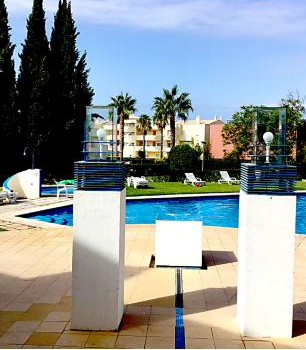
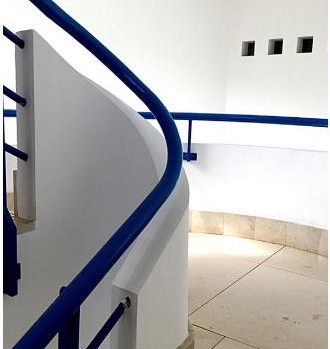
A piscina e o núcleo de escadas
Todo o espírito original tem sido avassalado por dispositivos legais totalmente indiferentes a direitos que adquirimos e que, na época, eram os únicos a considerar. O condomínio é hoje uma aventura partilhada — no sentido geral, sem querer aqui desconsiderar quem legitimamente de entre nós utiliza o Alojamento Local — entre os proprietários e os utentes temporários, a que os donos nada podem fazer para corrigir.
Esta invasão coloca-nos diariamente desafios e também nos coloca diante de confrontos e ameaças que não queríamos e sempre tentámos evitar. Observe-se a sujidade — eufemismo de porcaria, desleixo e abandono — da cidade de Lisboa actual, e de como essa onda chegará até ao Algarve. Reparem no ambiente à volta dos nossos contentores do lixo na Rua das Cássias, como evidência de uma pré-saturação, de águas inquinadas, óleos vertidos ao mar por limpeza de motores em pleno verão. Reparem no ruído ensurdecedor da Marina dominada por bares e discotecas, em contraste com aquele sonho que fundou Vilamoura e que conheci pessoalmente na serenidade do Eng. João Meireles, sogro do fundador Cupertino de Miranda.
Mas o mais grave é ainda a nossa incapacidade — da nossa pedagogia persuasiva através do Regulamento do Condomínio para que este seja respeitado — em conseguir atempadamente proteger os direitos e a tranquilidade de todos, mesmo a sua própria integridade física. A brutalidade impera, reina, a coberto de um país cujas leis são ditadas por 20% da população geral.
Todos os anos se vêem repetir as histórias — as muitas histórias — que voltam sempre e sempre.
Para nós, apartamento B3, já não se resolve este problema muito grave — gravíssimo — com o recurso a mais regras pelo espaço do Condomínio.
O fundamental a fazer está para além das obras, mas também as inclui. O fundamental está em nos protegermos ativamente — as nossas famílias e os valores sociais que tentamos integrar nela — recorrendo a uma segurança de 10 horas entre 15 de Junho e 15 de Setembro, que controle quem entra e quem sai, para onde quer ir e com que direito o pretende fazer. Só assim o investimento dos nossos pais, o legado da família, será protegido, e as nossas férias não uma aleatoriedade ao sabor de visitantes com tamanha força e capacidade de se imporem, mas um ambiente de reencontro, união e civilidade.
Os custos dos melhoramentos necessários em obras são uma «petitesse» diante deste problema. Vamos deixar de assobiar para o lado e vamos deixar de empurrar o problema com a barriga para o ano seguinte. É muito importante acabar com esta inveja destruidora dos novos valores e da nossa propriedade mas, sobretudo, impedir de uma vez por todas — pois a nossa hospitalidade, reflectida em dar acesso livre ao nosso Condomínio, tem o limite da nossa própria integridade — para que o nosso edifício seja de novo, como merece,
«Um Sonho ao Sul» e não um «Pesadelo ao Sul».
A Southern Cruise: 30 Years!
More than 30 years have passed since I attended the meetings at the Dante Macedo / José Afonso Atelier in Lisbon with the founders of our Algarsul building in Vilamoura, yet I still remember today the enthusiasm and creativity that accompanied us, and the ever-dazzled, mobilising and committed spirit of Architect Dante de Macedo regarding his architectural proposal for this building. Every moment, every detail, every inspiration was always lived with true intensity.
A group of friends more accustomed to the rigours of economics and geology than to the exuberant creativity of architects — which, moreover, was always costly and unpredictable — were the new helmsmen of this voyage. A group more zealous about the criteria of sound management and economy than about giving the architects' wings a chance. And so the struggle between the artist, with his original ideas, and the investors, always concerned with budgets, dragged on. Unique moments.
These were still very intense times for «post-modernist» architecture in Lisbon, with controversies celebrated in the press around the famous architect Tomás Taveira — author of the Amoreiras Towers (a lady with knights in her castle), of the BNU building (of the papyri and the guitar, on Av. de Berna), or of the «railings» building (IADE, in Santos) — which reflected a story, an architectural narrative based on some cultural aspect of our history, but always with grandeur, much grandeur.
Our building was the first to be built on this site — sector 5 of Vilamoura — and the architects' proposal was clear: to design an innovation, a break with the typical conventionalism — yet atypical of a «persiflage» of Portuguese culture — usually designed for urban bourgeois from all over the world in search of local typicality: the little donkey, the lace-like, inspired chimneys, the Porches ceramics and their local colour.
This was the great opportunity for the two architects to present a different proposal in an agricultural space — Vilamoura was exactly that — with no architectural landmark other than the design around the Marina.
The architects' invitation to the landowners was very simple: let yourselves embark on this cruise ship for an adventure in the Southern seas — what a «post-modernist» idea! Everything revolved around departure, as in the poetry of Álvaro de Campos — all the more so as the group was run by oil people, engineers with African experience, in Angola but also in Brazil.
The architects' association and inspiration for the era could not have been happier: the inverted decks on the balconies, the Rua das Cássias façade like a farewell on the quay of longing, with the ships' rivets, the metal chimneys — what a contrast to the chimneys of the Algarve! — and their rust accentuated by the years, the sail suggested at the entrance, the great windows beside the blue tiles — «post-modernism» needed them for the setting —, the extension of the façades like sails, and even the garage piping to match, in its cruel and real evidence throughout the whole project.
Inside the apartment, the balcony rail made us feel like captains on the command bridge, and the hatches could not be missing either. The light fittings, today wearing away with time, to match. At the garage entrance, the frosted glass recalling the water of the sea.
A Dream in the South
The ship's metal funnels and the building's chimneys
A Dream in the South! Which, still without a motorway link to Lisbon, placed Vilamoura far enough away to give us the feeling of leaving on holiday and returning the better for the journey to the routines of life — of school, of the company, of hospitals and museums.
The original idea generated by-products — as in the case of our neighbours — and also generated by-products of by-products — such as another building further along by the same group of architects — but the originality of the proposal ended up withering in the cultural incomprehension of the general desire for a mere second home, without ambition or flair. That vision was lost — undoubtedly an architecture dated, of its time and its era, yet avant-garde and innovative, conditioned by a society at the beginning of European integration — giving way to the new abstractionisms of the new spirit of Vilamoura and of an Algarve vain enough to consider itself permanently the legitimate stage for new ideas of construction.
Our building, however, was the first. The original, a monument to its era, a building with nostalgia, soul and airs of times past, which would deserve to be listed — as one hopes it will one day be — a great idea in the Vilamoura of the twentieth century.
The ship's portholes and the building's hatches
Therefore, everything that can be done to restore this truth is of value. Anything that reduces this story to the vulgar criterion of the surrounding landscape setting is nothing but a sad convenience, and would alter the original purpose with which it was dreamed.
Algarsul: A Nightmare in the South!
But as the years passed, a new generation arrived that also fell in love with this then-avant-garde architecture — some founders had meanwhile sadly passed away — and the usual story of excessive exploitation, in contempt of the founders' family values, also set in, sometimes irremediably and, without being able to know how it happened, thus distorting the original spirit.
The abuse in the search for financial and foreign-exchange resources for national Tourism led, as it had to, to delirium and to the invasion of others' property. The difficult coexistence between the Condominium and Local Accommodation is an extraordinary example of this. Private property — the Condominium — today allows the rapid and transient lodging of a large flow of visitors that traditional hotels cannot provide due to seasonality. A new airport in Lisbon will increase this pressure even further.
The State and the Municipalities began to grant access — without properly regulating condominium law — to third parties, defining no rules for sharing costs, acting as the recipient of tourist taxes but without considering the harm to other residents, without considering the psychological wear that goes beyond hospitality to become invasion, generating dynamics through entropy, placing the national interest of increasing foreign-exchange reserves and the balance of the current account above the equilibrium of a life managed as «pater familias», which was the sacred law of this legacy from parents to children.
The pool and the staircase core
The entire original spirit has been overwhelmed by legal mechanisms wholly indifferent to rights we acquired and which, at the time, were the only ones to consider. The condominium is today a shared adventure — in the general sense, without wishing to disregard those among us who legitimately use Local Accommodation — between the owners and the temporary users, about which the owners can do nothing to correct.
This invasion presents us with daily challenges and also confronts us with clashes and threats we never wanted and always tried to avoid. Observe the filth — a euphemism for squalor, neglect and abandonment — of present-day Lisbon, and how that wave will reach the Algarve. Look at the environment around our rubbish containers on Rua das Cássias, as evidence of a pre-saturation, of polluted waters, of oils poured into the sea from cleaning engines in the middle of summer. Note the deafening noise of the Marina dominated by bars and discos, in contrast to that dream which founded Vilamoura, and which I knew personally in the serenity of Eng. João Meireles, father-in-law of the founder Cupertino de Miranda.
But most serious of all is still our inability — of our persuasive pedagogy through the Condominium Regulations so that they may be respected — to protect, in good time, the rights and tranquillity of everyone, even their own physical integrity. Brutality prevails, reigns, under cover of a country whose laws are dictated by 20% of the general population.
Every year the stories are seen to repeat — the many stories — that come back again and again.
For us, apartment B3, this very serious — most serious — problem can no longer be solved by resorting to more rules within the Condominium.
What is essential to do lies beyond the building works, yet includes them too. What is essential is to protect ourselves actively — our families and the social values we try to integrate into it — by employing 10 hours of security between 15 June and 15 September, controlling who enters and who leaves, where they wish to go and by what right they intend to do so. Only thus will the investment of our parents, the family legacy, be protected, and our holidays will not be a randomness at the mercy of visitors with such force and capacity to impose themselves, but an environment of reunion, union and civility.
The costs of the necessary improvement works are a «petitesse» in the face of this problem. Let us stop looking the other way and stop pushing the problem off to the following year. It is very important to put an end to this destructive envy of the new values and of our property but, above all, to prevent once and for all — for our hospitality, reflected in granting free access to our Condominium, has the limit of our own integrity — so that our building may once again be, as it deserves,
"A Dream in the South" and not a "Nightmare in the South".